How China can save African elephants







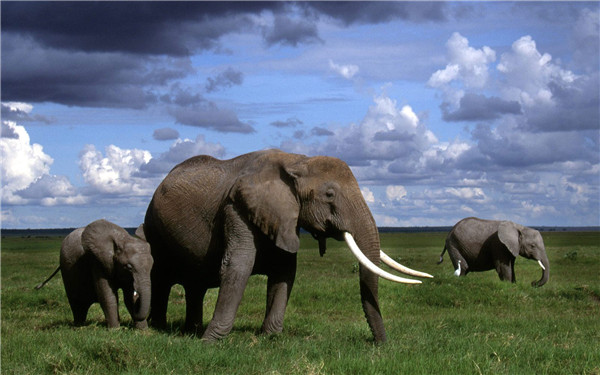
Hardened poachers have killed so many elephants that they can often imitate the screams the animals make when speared. They can tell you how other elephants howl in distress when they see one of their own felled. They know that, to extract a whole tusk, they have to hack off the front of an elephant's face with machetes, axes or chainsaws. Calves have been known to circle the disfigured body of their mother for days in mourning, even until their own death.
Behind the savagery visited on these magnificent, highly sensitive and intelligent creatures lies greed and a desire for shiny objects-sometimes rooted in trend, sometimes tradition. It began with the early white settlers, with ivory becoming one of the great prizes of the colonial era. In recent years, however, demand has skyrocketed to match the rise in global consumer wealth, and poaching has reached an industrial scale.
Over the past decade, poachers have slaughtered more than 100,000 African elephants for their ivory-more than one quarter of the population. Many of the tusks now end up in China and other parts of Asia, where they are turned into trinkets and marketed as status symbols.
Elephants are not the only victims. The illegal trade has generated enormous profits that feed corruption and finance criminal cartels, stoking instability around the world.
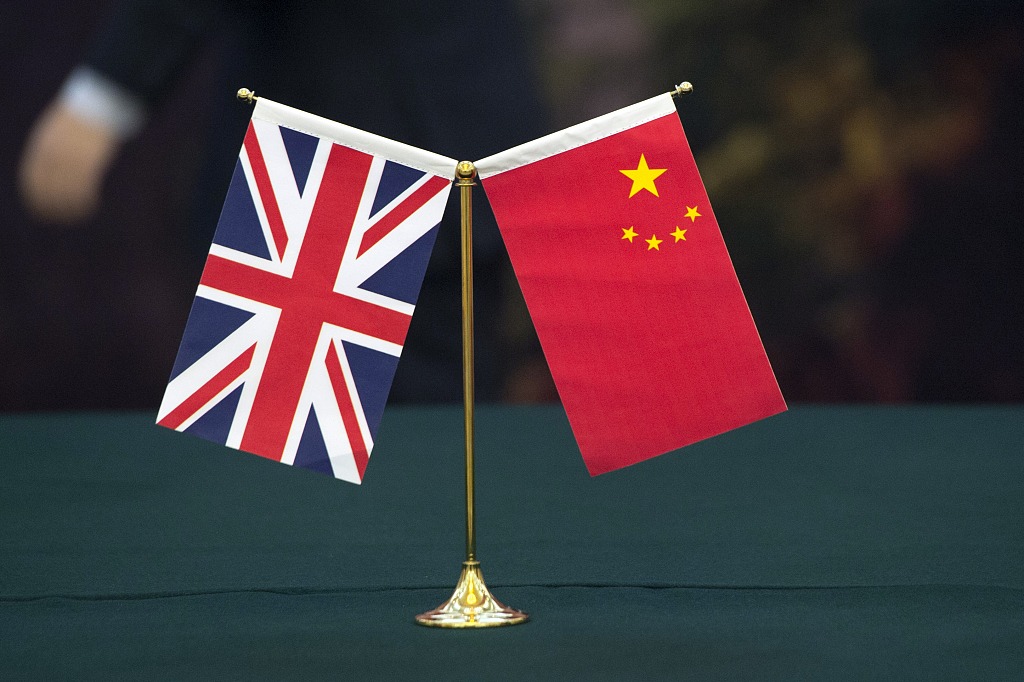
That is why China's decision to ban the sale of ivory nationally, to come in line with the international ban that has been in place since 1989, deserves huge praise. The government ban will shut down the legal trade in ivory, establishing a new narrative for China's worldview: as a leader for environmental action.
Surveys in China's three largest cities have found that 95 percent of the people support the ban because they believe it would protect African elephants. Only a few years ago, similar surveys found that average people did not even realize that an elephant had to die to obtain ivory-as the word for ivory in Chinese means tooth-so many people thought it was obtained without causing any harm to the elephants.
That the ban has such widespread support is a major victory. The fight to end the slaughter, however, is far from over. While the ban sends a strong message that ivory products are now taboo, the legal trade is only a very small part of the problem.
The bigger battle lies in tackling the far larger illegal trade. Reducing demand will be a key weapon in this fight but changing minds takes years of hard work-time that the world's dwindling population of elephants may not have. It is essential that we also come down hard on the supply chains. This means tackling the booming internet trade, strengthening law enforcement, smashing the criminal cartels running the illegal operations and disrupting the tax havens where they stash their money. Much of this will require improved security cooperation between China and countries in Africa where the slaughter, and initial trafficking, takes place.
China's influence in Africa is growing, and with the Belt and Road Initiative, it is certain to grow further still. More than 1 million Chinese expatriates live in Africa. Chinese enterprises have a strong foothold in most of Africa's 54 countries. China's reputation on the continent is also broadly positive. In attitude surveys, about 70 percent of Africans said they viewed the country positively.
Better intelligence sharing with African countries could seriously disrupt the smuggling rackets and break the cartels. China could also strengthen anti-poaching teams-the embattled first line of defence against poachers-and support institutions that tackle corruption, including police and customs officials at African ports. Africa also needs expertise in eco-tourism and alternative livelihood programs that undermine the financial incentives for poaching.
Chinese businesses can get involved. On August 7 I was in South Africa for the African Ranger Awards Ceremony, where Jack Ma, co-founder of Chinese e-commerce giant Alibaba, pledged his support for wildlife conservation. He said rangers should not only be given monetary support, but also the resources and technology they need to carry out their dangerous work. That's a great example of the positive role Chinese businesses can play.
Such steps could well see China go down in history as the savior of African elephants and other precious species-something that would be an incredible legacy.
At home, China has taken a series of giant strides toward addressing some of the country's toughest environmental challenges. It has installed the largest air-quality monitoring system in the world to combat the toxic smog that shrouds its cities. It is designing better, more energy-efficient cities and investing in cleaner forms of transport. It has pumped tens of billions of dollars into renewable energy-more than any other country-proving strong economic growth does not require high emissions. The transformation is incredible, and one which other countries need to emulate if the world is to reduce the use of resources while continuing to lift people out of poverty.
These advances are part of China's ambitious vision to build what it calls an "ecological civilization"-an ambition that harkens back to its ancient philosophy of harmony with nature. The modern-day plan is to create a resource-efficient, environmentally friendly society that recognizes the environment for what it is: the bedrock of our economies and our way of life, and therefore fundamental to our survival.
By sharing its only phenomenal development journey, China can help Africa leapfrog the rest of the world. That means helping African countries steer a more considered course to industrialization. China, after all, has suffered more from pollution than most nations, and has done more to tackle it. More broadly, it means that the old ways of development accompanied by environmental destruction can be broken.
Early human history often follows a sad pattern. Humans arrive in new lands and learn how to hunt the local wildlife for food. Large, plodding megafauna-such as North America's mastodons and giant beavers, and Australia's two-ton wombats and marsupial lions-tend to disappear first. The African elephant, which has roamed the earth for 60 million years, has so far bucked this trend.
Whether history repeats itself and humans wipe out yet another of the world's big beasts will depend greatly on how well ecological civilization is married to its development.
The author is executive director of the UN Environment Programme. The author contributed this article to China Watch, a think tank powered by China Daily.