Reform of the world trading system: Why and how?







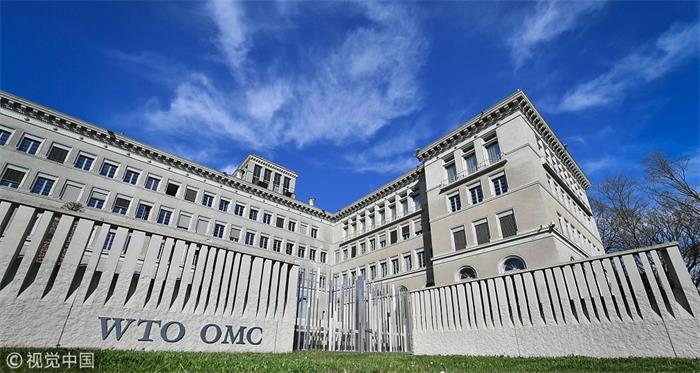
The world is threatened by tariff hikes and prospects of a trade war, accompanied by improvised suggestions for abrupt changes in the international trading system. This is not only frightening but also paradoxical in light of the fairly consistent and positive developments in the global trade system over the past decades.
Let us recall, in 1948 the United States of America rejected the Havana Charter for the establishment of the World Trade Organization with the argument that such an organization would impede free trade. Instead, the General Agreement on Tariffs and Trade (GATT) was established as a negotiating mechanism that allowed a gradual reduction and removal of barriers to trade.
Over decades, tariffs on traded goods were reduced dramatically and quantitative restrictions were largely removed. Non-tariff barriers were addressed through a number of agreements adopted in the Tokyo Round of trade negotiations in the 1970s. Subsequently, a certain level of liberalization of trade in services was achieved during the Uruguay Round of trade negotiations in the 1980s. And finally, in 1994 the World Trade Organization was established. While stalling the Doha Round of trade negotiations a decade ago cast some doubt on the global trading system, the WTO is still a remarkable global success.
An important part of that success is reflected in the WTO’s dispute settlement procedures. Over the past decades they have developed into a system that is both flexible and effective, both rules-based and results-oriented. Despite occasional allegations to the contrary, the US and the EU have generally been successful in the dispute settlement processes they had initiated before the WTO.
In light of this historic and fairly consistent progression, the introduction of high tariffs on certain goods and the talk of a global trade war sound both anachronistic and frightening. Isn’t the existing set of agreed instruments adequate enough to address the allegedly unfair trade practices?
However, it is not hard to discover that the real threat comes not from the trade itself, but from a combination of geopolitical tensions and restrictive measures in trade. Deficits in the trade in goods of the US cannot be a sufficient reason for a trade war. The balance of trade in goods is part of the larger picture of economic cooperation that is heavily influenced by trade in services and by the continued domination of the US dollar as the global reserve currency. And there also seems to be some scope for future adjustments in trading in services to include licensing fees for the use of intellectual property. Expansion of trade, including trade in services, is a better option than restrictions to the trade in goods, to say nothing about trade wars.
If the WTO is considered too rigid for effective management of the global trading system, then it should be improved. Given the entire history of the WTO, this would be the most natural thing to do and negotiations are the best way forward.
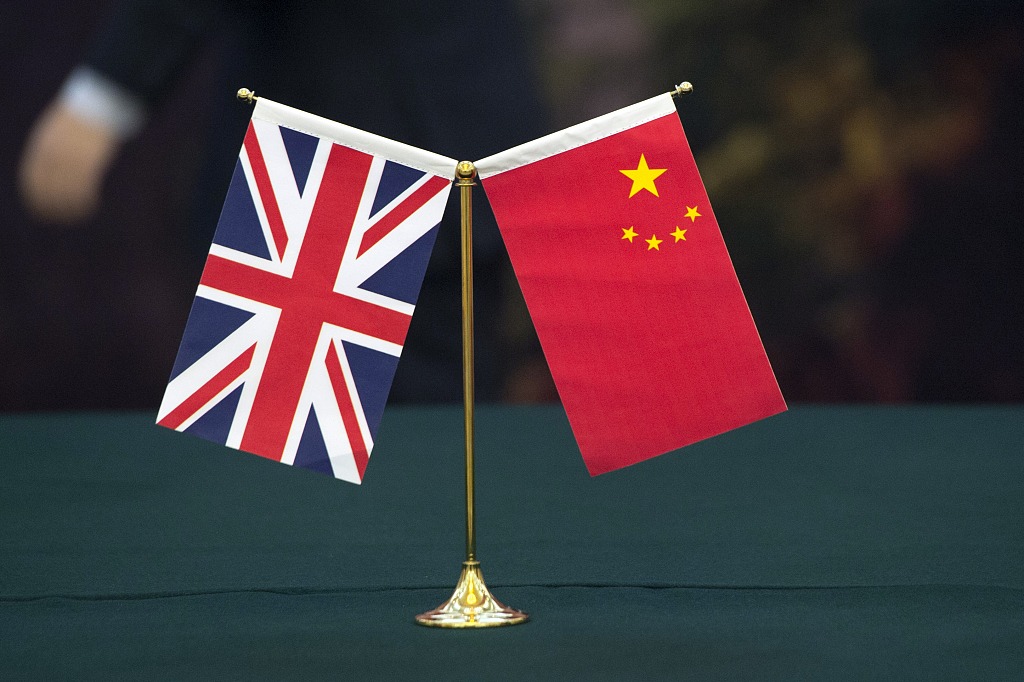
There are some signs of hope. In the joint statement of the 20th EU-China Summit on July 16, a joint working group on WTO reform, “chaired at vice-ministerial level”, was established. It seems that China and the EU take WTO reform as the way forward.
Ten days later, the heads of state and government of the BRICS countries, meeting at their 10th Summit in Johannesburg, pledged constructive engagement of the BRICS countries “in further developing the current legal framework for multilateral trading within the WTO, taking into consideration the concerns of all WTO members, including in particular developing countries”.
Initiatives for the improvement and reform of the WTO should not be misunderstood as an easy way out. They would have to provide space for the legitimate interests of all. Globalization of the past decades has brought immense benefits to the world. However, it has also contributed to serious problems that need to be addressed. Many of the fundamental problems are not only economic, but largely social and political. Income inequality and growing inequality in wealth, the staggering unemployment in some parts of the world, and effects of climate change are among the most obvious examples.
Naturally, not all problems can be addressed directly by means of international economic cooperation and trade. However, in a globalized world the international trading system has a big impact on societies and has to help in the search for solutions.
This realization is not entirely new. It implies the need to expand the trade negotiations agenda into areas that have not been addressed yet or have not been addressed successfully. In addition to familiar questions such as state subsidies and intellectual property, future negotiations might have to revisit the question of the “social clause” linking core labor standards and trade. The idea of “further developing” the current legal framework within the WTO, as proposed by the recent BRICS Summit, will require an ambitious agenda.
Danilo Türk was president of the Republic of Slovenia from 2007 to 2012. He is currently a non-resident senior fellow of the Chongyang Institute for Financial Studies, Renmin University of China.