US accusations show it needs a reality check







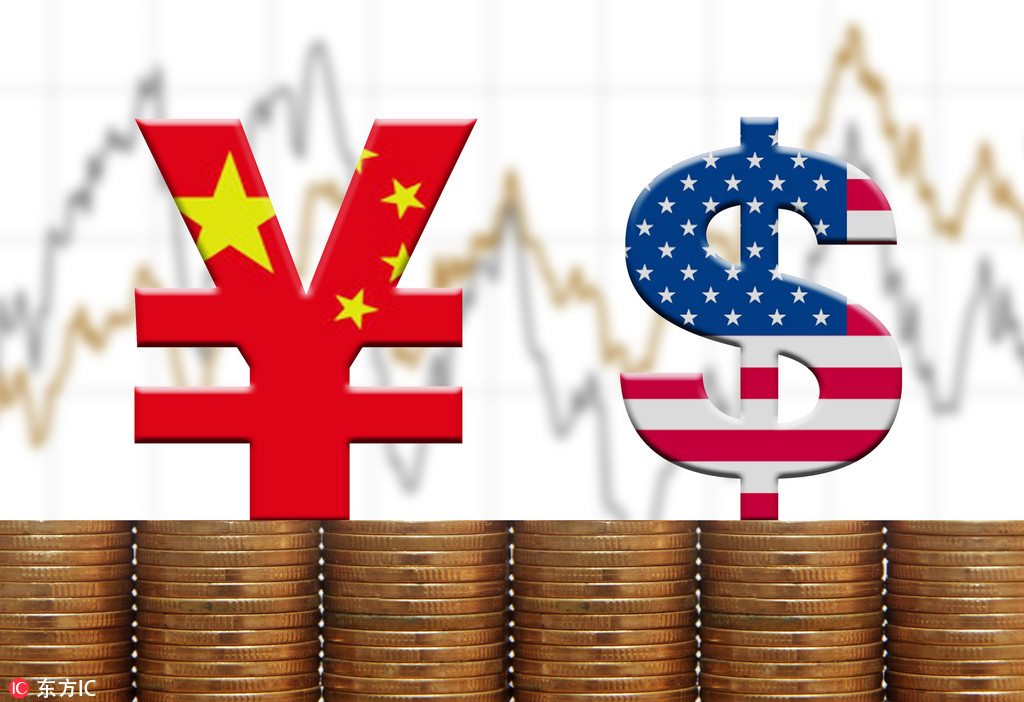
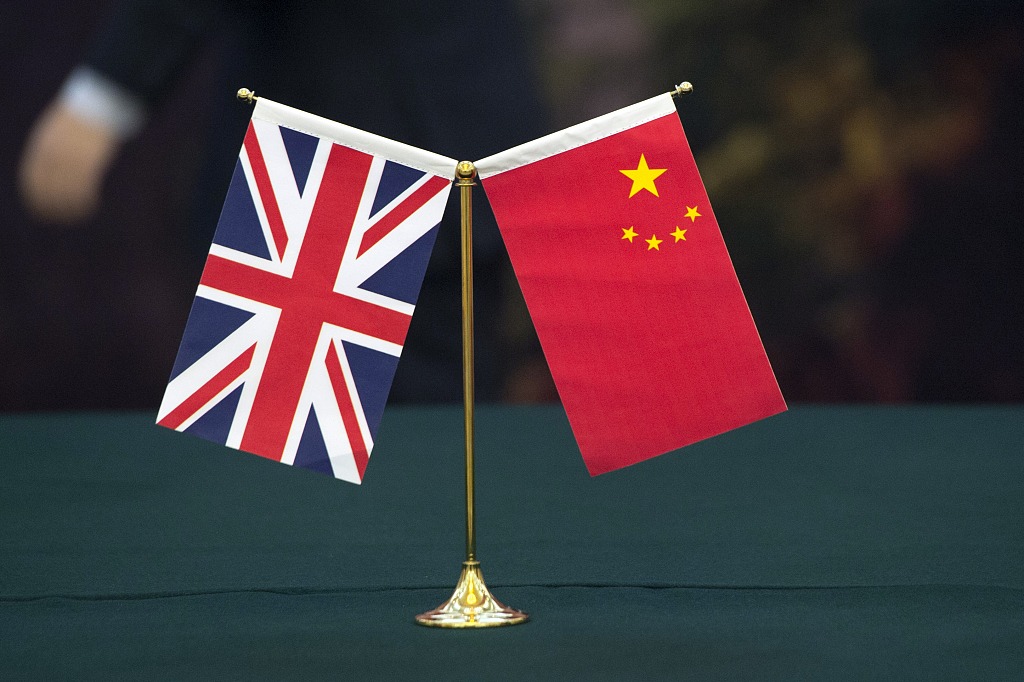
Accusing China of "economic aggression", the Donald Trump administration has imposed additional tariffs on large percentage of Chinese imports and threatened to extend them to cover almost every product China exports to the United States. To justify its actions, the Trump administration also accuses China of having used aggressive economic policies to become the world's second-largest economy, which again is totally baseless.
China's development is not a threat to the world, as the US claims. Instead, thanks to its economic development, China has been making greater contributions to global growth and economic recovery.
China has always been a follower, protector and maker of international rules. It has abided by all World Trade Organization rules after joining the world trade body in 2001. It has also signed 16 free trade agreements and become a member of many international and regional organizations, including the Asia-Pacific Economic Cooperation and the Group of 20.
Aside from reducing tariffs on many products and eliminating trade barriers in many areas, China has also been promoting free trade. By 2010 China had fulfilled its commitment to lower tariffs on goods when it joined the WTO, cutting overall tariffs from 15.3 percent in 2001 to 9.8 percent in 2010-reducing them further even after 2010. And by January 2005, it had lifted all non-tariff trade barriers such as import quotas and import licenses.
By March this year, China had cancelled administrative review and approval by 44 percent compared with March 2013, and completely reformed the business registration system.
China's new foreign investment negative list, which came into effect in July, has largely opened up the service sector and almost completely opened up the manufacturing sector. And it is expected to give greater access to foreign investment in the agriculture, energy and resources sectors.
Besides, China has also strengthened its legal system and law enforcement to protect intellectual property.
In recent years, it has revised the Trademark Law, and strengthened it by introducing a punitive compensation system, while revising the Anti-Unfair Competition Law and expediting the process for revising the Patent Law and Copyright Law.
It has re-established the National Intellectual Property Bureau, too, and emphasized that the judicial system will play the leading role in intellectual property protection. And to that effect, it has established three intellectual property courts in Beijing, Shanghai and Guangzhou, while cracking down on online piracy to protect patent rights.
Since 2001, the royalties China has paid for using foreign patents increased on average 17 percent a year to reach $28.6 billion in 2017.
In fact, last year about 1.38 million patent applications were filed from China, with 10 percent of the applicants being foreign organizations and individuals.
Moreover, since 2002 China's average contribution to the global economy has been about 30 percent, more than the developed countries' combined contribution. It is thus clear that China has been playing a key role in driving global economic growth and promoting free trade.
Also, from 2001 to 2017, China's average imports of goods grew by about 13.5 percent a year, almost twice as much as the global average of 6.9 percent. And since 2009 China has been the largest export market for less-developed countries, accounting for about 20 percent of their exports. As a result, China has become the world's second-largest importer.
And in order to further expand its imports and boost global trade recovery, Beijing will hold China International Import Exhibition in November.
To top it all, China's economy is expected to grow at an average of 6.5 percent a year until at least 2020. Which means China will continue to raise the global economic indicators in the future and eliminate the global economic risks.
Even after all this, if the US believes in what it says about China and its economic policy and performance, it seriously needs a reality check.
The author is a researcher at the International Trade and Economic Cooperation Institute of the Ministry of Commerce.