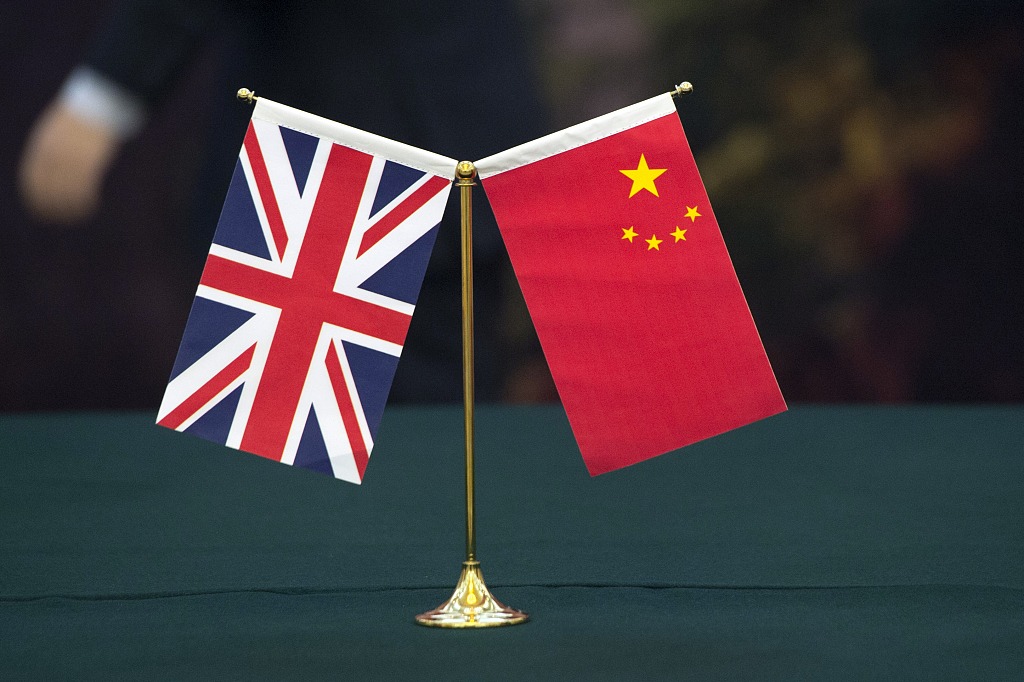
Trump strategy heightens tensions







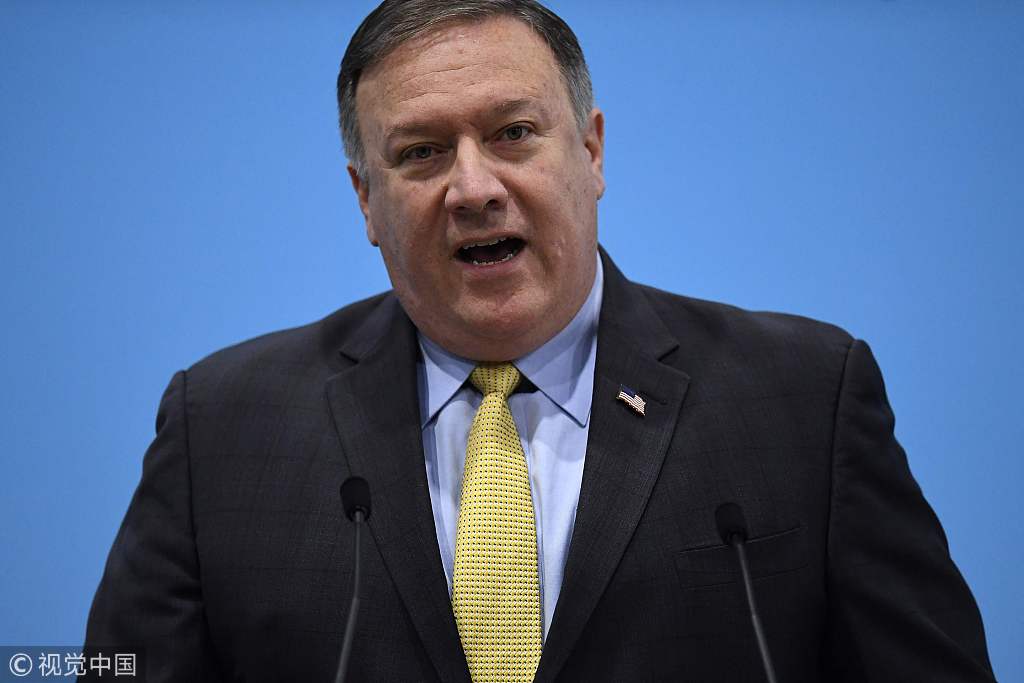
Editor's note: After his announcement on July 30 that $113 million would be invested in the "Indo-Pacific" region to develop technology and infrastructure, US Secretary of State Mike Pompeo on Saturday pledged to provide nearly $300 million in new security funding for Southeast Asia. Are these moves concrete steps to implement US President Donald Trump's "Indo-Pacific" strategy, and what will be their impact on the regional order? Three experts share their views on the issue with China Daily's Liu Jianna. Excerpts follow:
It's all talk for the time being
Jin Canrong, a professor at and the associate dean of the School of International Studies, Renmin University of China
The US' Indo-Pacific strategy is aimed at containing China's growing influence in the region. The Trump administration is using this strategy, which is effectively a buildup of the Barack Obama administration's rebalancing to Asia-Pacific policy, to woo Southeast and South Asian countries, mainly India, Indonesia and Vietnam, into its fold.
The rebalancing to Asia-Pacific policy, which focuses on security and overlooks the developing countries' need to develop their economies first, was called into question soon after being launched. Which perhaps prompted the United States to introduce its Indo-Pacific strategy, which, according to Pompeo and some other US officials, attaches much importance to the region's economic development.
In particular, the US' plan to invest in infrastructure is clearly aimed at checking the rising influence of the China-proposed Belt and Road Initiative. That the US has resorted to strategic competition with China bodes ill for the regional order and development.
However, the fact that some countries, including India, are still hesitant to fully embrace the US' Indo-Pacific strategy due to their respective concerns and misgivings, and given that the $113 million pledged by Pompeo for regional technology and infrastructure development is too small to fulfill the purpose make the strategy all hat and no cattle.
The slowdown, even some obstacles the Belt and Road Initiative has faced recently, for instance, the halting of four projects in Malaysia and the potential scaling back of a Chinese-invested port in Myanmar, are not beyond expectations, as differences in opinions and disagreements can arise in any kind of cooperation. But such factors will not change the initiative, as countries along the two routes need to develop and China can provide them with the much-needed investment and expertise for infrastructure development.
Some Western officials, scholars and media have criticized and labeled accusations against the Belt and Road Initiative, the most outrageous being the claim that China is pushing the countries along the Belt and Road toward a debt crisis. The truth is, about 90 percent of the Chinese investment in the Belt and Road Initiative is commercial loans strictly in accordance with international norms with only a small percentage being low-interest government loans and assistance loans. It is therefore extremely irresponsible of the West to level false charges against China, especially because Western economies in general refuse to offer loans to developing countries in the first place.