US leaving Iran nuclear deal a reckless act







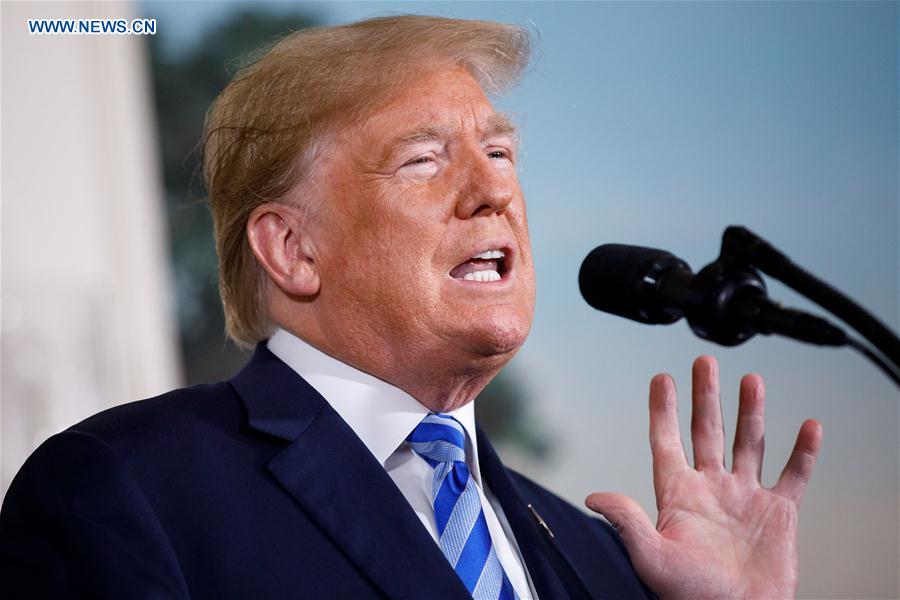
US President Donald Trump pulled out of the Iran nuclear deal on Tuesday and re-imposed sanctions on Teheran. Trump’s unilateral action and some other developments suggest the Iran deal, formally known as the Joint Comprehensive Plan of Action and signed by the Barack Obama administration in 2015, has been all but scrapped. The deal’s future became uncertain also because the seven countries (Iran and the US, Britain, France, Russia, China and Germany) that signed it had become increasingly divided.
Previously, French President Emmanuel Macron and German Chancellor Angela Merkel failed to persuade Trump to not withdraw the nuclear agreement and to desist from re-imposing sanctions on Iran. Macron even echoed Trump’s appeal to work out a new nuclear deal, which would have included Iran’s long-range missile program, during his last visit to the United States. Apparently, Macron was trying to appease the Trump administration to consolidate its alliance with the US while averting the dismantling of the non-proliferation regime at the expense of Iran’s interests.
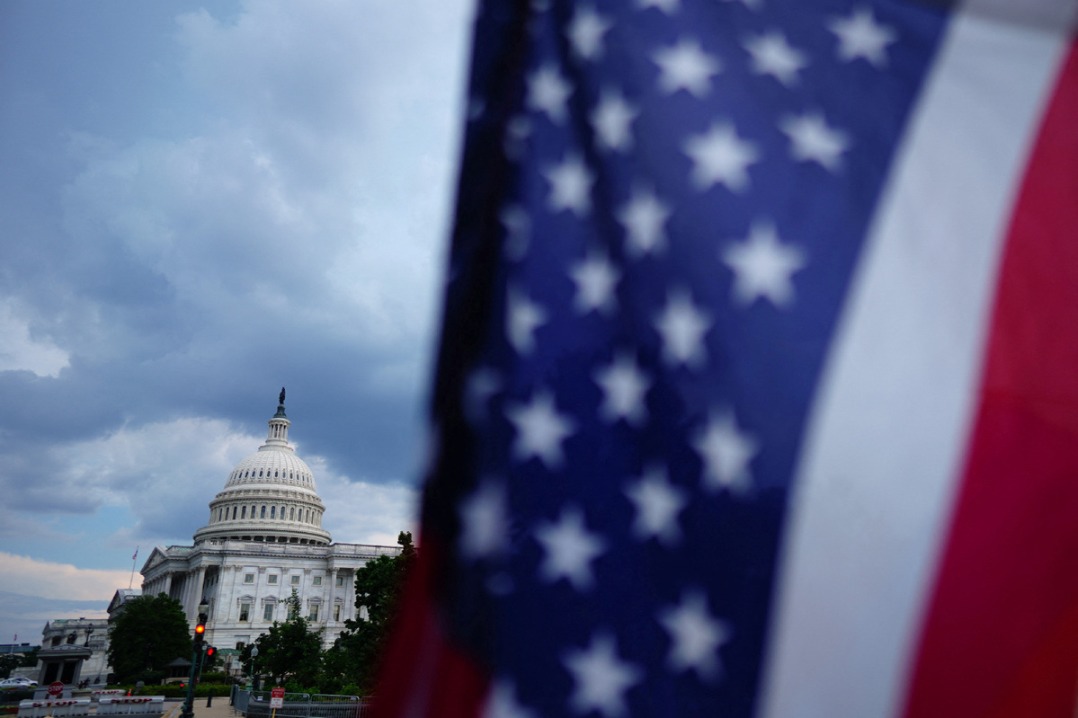
Trump considered the Iran nuclear deal a bad bargain for the US when he began campaigning for presidential campaign and had vowed to pull out from the deal once he was elected US president. To be fair, the US Congress had not approved the deal, which meant its legal status was weaker than an agreement or communiqué in Americans’ eyes. This fact was being used as an excuse by conservatives in both the Democratic and Republican parties to censure Iran at regular intervals, and by Trump to threaten to scrap the deal.
Israel and Saudi Arabia, which are traditional US allies in the Middle East, had been voicing their worries over Iran’s so-called westward expansion and rising influence in the region. The two countries have apparently aligned to suppress Iran, and even attempted to sway Trump’s Middle East policies by, among other things, purchasing US arms and military equipment in bulk and lobbying the pro-Israel politicians in Washington.
In addition, Trump also plans to pull out its “forces” from Syria, which will create more maneuvering space for Russia and Iran. Thus containing Iran’s projection of power and ensuring the security of its allies in the Middle East by negotiating new terms have become a priority for Trump.
Despite the International Atomic Energy Agency’s reiteration that Iran has been abiding by the nuclear deal and strong objections from the other five countries that negotiated and inked the Iran nuclear deal in 2015, Trump had managed to split the permanent members of the UN Security Council and put the future of the deal in danger.
From the point of maintaining trans-Atlantic relationships on a larger scale, the Trump administration moved to kill the Iran nuclear deal regardless of the opposition of China, Russia, Britain and Germany. Moreover, China and Russia alone cannot save the deal if the US, Britain, France and Germany reach a consensus to scrap it.
Iran faces a tough choice — either to confront the Trump administration and suffer from economic, trade and financial isolation, or give in to the US and abandon its massive investment and compromise geographical advantage, while significantly reducing its strategic combat and deterrence capabilities. Either way, Iran is staring at disaster.
On the other hand, Iran has been as uncompromising as Trump. Earlier, Iranian President Hassan Rouhani said: “If America leaves the nuclear deal, this will entail historic regret for it.” Teheran has even threatened to promptly restart the uranium enrichment program once the US pulls out of the multiparty nuclear deal.
Now that the US has withdrawn from the deal decades of hard work by the international community could go to waste, and the non-proliferation regime, along with the Treaty on the Non-Proliferation of Nuclear Weapons, might be disabled. And a new round of nuclear and conventional arms race could follow, putting the hard-won transient peace in the Middle East at stake.
The author is a professor at Beijing Foreign Studies University.