Development of China's Public Health as an Essential Element of Human Rights







VII. Active Participation in Global Health Governance and International Medical Assistance
China advocates, promotes and carries out international medical and health cooperation. It is firmly committed to realizing the Program of Action of the International Conference on Population and Development, and implementing the United Nations 2030 Agenda for Sustainable Development, especially sustainable development goals relating to health. China actively provides medical aid to other countries, and promptly conducts global emergency responses. It earnestly implements international health conventions and shoulders its international humanitarian responsibilities.
Taking part in the formulation of international medical and health rules. China was one of the first countries in the world to sign and approve the Constitution of the World Health Organization. It has joined the Single Convention on Narcotic Drugs and the Convention on Psychotropic Substances. China has participated in the making of a series of international treaties and declarations, including the Declaration of Alma-Ata, and supported the World Declaration on the Survival, Protection and Development of Children. At the 69th World Health Assembly held in 2016, China raised and promoted the adoption of a resolution to "promote innovation and access to quality, safe, efficacious and affordable medicines for children," getting positive responses from all sides.
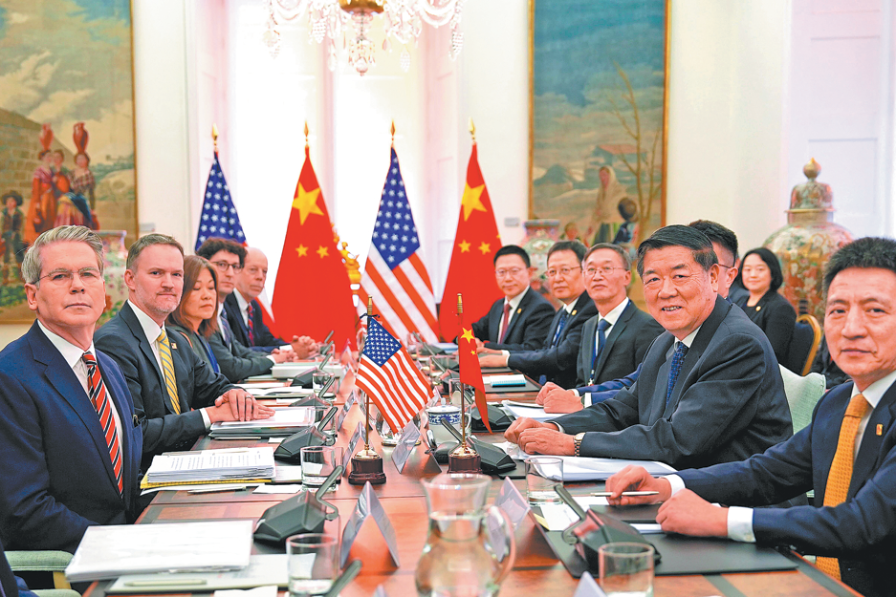
Carrying out in-depth cooperation with the WHO. In 2016, the China-WHO Country Cooperation Strategy (2016-2020) was signed in Beijing, defining cooperation in health policies, planning, technology and human resources. In 2017, the Memorandum of Understanding on the Belt and Road Health Cooperation Mechanism and the Implementation Plan on the Belt and Road Health Cooperation Mechanism were signed to promote cooperation in health emergency response, prevention and treatment of infectious diseases, and traditional medicine between countries along the Belt and Road.
Extending international medical and health exchanges and cooperation. China conducts health experience sharing and strategic dialogue with other countries. It organizes a number of international medical and health seminars. In December 2015, cooperation plans on public health were announced at the Johannesburg Summit of the Forum on China-Africa Cooperation, including participation in the construction of African Center for Disease Control and Prevention and other major initiatives. In October 2016, China built partnerships with counterpart hospitals in 15 Asian and African countries, including Ethiopia. In April 2017, China signed medical and health cooperation agreements with Malawi and other African countries. Since 2005, China has trained thousands of officials and technical personnel from developing countries, and encouraged its nongovernmental organizations to develop education and training projects on adolescent reproductive health and AIDS prevention in Zimbabwe and Kenya, as well as the Greater Mekong Subregion.
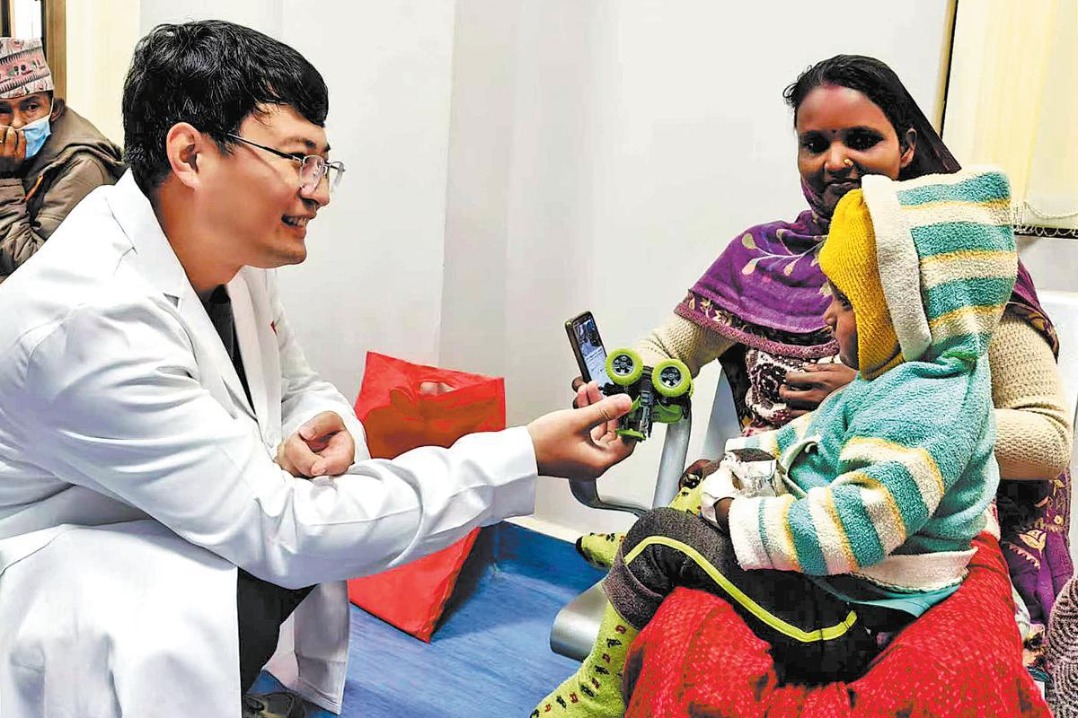
Making outstanding achievements in international medical and health assistance. Since 1963, China has sent teams totaling 25,000 medical workers to 69 developing countries. They have diagnosed and treated a total of 280 million cases. In September 2015, China announced at relevant United Nations summits that it would take major health assistance actions for developing countries in the five years to come, including the construction of 100 hospitals and clinics, and the implementation of 100 "maternal and child health projects." By June 2017, more than 1,300 medical team members and public health experts from China were working in 51 countries, and over 20,000 health management and technical personnel had been trained in China for the recipient countries. It had built more than 150 facilities, including general hospitals, specialized centers and drug warehouses. China had provided batches of medical supplies to those countries including ambulances, diagnosis and treatment equipment, and vaccine cold chains. In the same period it donated antimalarial drugs to Africa, saving 40 million lives. Since 2008, China has built 30 malaria prevention and treatment centers in Africa, and provided RMB190 million worth of artemisinin-based antimalarial drugs.
Effectively conducting global emergency response. China has met the requirements for implementing the International Health Regulations. It has been playing an active and leading role in international emergency rescue, and has participated in the fight against epidemics, including yellow fever and Zika virus disease in Angola and Guyana. After the outbreak of Ebola in West Africa in 2014, China provided assistance including cash and supplies to epidemic-stricken countries and international organizations on four consecutive occasions, with a total value of $120 million. More than 1,200 Chinese medical personnel and public-health experts had been sent to epidemic-stricken areas and neighboring countries to complete nearly 9,000 sample tests, observe and treat over 900 cases and train 13,000 local people in medical care and community-based prevention and control. After an 8.1-magnitude earthquake hit Nepal in 2015, the Chinese government sent four medical and epidemic prevention teams with a total of 193 members to the disaster area to help relief efforts. A total of 2,600 cases were treated and more than 1,000 core members of health and epidemic prevention work were trained.
International recognition of TCM continuing to grow. Now, 183 countries and regions around the world have access to TCM. TCM has become an important part of China's cooperation with regions and health organizations in ASEAN, Europe and Africa. TCM acupuncture and moxibustion have been recognized as important parts of the intangible heritage of mankind by UNESCO, and the Chinese medical classics Huangdi Neijing (Inner Canon of the Yellow Emperor) and Bencao Gangmu (Compendium of Materia Medica) have been included in the UNESCO Memory of the World. According to statistics from the WHO, 103 member states have authorized the use of acupuncture and moxibustion, of which 29 have established laws and regulations promoting traditional medicines, and 18 include acupuncture and moxibustion in their medical insurance systems.