 Media from home and overseas have run countless reports about environmental pollution spreading from urban centers to rural areas in China. Media from home and overseas have run countless reports about environmental pollution spreading from urban centers to rural areas in China.
So much so, in fact, that China is now seen as one of the major contributors to environmental woes and global warming. Its reputation is overshadowing even those of developed Western countries who, over the past century, have contributed the most to climate change and pollution without ever being placed under a constant media spotlight. One issue at the core of this is how China, still a developing country, follows the ever-stricter international standards set by the developed countries, which already possess advanced technology, technical know-how and appraisal equipment. Meanwhile, the world media currently places China under a microscope, and any wrongs it may make will hit front-page headlines. Consequently, however much the media brag about their balanced reporting, they tend to ignore such facts.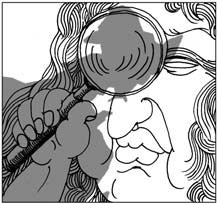 So, they tend to overlook the pains the Chinese have gone through to follow international standards on their road out of poverty. And they overlook the changes in the lives and conceptions of the Chinese since they set their eyes on the international market. A case in point is the remote mountainous town of Jiaohu, in East China's Jiangxi Province, which was the country's first rural center for organic agriculture. Its scallions, snow peas, lilies, yams and a dozen other types of produce have made their way to the dinner tables of Europeans, Australians and Japanese. Nowadays, any vehicle entering the township of Jiaohu has to stop at local roadblocks not to pay extra fees, as usually occurs elsewhere, but to undergo a thorough search by a local team of inspectors. Those owners who carry chemical fertilizers and pesticides have to unload and forego all merchandise that is banned in Jiaohu. Since Jiaohu ventured into organic farming in 1999, Xie Jiafa, the chief township road inspector, and his colleagues have had heated arguments with local farmers countless times. "I once thought I'd lose money without chemical fertilizers and pesticides to boost the harvest," Dai Zongcheng, a rice grower, said. Until two years ago, a few local farmers still thought they'd somehow gone by undetected when they smuggled a tiny amount of chemicals. But some 70 households had to pay a fine equal to about half of their annual income, totalling 200,000 yuan. The loss of money forced the farmers, who are accustomed to taking it easy and ignoring rules whenever possible, to enforce the international standard for organic produce by reviving the centuries-old system of joint-responsibility among households. As China becomes increasingly integrated in the world economy, the Chinese have had to learn the disciplines and standards that Western countries have established out of their own painful experiences and even sweatshops in the late 19th century. The enforcement of those international standards may be lax in other countries, but China has little leeway to make excuses. Of course, no one feels at ease under such close and sometimes biased international scrutiny. But we cannot ignore those negative reports either, even though some are made with obvious malice. I remember an African student once told me that the developing countries still look to China for an answer to sustainable and environmentally-friendly development. We cannot let down our own children and grandchildren, let alone the people of the world. E-mail: lixing@chinadaily.com.cn (China Daily 05/10/2007 page10)
|