 |
 |

當前位置: Language Tips> 分類詞匯
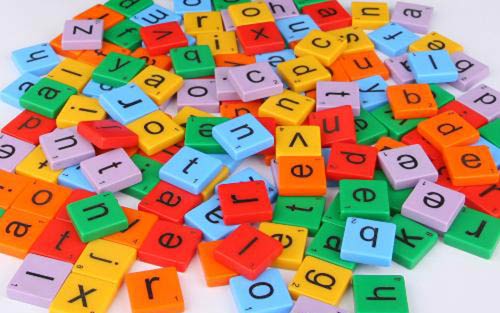
English words from Chinese words are often denoted as being 'loanwords.' A loanword is one that does not share a literal translation of the word. Rather the word is based on the adopted language. Quite simply, the word is borrowed and then co-opted into the new language.
那些來自于中國的詞匯通常都被稱之為“外來詞匯”。這種詞不是逐個字翻譯過來的,而是基于這種外來語言的。簡單來說就是,這個詞匯是從別處借過來的,然后用到一種新的語言之中。
1. Gung Ho
工合
Pronounced gōng hé in Mandarin. The literal translation is,"work together." The English use was popularized by Marines fighting in the Pacific in World War II. The phrase came to mean: "whole heartedly enthusiastic, and loyal, eager, and zealous."
在普通話里的發音為gōng hé,意思是“合作、同心協力”。在英語中廣泛被使用是二戰時期海軍陸戰隊在太平洋作戰時期。這個短語的意思是:“竭誠熱情,忠誠、愿望、熱心。”
2. Typhoon
臺風
Pronounced dàfēng in Mandarin and tai fung in Cantonese. The literal translation is "strong wind." Experts say the term, typhon from the Greek and Arabic, was strengthened with the Chinese translation.
在普通話中的發音為:dàfēng,廣東話的發音為:tai fung。直譯過來就是:“強風”。有專家表示這個詞匯源自于希臘語和阿拉伯語,中文翻譯后意思加強了。
3. China
中國
In Chinese, the name is pronounced zhōng guó and literally means "the middle country." The name was first used by the Italian explorer, Marco Polo.
在中文里的讀音為:zhōng guó,字面意思是“中間的國家。”最初使用這個詞匯的人是意大利探險家馬可波羅。
4. Silk
絲綢
Pronounced si in Mandarin. The word was first introduced to Western culture by smugglers who took silk worms and mulberry leaves out of China in 552 Common Era (CE).
在中文里的讀音為:si。這個詞語第一次引入到西方是公元552年走私者將蠶、桑葉從中國帶到西方的時候。
5. Feng Shui
風水
Literally wind and water. It is the Chinese belief in creating a spiritual balance in one's home and workplace. The word was first introduced to Westerners in 1757.
字面意思是:風和水。風水是中國人在家和工作場所創造精神平衡的一種信仰。這個詞最開始進入西方是1757年。
6. Kowtow
磕頭
Literally means "knock head." Pronounced e k'o-t'ou in Chinese. In China the word is a way of bowing and touching the forehead to the ground to indicate respect. In English the word means to "be servile: to behave in an extremely submissive way in order to please somebody in a position of authority."
字面意思就是“扣頭”,在中文中的發音為:e k’o-t’ou ,意思是:鞠躬,前額碰到地上以示尊重。在英語中的意思是“奴化:為了取悅別人,表現得非常順從。”
7. Junk
垃圾
The literal translation in Chinese is "boat." In 1884 the term came to mean "old refuse from boats and ships," and eventually came to mean trash in Western culture.
中文中的字面意思是“船”。這個詞語在1884年表示的是“船上的廢舊物”,在西方最終演變成垃圾的意思。
8. Lose Face
丟面子
The literal translation is "humiliation" and is pronounced tu lien in Chinese. The word is said to have been introduced to English speakers in 1876.
字面的意思是“丟臉、恥辱”,發音為tu lien。據說這個詞匯是在1876引進西方的。
9. Shanghai
上海
Shanghai is a Chinese seaport. The word in English came to mean, "to drug a man unconscious and ship him as a sailor." This was the practice of 'recruiting' sailors to the seaport of Shanghai.
上海是中國的一個港口城市。在英語中的意思是“給某人下毒使其失去意識,然后帶他去做船員。”這就是上海港口實際中“招募”的船員。
10. Tai Chi
太極
In Chinese, the word is literally translated to the "supreme ultimate." It is now used in American lingo to describe the martial art of tai chi. Some emphasize the slow movements as a form of exercise, while others practice it as a martial art.
按照中文譯過來就是“太極(最高極限)。”這也是現在美國武術館中描述的太極。一些人將其看做一種慢動作的練習方式,但是另一些人將其當做武術來練。
11. Oolong
烏龍茶
Literally "black dragon." First introduced to the English language in 1852 as a dark, black tea.
字面意思是“黑龍。”首次是1852年作為紅茶引入的。
(來源:大耳朵英語 編輯:王雨薇)
上一篇 : 牛津詞典版《五十度灰》來襲
下一篇 : 股市常用英文大盤點

添加Chinadaily_Mobile
你想看的我們這兒都有!

中國首份雙語手機報
學英語看資訊一個都不能少!
關注和訂閱

電話:8610-84883645
傳真:8610-84883500
Email: languagetips@chinadaily.com.cn