
 |
 |

當(dāng)前位置: Language Tips> 雙語新聞
China Exclusive: What animal to worship this Chinese New Year?
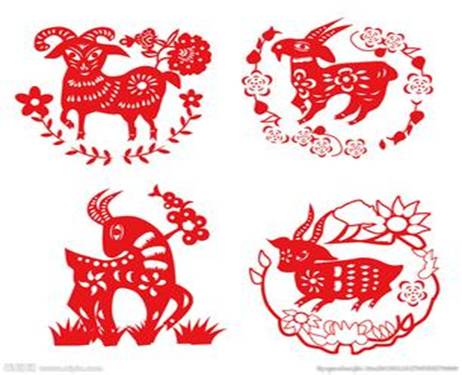
The zodiac animal of China's coming Lunar New Year has caused much confusion in the English world, as its translation results in at least two candidates: sheep or goat.
中國農(nóng)歷新年即將到來,但今年的生肖卻讓英語國家的人們感到非常困惑,因?yàn)樗辽儆袃煞N英文翻譯:綿羊或山羊。
Chinese folklorists say the animal symbol can be either a sheep or a goat but more likely goat, given the latter's popularity as a farm animal among Han Chinese.
中國民俗學(xué)家表示,羊年生肖的象征物既可能是綿羊,也可能是山羊,但山羊的可能性更大,因?yàn)樵跐h族地區(qū)山羊作為家畜更為常見。
The Chinese lunar calendar assigns an animal symbol to each year in every 12-year cycle. Yet the Chinese character for the eighth zodiac animal is "Yang", which can refer to either of the two ruminants when used without attributes.
中國農(nóng)歷以十二年為周期,每年以一種動(dòng)物作為象征。十二生肖中的第八個(gè)生肖是“羊”,而這個(gè)字在沒有修飾限定語的情況下可指綿羊或山羊任意一種反芻動(dòng)物。
Huang Yang, a prominent researcher on the role of sheep/goats in Chinese culture, says tracing the origin of the zodiacal Yang could be difficult, as the Chinese zodiac first appeared after the Shang Dynasty (1600-1046 BC), when the Chinese people did not differentiate between sheep and goats in language or in sacrificial offering.
國內(nèi)研究羊在中國文化中地位的知名學(xué)者黃洋稱,追尋生肖羊的來歷比較困難,因?yàn)榇松ぷ钕瘸霈F(xiàn)在商朝(公元前1600-1046年)之后,而那時(shí)人們?cè)谡Z言和祭祀中是不區(qū)分綿羊和山羊的。
Both species have a long history of domestication in China and have appeared on oracle bone scripts and other artifacts since prehistoric times, according to Huang, who in 2012 challenged the saying that Chinese are "descendants of the dragon" by arguing that the earliest Chinese actually worshipped the meek ruminants.
黃洋稱,這兩種動(dòng)物在中國都有著較長的畜養(yǎng)歷史,自史前時(shí)期開始,就已出現(xiàn)在甲骨文和其他手工藝品上了。黃洋曾在2012年質(zhì)疑中國人是龍的傳人,認(rèn)為最早的中國人崇拜的是溫順的反芻動(dòng)物——羊。
"But if we judge from the fact that the Chinese zodiac is a Han tradition, Yang are more likely goats, which are more common livestock for the Han Chinese," he tells Xinhua in a phone interview.
在接受新華社的電話采訪時(shí),他表示:“但如果我們基于生肖是漢族傳統(tǒng)這個(gè)事實(shí)出發(fā), 則‘羊’更可能指的是山羊,因?yàn)閷?duì)于漢族人來說山羊是更為常見的家畜。”
Shaggy sheep are a common sight in north China's prairies and were domesticated by Chinese earlier than goats, but goats are more commonly raised in areas populated by Han Chinese, Huang says.
他說,絨毛蓬松的綿羊在中國北方的大草原上很常見,其畜養(yǎng)的時(shí)間也比山羊要早,但在漢族聚居地山羊更為常見。
Images on China's zodiac stamps and papercuttings are often bearded goats. The replica of the Yang bronze statue that once formed part of a zodiac fountain in the looted Old Summer Palace also has a goat head.
中國生肖郵票和剪紙上羊的形象往往都是帶胡須的山羊。而慘遭洗劫的圓明園生肖噴泉一部分的青銅羊首復(fù)制品,也是山羊頭。
Fang Binggui, a folklorist based in southeast China's Fuzhou City, says the image of the zodiac Yang is open to regional interpretation. "People depict the zodiac animal based on the most common Yang in their region. So it's often sheep in the north while goats in the south."
中國東南部城市福州的民俗學(xué)家方兵貴稱,生肖羊的形象常有區(qū)域性的解釋。他說:“人們基于當(dāng)?shù)刈畛R姷难騺砻枥L生肖羊,所以在北方生肖羊往往是綿羊,在南方卻是山羊。”
Few ordinary Chinese are troubled by the sheep/goat distinction.
很少有中國百姓因分不清綿羊和山羊感到困擾。
"I've never thought about that question before. Do we have to tell them apart?" asks Chen Xufeng, an office clerk in Beijing.
北京白領(lǐng)陳旭鋒說:“我以前從來沒想過這個(gè)問題。我們有必要區(qū)分它們嗎?”
"I've seen more goats in zodiac images, but I prefer to buy a sheep mascot, as sheep are more fluffy and lovely," he says.
他說:“在生肖圖案里,山羊更常見,但我卻更喜歡買綿羊吉祥物,因?yàn)榫d羊毛茸茸的,非常可愛。”
However, the ambiguity has whipped up discussion in the West. A story run by the Associated Press said this year's animal "is subject to interpretation".
然而,這個(gè)模糊不清的概念卻在西方引發(fā)討論。美聯(lián)社刊文稱,今年的生肖動(dòng)物還有待解讀。
"We just had this discussion a few weeks ago. What exactly is it?" AP quoted a worker in Brooklyn Chinatown as saying. "It can be a ram, sheep or goat -- any ruminant mountain animal with horns."
美聯(lián)社援引布魯克林唐人街一名上班族的話稱:“我們幾周前剛討論過這個(gè)問題。今年的生肖到底是什么?它可以是公羊、綿羊或者山羊,只要是山上長角的反芻動(dòng)物都有可能。”
In England, the Manchester Evening News also posed the question: "Later this month, we will enter the Chinese Year of the Ram. Or should that be sheep? Or even Goat?"
英格蘭《曼徹斯特晚報(bào)》也提出了這個(gè)問題:“月底我們就要跨入中國農(nóng)歷公羊年了,或者應(yīng)該叫綿羊年?還是山羊年?”
Other media outlets, including Bloomberg, have described the coming Lunar New Year as the Year of the Sheep, Goat or Ram.
其他一些媒體包括彭博社,也已把即將到來的農(nóng)歷新年稱作綿羊、山羊或公羊年。
Xiang Daohua, a teacher of Chinese language and culture at China Foreign Affairs University, believes cultural connotations should be taken into consideration in translation.
外交學(xué)院中國語言文化學(xué)院教師向道華認(rèn)為,翻譯時(shí)應(yīng)該考慮文化內(nèi)涵的因素。
"The English word 'sheep' better fits the Yang image in traditional Chinese cultures, which is meek and even a bit weak," he says.
他說:“英文單詞‘sheep’(綿羊)更符合中國傳統(tǒng)文化中羊溫順、甚至有點(diǎn)柔弱的形象。”
Vocabulary
zodiac animal: 生肖
folklorist: 民俗學(xué)者
ruminant: 反芻動(dòng)物
shaggy: (動(dòng)、植)有絨毛的
prairie: 大草原
fluffy: 毛茸茸的,覆有絨毛的
ram: 公羊
(譯者:實(shí)習(xí)生陳思迪? 編輯:丁一)
上一篇 : 捷星航空用風(fēng)水幫乘客相親
下一篇 : 研究:幸運(yùn)符有助提升戀愛運(yùn)

添加Chinadaily_Mobile
你想看的我們這兒都有!

中國首份雙語手機(jī)報(bào)
學(xué)英語看資訊一個(gè)都不能少!
關(guān)注和訂閱


關(guān)于我們 | 聯(lián)系方式 | 招聘信息

電話:8610-84883645
傳真:8610-84883500
Email: languagetips@chinadaily.com.cn