<tt id="6hsgl"><pre id="6hsgl"><pre id="6hsgl"></pre></pre></tt>
          <nav id="6hsgl"><th id="6hsgl"></th></nav>
          国产免费网站看v片元遮挡,一亚洲一区二区中文字幕,波多野结衣一区二区免费视频,天天色综网,久久综合给合久久狠狠狠,男人的天堂av一二三区,午夜福利看片在线观看,亚洲中文字幕在线无码一区二区
          Home News Law & Policy Religion & Culture Opinion Economy Festivals Photo Arts Special Coverage
           
              Arts
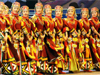
          A Voice From Afar: Uyghur Music
          (Chinaculture.org)
          Updated: 2009-08-13 11:28


          A Voice From Afar: Uyghur Music


          Another kind of Uygur music is called "Sanam," or "beauty," which involves singing and dancing to a group consisting of between seven to a dozen pieces of song-and-dance music. The music begins slowly and steadily, then picks up speed, and finally culminates in a climax of merry music and exuberant dances.

          "Kuxak," "Eytixish," and "Maida" are spoken songs, which are common among the Uygur people. Accompanied by simple tunes, the speaker will talk his way through a song, usually about the love between a man and a woman. These songs can also be performed by two people.

          Uygur music is accompanied by a variety of instruments. Back in the Sui (581-618) and Tang (618-907) dynasties, the five-stringedpipa(a plucked string instrument with a fretted fingerboard) andkonghou(harp, an ancient plucked stringed instrument) were popular in Qiuci and other areas. They arrived in the Central Plains along with music from the Western Region. The present Uygur music developed from ancientmusical instrumentsfrom the Western Region as well as modern Chinese and foreign instruments; it includes dozens of stringed, wind and percussion instruments.

           The Mother of Uygur Music: 'Twelve Muqam'

          Known as the "mother of Uygur music," the "Twelve Muqam" has a long history. Some scholars believe its origin can be traced back to the "Great Western Region Melody" that flourished during the Han (206BC-AD220) and Tang dynasties and enjoyed a high popularity in Central China.

          In the mid-16th century, aided by other experts, the imperial concubine Amannisahan of the Yarkant Kingdom, who was also an esteemed poetess and musician, devoted all her efforts to collecting and compiling Muqam music, which was then scattered across Uygur-populated areas. She finally worked out 12 grand, yet light and entertaining compositions that are now known as the "Twelve Muqam."

             Previous 1 2 3 4 Next Page  

           
            Video
          Family's open letter to Rebiya
            Latest News
          Asia Arts Festival highlights Mongolia's ethnic culture
          Hu meets delegation of ethnic minorities from Taiwan
          Fake invoices in railway construction
          A tale of a woman and her village
          31 cities' police deployed to Xinjiang
            Special Coverage
            A slideshow of 22 photos shows the past and present of Tibet
            A slideshow of 18 photos shows how Tibetans celebrate the New Year
            156 of the 197 deaths in the Urumqi riot were innocent civilians
           
                 
          主站蜘蛛池模板: 亚国产亚洲亚洲精品视频| 日韩东京热一区二区三区| 亚洲国产精品人人做人人爱| 老司机亚洲精品一区二区| 国产偷国产偷亚洲综合av| 大陆精大陆国产国语精品| 国内精品无码一区二区三区| 欧美三级视频在线播放| 鲁丝片一区二区三区免费| 亚洲精品第一页中文字幕| 亚洲AV高清一区二区三区尤物| 在线无码免费的毛片视频| 成年片免费观看网站| 亚洲爆乳少妇无码激情| 日韩av片无码一区二区不卡| 亚洲天堂av 在线| 久久精品第九区免费观看| 午夜福利片1000无码免费| 精品无码久久久久成人漫画| free性欧美videos| 91久久夜色精品国产网站| 国产亚洲无线码一区二区| 亚洲综合日韩av在线| 亚洲色大成网站WWW国产| 国产成人综合久久精品推最新| 草草ccyy免费看片线路| 国产一区二区精品偷系列| 国产亚洲精品AA片在线播放天| 国产精品无遮挡猛进猛出| 亚洲成人免费在线| 国产中文99视频在线观看| 国产精品乱人伦一区二区| 精品一区二区不卡无码AV | 日本国产一区二区三区在线观看 | 欧美精品视频一区二区三区| 少妇又紧又色又爽又刺激视频| 亚洲乱色一区二区三区丝袜| 亚洲一区成人av在线| 亚洲国产av一区二区三| 精品国产成人国产在线观看| 亚洲欧美在线综合一区二区三区|