|
Home>News Center>Bizchina | |
|
|
|
|
|
|
|
|
|
|
||||||||||||||||||
|
|
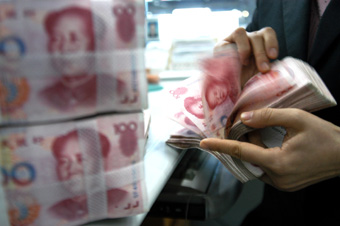
Renminbi exchange rate kept stable China pledged Monday to continue to keep the renminbi exchange rate stable. The People's Bank of China's Monetary Policy Committee decided at its fourth quarter meeting that the fundamental stability in the renminbi's exchange rate should be maintained, while efforts are made to improve the exchange rate forming mechanism, the bank said in a statement.
The central bank's rhetoric is basically unchanged from a stance it has repeatedly stated -- that the country will not revalue its currency, also known as the yuan, under foreign pressure, but will improve the flexibility of its exchange rate regime. China has been under pressure from its trading partners who complain that the renminbi is undervalued, a view the Chinese Government has refuted. But speculation for the yuan appreciating remains strong in the marketplace, and speculative funds have been flowing into China, which has alerted Chinese regulators. The State Administration of Foreign Exchange, the nation's foreign exchange regulator, sent a stern warning to currency speculators earlier this month, pledging heavy penalties on any illegal foreign exchange activities that threatens to disrupt the normal order of the markets. "We want to solemnly warn illegal speculators that the State Administration of Foreign Exchange and other law-enforcement departments... will never let any behaviour go that may disrupt order in the foreign exchange market," the administration said. The administration has found signs of currency speculation in areas such as trade, foreign direct investment and the property market, it said. The growing foreign exchange inflows have put pressure on the central bank, since it has to purchase excess dollars to enforce a narrow floating band of the renminbi, subsequently increasing local money supplies at a time of already rapid loan growth. |
|
|
|
|
|||||||||||||||
|
|
|
|
||||||||||||||||||