|
Home>News Center>Life | |
|
|
|
|
|
|
|
|
|
|
|||||||||||||||||||||||||||||||||||||||||||||||||||||||||||||||||||||||||||||
|
|
Price hikes won't do heritage sites good
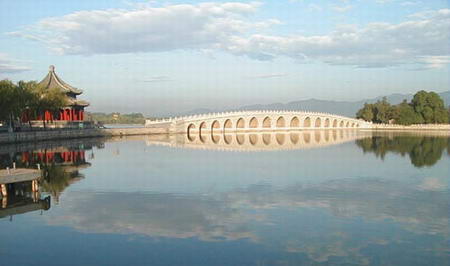
Six Beijing-based UNESCO world heritage sites will likely raise their entrance fees in the wake of a public hearing last week. The locations are the hugely popular Summer Palace, the Forbidden City, the Badaling section of the Great Wall, the Temple of Heaven and two of the Thirteen Ming Tombs.
Beijing News: The true value of the sites cannot be reflected by their entrance fees. The hearing could result in a hike from 5 yuan (60 US cents) to 50 yuan (US$6) for the sites. The Forbidden City would go from 60 yuan (US$7.30) to 100 yuan (US$12) - the highest among all of them. There have already been many disputes about rising ticket prices for China's world heritage sites. But this time, the touted hikes have raised the ire of the public. Supporters of the increases say they are just a matter of economics: Prices should be determined by the value of a site and supply and demand. However, can a world heritage site simply be treated as a commodity? And is the cost of entry the only way to reflect their real values? The sites illustrate achievements throughout history and are symbols of hope for the future. Therefore, their protection has attracted much attention from around the globe. They are, in essence, cultural and intellectual resources. Their basic values are mainly apparent in social education, as references to the past. Their economic value, however, is just a by-product. The best way for the value of a site to shine through is by allowing people to appreciate, understand and study it, not by raising its entrance fee. It is true that the value of a commodity should be measured by price. But on items such as these, they should be valued by their social contributions. Many other countries display their history in museums for free, or for a minimal charge. Many world-famous sites charge a fee that is affordable to a majority of visitors. However, as the monthly income is 2,000 yuan (US$242) per capita for Beijing urban residents, it means getting into the Forbidden City would cost 1/20th of a person's wage. The basic rationale for the price hikes is to help control the huge number of visitors who are going to the nation's top heritage sites. But this is groundless reasoning as the majority of people going through the turnstiles are visitors to Beijing. So having come all that way, they will not be discouraged from entering if they have to pay more. The only way to really limit visitors to an area is to cap the number of people who can enter. Beijing Youth Daily: Our world heritage sites should not be treated as commodities. The disputes that are arising around entrance fees stem from different understandings of the value of the world heritage sites. One of the reasons behind the possible price rises is that the current prices are too low to reflect the true values of the sites. Those pushing for change say the extra revenue from ticket sales could be used to repair and maintain the sites, as they struggle under the weight of growing tourism numbers. Such reasoning is in agreement with the economic principles that determine prices. And it could be argued that the sites are treated as a commodity, or a special commodity at least, by those people who manage them. But where is the public's interest in all of this, when it comes to weighing up economics with a nation's past? And the voices of objections come from the considerations for the public interests. They stress the shared values of the world heritages and disagree the simple conversion between the cultural value and economic value. They have also showed concern that the high entrance fees will keep low-income visitors outside the world's famous cultural relics. The rights of people to have access to their history has to be taken into consideration. But they can easily be forgotten when talk turns to profits. The economic values of the sites should not be dismissed. When UNESCO ratifies a world heritage listing, there can be huge profits for people linked to the site due to increases in tourism. And that is why there has been a huge amount of applications for world heritage listings nationwide. Even in countries where entrance fees to world heritage sites are very low, tourism and related industries are assisted. Therefore, although a site has huge economic potential, it does not mean that it directly translates into profits. A site's purpose should not be to make the people who manage or have links to it rich. The sites belong to the world as a whole, a nation's society - not individuals. Now in other cities, the craze for application of the world heritage sites and their commercial management have already resulted in negative influence on their protection. It is better for Beijing to learn a lesson from them. China Youth Daily: Last week's hearing did not focus on whether prices should be raised or not, but by how much. However, increasing ticket prices will not protect Beijing's world heritage sites. Take the Forbidden City for example, which could be considered a grand gift from our ancestors. Almost every visitor to the national capital with some time on their hands wants to look around it. Many years ago, it only cost 0.3 yuan (3.6 US cents) to get in, yet very few people did. Strangely though, as the ticket price increases gradually, the number of visitors grows. Why? In recent years, Chinese people's incomes have increased, so they have been able to look at the city's former imperial culture. So, bumping up prices will not be an effective tool to control the number of visitors. And it is not reasonable to use the revenue from increased entrance fees to repair and maintain our cultural relics. If more visitors were to bring in more revenue, which was supposed to be used for repairs and maintenance, managers would welcome extra tourists. However, the more people there are, the more damage done. So the protection of world heritage sites should not be linked to ticket revenues, but government backing. The world heritage sites could boost local tourism and other related industries. Visitors have made their contributions to the country's coffers through paying taxes while travelling. Then the country could invest the increased tax revenue into the heritage sites. That is the way to protect cultural relics. Other countries also pay attention to protecting their world heritage sites.
But they protect their heritage through limiting the number of visitors, instead
of increasing the entrance costs.
|
|
|
|
|
||||||||||||||||||||||||||||||||||||||||||||||||||||||||||||||||||||||||||
|
|
|
|
|||||||||||||||||||||||||||||||||||||||||||||||||||||||||||||||||||||||||||||