CHINA> Focus

|
CHINA> Focus
|
|
Looking behind the global food crisis
By You Nuo and Wu Jiao (China Daily)
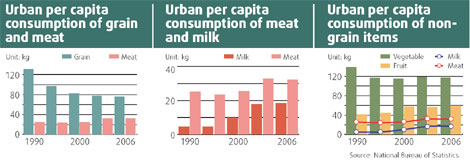
Updated: 2008-07-29 07:35 They are neither food writers nor reporters covering the agricultural sector. But many say they are particularly interested in how people in other countries eat.  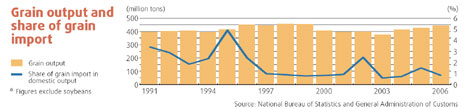 Reports from the Western media on the global food situation, of developing countries not "eating responsibly", have been raising the ire of Chinese and other experts, who have provided statistics to refute such claims. A recent argument from the West claims that developing nations are consuming more food and driving up grain prices. China and India, as the two most populous developing countries, have borne the brunt of these attacks. But official statistics and independent analysis have shown that Chinese demand has not affected global food prices, experts have said. They say that the allegations from the West contain three fallacies: China's grain demand has not directly affected the global market, because most of its supply is domestic. Although the Chinese have been eating more meat, they have also been eating less grain. As meat consumption in China is on the rise, the nation's consumption of vegetables has also gone up, illustrating a trend that many of the country's critics have been ignoring. Self-reliance While the Chinese people have consumed more grain consisting mostly of rice, wheat and corn, experts have said the country has remained more than 90 percent dependent on domestic supply these past years. For the last five years, its dependence on domestic supplies has been above 95 percent, figures from the National Bureau of Statistics (NBS) have showed.
That means China relies on imports for only a fraction of its total grain consumption, no matter how much more it "eats", experts said. As early as the 1980s, when the rural cottage industry started to flourish in China, Dwight Perkins, a Harvard professor on Chinese economy and agriculture, told his Chinese audience that the country could never afford to follow the development strategy of Japan and South Korea. |
主站蜘蛛池模板: √新版天堂资源在线资源| 91人妻熟妇在线视频| 国产精品毛片一区视频播| 精品 日韩 国产 欧美 视频| 色综合久久加勒比高清88| 94人妻少妇偷人精品| 亚洲乱码一卡二卡卡3卡4卡| 亚洲天堂成人黄色在线播放| 一出一进一爽一粗一大视频| 亚洲欧洲色图片网站| 少妇私密会所按摩到高潮呻吟| 人妻少妇久久精品一区二区| 亚洲色大成网站WWW永久麻豆| 亚洲色欲色欲WWW在线丝| 高清偷拍一区二区三区| 国产精品片在线观看手机版| 国产亚洲一级特黄大片在线| 亚洲中文久久久精品无码| 国产成人精品a视频| 粉嫩一区二区三区国产精品| 人妻少妇精品中文字幕| 邻居少妇张开腿让我爽了一夜| 国产精品午夜电影| 国产日韩一区二区四季| 国产a级黄色一区二区| 白丝乳交内射一二三区| 中文字幕久区久久中文字幕| 国产又爽又黄的激情视频| 精品国产一区二区三区av性色| 麻豆一区二区三区精品蜜桃| 美女一区二区三区在线观看视频| 国产精一区二区黑人巨大| 黑人av无码一区| 91人妻熟妇在线视频| 欧美成年性h版影视中文字幕| 久久中文字幕日韩无码视频| 成人乱人乱一区二区三区 | 国产精品一区二区三区自拍| 中文成人无字幕乱码精品区| 国产精品午夜福利免费看| 中文熟妇人妻av在线|