What makes a brand global? According to the former head of marketing for Starbucks and Nike, a global brand "can travel worldwide, transcend cultural barriers, speak to multiple consumer segments simultaneously, create economies of scale, and let you operate at the higher end of the positioning spectrum-where you can earn solid margins over the long term".
Based on this definition we have yet to see any Chinese companies develop brands with global appeal. Even current success stories such as Haier, Huawei, Lenovo and Tsingtao have brand names that are more challenging for some Western consumers to pronounce than childhood tongue twisters.
But despite the current absence of truly global Chinese brands, I remain optimistic that Chinese companies will create globally competitive brands soon. This is due to an evolving domestic business environment that is beginning to reward competitive brand positioning combined with an emerging class of Chinese business leaders who recognize the importance of building a strong globally recognized brand.
The responsibility of marketing in any company is to strike the right balance between driving sales today and building a long-term brand for tomorrow. In the years of double-digit economic growth, Chinese firms focused almost exclusively on sales to drive corporate growth. Marketing was all too often focused on the next product launch rather than building a brand asset for the future. While doing research for my book, a China public relations executive shared an industry joke used to describe the way many Chinese companies perceive marketing:
"Branding means designing a new logo, marketing is the equivalent of purchasing ads on China Central Television, and PR does not stand for public relations but rather pay the reporter."
While the joke is certainly a generalization, it does help illustrate how, for many Chinese companies, marketing was considered to be an expendable expense. As a result of its companies' previous growth strategy, China has been able to produce many large companies-95 companies in the Fortune Global 500 originate from China-yet very few are recognized outside of China.
However, this is changing.
The domestic business environment, where many Chinese companies once thrived, has changed dramatically in recent years. Labor costs have increased significantly and the competition from both Chinese and foreign companies has heated up across industries, meaning competing on low prices alone is no longer an effective business strategy.
One result of a more challenging operating environment is that Chinese companies are now looking outside of China, especially to the United States and Western Europe, for competitive advantages such as advanced technology, managerial talent, and increasingly global brands to help strengthen their competitive position within China and gradually overseas.
For example, the Chinese dairy company Bright Food invested $58 million in New Zealand's Synlait milk in part to use the overseas brand name to help differentiate itself in the eyes of Chinese consumers after the 2008 dairy scandal. Additionally, Geely's 2010 acquisition of Volvo cars enabled the Chinese automaker to gain access to a premium global car brand and improve its competitive position in the world's largest auto market.
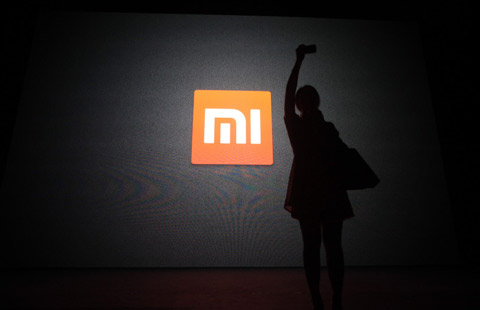
Beyond overseas brand acquisitions, there are several Chinese companies that have built strong global brands within their respective industries. Some examples include Haier in home appliances, Huawei in telecommunications and Xiaomi in consumer electronics. While these companies are far from achieving brand recognition among everyday global consumers, global competitors surely recognize their brands and are strategizing every day to prevent them from taking away their market share.
And while Chinese companies are placing more emphasis on branding to improve their competitiveness, their employees and consumers are also becoming more internationally exposed. The boom in Chinese outbound tourism, overseas studies, and immigration are creating a generation of both global and globally minded Chinese at the individual level.
Companies in relatively newer industries, such as biotechnology, the Internet, and consumer electronics, are often run by executives who possess this international experience and understanding of why they need to concentrate on building a brand from day one.
The author is associate vice-president at the Frontier Strategy Group. Courtesy of chinausfocus.com. The views do not necessarily reflect those of China Daily.

Copyright 1995 - . All rights reserved. The content (including but not limited to text, photo, multimedia information, etc) published in this site belongs to China Daily Information Co (CDIC). Without written authorization from CDIC, such content shall not be republished or used in any form. Note: Browsers with 1024*768 or higher resolution are suggested for this site.
License for publishing multimedia online 0108263 Registration Number: 130349