BIZCHINA> Center

|
BIZCHINA> Center
|
|
Related
Textile industry gets green makeover
By Yu Tianyu (China Daily)
Updated: 2008-04-07 10:33
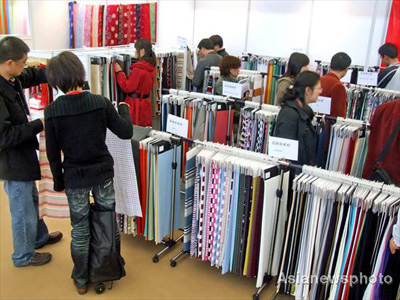
The textiles industry has been a notorious polluter due to its large amounts of volatile organic compounds and polluted wastewater. But viscose, a new environmentally friendly fiber could help the industry gain a positive boost in its drive to become greener. Viscose is a natural fiber extracted from wood pulp and notable for being biodegradable and having the same absorbent and easy-to-weave characteristics as cotton. It's used to make clothing, household wipes, cigarette filters, baby wipes, feminine hygiene products, medical pads as well as household wipes and a variety of other products. The global output of viscose fiber has been growing worldwide. It was 1.43 million tons in 2006, and reached 1.54 million tons in 2007. To meet the demand, the foreign-owned, Sateri International Group, is a major integrated manufacturer of specialty pulp and viscose fibers, is expanding its output in China. With a total global production capacity of 285,000 tons, Sateri has two pulp factories in Brazil and a plantation in Indonesia, plus a viscose fiber mill in Jiujiang in China's Jiangxi province. The Group is one of the largest viscose and dissolving pulp producers in the world. Leading viscose producer Sateri fiber mill, in Jiujiang with an investment of $215 million, is the first wholly foreign-owned viscose fiber mill in China. It supplies 70,000 tons of viscose a year. Last August, Sateri started expanding the manufacturing facility with an investment of 980 million yuan ($139.61 million). The expansion is expected to be completed in October, and could push its annual production capacity to 130,000 tons, according to Craig Barker, CEO of Sateri. That would also turn Sateri into China's fourth largest viscose fiber manufacturer. Sateri has been exporting rayon from China, but the domestic consumption of viscose fiber is now also rising. The enforcement of China's Energy Efficiency Law will put pressure on some small or energy-consuming enterprises to embrace green solutions and give Sateri a boost, notes Barker. China is a major viscose manufacturer, producing 770,000 tons per year, a figure that accounts for more than 50 percent of the global production capacity. The viscose fiber market in China has been growing by 15-17 percent annually during the past five years, says Barker. At higher temperatures viscose is stronger than oil-based fibbers like polyester. As a result it's also ideally suited for products like the reinforcing fabric for tires. It is also being used to make flame barriers or layers for upholstery fabrics, home textiles and furniture. In addition, new and expanded applications of specialty viscose have been found in a wide variety of products including LCD screens, building materials and pharmaceuticals. Sateri's pulp and viscose fiber factories have adopted a process, which recycles over 95 percent of chemicals used in the manufacturing process and the factories also use biofuels for all energy needs, says Barker. Statistics show viscose fiber enjoys a much higher yield of 6.2 tons per hectare, consuming 6.4 tons of water. This is compared with cotton's 1.2 tons per hectare, using 7 to 29 tons of water. Sateri has been promoting communication among various textile companies in China as well as research centers, academic organizations and universities to expand its presence, says Barker. "We will also intensify cooperation between upstream and downstream players and develop various fiber products to meet market needs and consumer demands," he says. (For more biz stories, please visit Industries)
|
主站蜘蛛池模板: 一区二区三区四区亚洲自拍| 亚洲国产成人久久精品APP| 边做边爱完整版免费视频播放| 99国产精品国产精品久久| 国产专区一va亚洲v天堂| 亚洲 日韩 国产 制服 在线| 亚洲国产精品18久久久久久| 精品人妻av中文字幕乱| 国产情侣激情在线对白| 国产蜜臀视频一区二区三区| 一本精品99久久精品77| 2021久久最新国产精品 | 午夜三级成人在线观看| 国产超碰无码最新上传| 国产AV影片麻豆精品传媒| 精品深夜av无码一区二区| 中文字幕国产精品综合| 国产深夜福利在线免费观看| 久久精品av国产一区二区| 中文字幕久久波多野结衣av| 国产麻豆91网在线看| 免费99视频| 欧美日韩精品一区二区三区高清视频| 欧美国产视频| 亚洲码亚洲码天堂码三区| 亚洲欧洲日产国产最新| 偷拍美女厕所尿尿嘘嘘小便 | 在线A毛片免费视频观看| 亚洲AV高清一区二区三区尤物| 国产亚洲精品久久久999蜜臀| 国产精品XXXX国产喷水| 国产一区二区三区尤物视频| 国产萌白酱喷水视频在线观看| 国产成人亚洲综合无码精品| 亚洲av国产av综合av| 亚洲永久精品日本久精品| 国产av成人精品播放| 夜夜夜高潮夜夜爽夜夜爰爰 | 欧美国产日产一区二区| 国产精品人成视频免费播放| 高清破外女出血AV毛片|