|
|

Home
> News
|
World's arms-control efforts since '50s(China Daily)
Updated: 2009-09-24 08:22 1957: The International Atomic Energy Agency was set up to monitor the proliferation of nuclear technology, including nuclear weapons. 1968: The Nuclear Non-Proliferation Treaty was signed to prevent further spread of nuclear weapons technology to countries outside the five that possessed them: The United States, the Soviet Union, the United Kingdom, France and China. 1972: The SALT I (Strategic Arms Limitation Talks) between the United States and Soviet Union led to the Anti-Ballistic Missile Treaty, which sets limits on the anti-ballistic missile systems used in defending areas against missile-delivered nuclear weapons. It was in effect for the next 30 years until the US unilaterally withdrew from the deal in 2002. 1972-79: The SALT II talks started in 1972 leading to an agreement in 1979. Due to the USSR's invasion of Afghanistan, the US never ratified the treaty. However, the agreement was honored by both sides. 1987: The Intermediate-Range Nuclear Forces Treaty was signed between the US and the USSR in 1987 and ratified in 1988, leading to an agreement to destroy all missiles with ranges from 500 to 5,500 km. 1991: START (Strategic Arms Reduction Treaty), a treaty between the US and the USSR on the Reduction and Limitation of Strategic Offensive Arms, was signed. The treaty barred its signatories from deploying more than 6,000 nuclear warheads atop a total of 1,600 ICBMs, submarine-launched ballistic missiles and bombers. Its final implementation in late 2001 resulted in the removal of about 80 percent of all strategic nuclear weapons in existence. 1993: START II, signed by the US and Russia, banned the use of a warhead called a multiple independently targetable reentry vehicle on ICBMs. START II followed START I and, although ratified, the treaty has never entered into force. On June 14, 2002, one day after the US withdrew from the Anti-Ballistic Missile Treaty, Russia withdrew from START II. 1993: The Chemical Weapons Convention was signed, banning the manufacture and use of chemical weapons. 1996: The Comprehensive Test Ban Treaty was signed in 1996 banning all nuclear explosions in all environments, for military or civilian purposes. 2002: The Treaty Between the US and Russia on Strategic Offensive Reductions (SORT), better known as the Moscow Treaty, was signed. Both parties agreed to limit their nuclear arsenals to 1,700-2,200 operationally deployed warheads each. Many high-level international meetings have been held to fight the global financial crisis since September 2008 when the Wall Street investment bank giant Lehman Brothers collapsed.
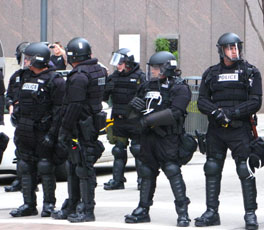
The G20 summit in Pittsburgh has been highly anticipated for the active role it could play in bringing a stable and lasting momentum to the emerging global economic recovery.
I hope China will categorically outline her stance on vital international issues. I would be totally disappointed if deliberations after this UN summits turn out to be "the same old wine in old cups."
|
       |
主站蜘蛛池模板: 久久99精品国产麻豆婷婷| 自拍视频在线观看三级| 中文字幕人妻无码一区二区三区| 亚洲国产成人综合熟女| 夜夜高潮夜夜爽夜夜爱爱| 国产一区日韩二区欧美三区| 精品国产三级a∨在线欧美| 国产九九视频一区二区三区| 欧美牲交a欧美牲交aⅴ免费真| 亚洲国产精品久久久天堂麻豆宅男| 亚洲深夜精品在线观看| 亚洲 日本 欧洲 欧美 视频| 一级国产在线观看高清| 免费高潮了好湿h视频| 国产经典三级在线| 香港日本三级亚洲三级| 亚洲国产精品无码久久一线| 九九热精品视频在线免费| 国产又猛又爽又黄视频| 97精品国产91久久久久久久| 男人进女人下部全黄大色视频| 99久久精品午夜一区二区| 天天做天天爱夜夜爽导航| 少妇人妻呻呤| 日韩一区二区三区日韩精品| 国产精品亚洲av三区色| 久播影院无码中文字幕| 亚洲成人av综合一区| 亚洲av影院一区二区三区| 亚洲一区成人av在线| 人妻少妇偷人无码视频| 亚洲www永久成人网站| 人妻少妇精品视频专区| 国产亚洲一区二区三区啪| 久久青青草原亚洲AV无码麻豆| 一区二区三区精品偷拍| 国产成人亚洲综合| 精品国产粉嫩内射白浆内射双马尾| 人妻系列中文字幕精品| 人妻大胸奶水2| 四虎永久精品在线视频|