|
|

NPC & CPPCC Annual Sessions > Biz & Economy > News
|
Transparency key to budget system reformBy Qin Xiaoying (China Daily)
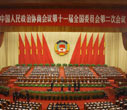
Updated: 2009-02-10 07:49 For many years in the past, the public had been in the dark about government budget, knowing little about how it was laid out and how the money was spent. At the annual National People's Congress (NPC), the country's top legislature, part of whose work is to review and vote the central budget for the next fiscal year, and at People's Congress gatherings held by local governments, even deputies have great difficulty in understanding the lengthy and technically-worded budgetary report within such a short period. However, this has not stopped information-hungry people from taking an increasing interest in the financial ways of the central and local governments. With the robust development of various communication means in the country, a wide range of issues relating to the country's budgets are now openly debated by the public. The issues range from government spending on education to whether the country's disaster relief funds are put in the right place and effectively used, to how much of the country's $586 billion stimulus package aimed at economic revival is to be spent on infrastructure construction and to whether expenditures by central and local governments are reasonable. This is an unequivocal indication of Chinese people's increasing awareness as taxpayers and their increasing concerns over the distribution of national wealth. It also best demonstrates Chinese people's growing desire to enjoy larger access to more government information and their rights to carry out necessary supervision in the form of a civic society.
There is no doubt that the ever-growing interest and concern among the public over government budgetary information are linked to the ushering in of the country's reforms. A more open and transparent budgetary system has become a focal point of attention for the whole society. A regulation on openness of government information was promulgated by the State Council, the cabinet, as early as two years ago and took effect last May. The document explicitly states that governments at various levels should voluntarily make public their budgetary reports and final accounts. This indicates the Chinese government has been well aware that it is its most basic responsibility and obligation to make public the financial budget in a taxpaying era. In recent years, public finance has become a household term throughout the country. But the realization of such a goal requires extensive public participation and monitoring. An effective and extensive public participation and oversight, however, depend on openness and transparency of the country's financial budgetary system. Certainly, a large number of difficulties and problems are expected to emerge in the country's application of the principle of budgetary openness. Because of their technical nature as well as the large volume of materials involved, a lot of budgetary reports submitted by governments at various levels to the People's Congresses at the same level are usually difficult to be effectively reviewed or understood within a short period. Also, without special knowledge or certain academic background, most of deputies are usually unable to make an effective and thorough review of the jargon-filled budgetary reports read to them in a dull tone. To overcome these systematic obstacles, a number of regulations concerning the National People's Congress system should be improved or revised. A short-term and long-term revision and designing program needs to be evolved. It could help the People's Congress system play its pivotal role as the monitor in the review of budgetary reports by governments at different levels. The great efforts to push for information openness have come along with the country's efforts to set up an open and transparent budgetary system and push forward reforms of democracy and legal reconstruction. Together these fully indicate the country's commitment to deepen its reforms of economic and political systems. In recent years, the frequently exposed budget problems have pointed to the existing loopholes in the budget drafting and supervision system. The insufficient budget for education, housing and medical care has provoked public controversies. Also, banquets and tours funded with public money as well as the unrestrained use of government vehicles have remained a long-standing issues of public discontent. All these problems should be attributed to the lack of the public voice in the country's budgetary management and supervision. To reverse this , the country should try to reform its budget system and push for an effective mechanism for its future economic and political reform packages. There is no doubt that viable budgetary reforms will not only reflect the essence of people's democracy, but will also serve as an important part in the push for a corruption-free, clean government. A scientific and highly efficient budgetary arrangement is expected to help the country overcome its current fund shortage in the context of the ongoing global financial crisis. It will also help effective coordination of the interests of various parties and promote a harmonious development of the society. Last spring, Premier Wen Jiabao promised to push for reforms of the country's financial systems and serve the people better by using taxpayers' money more effectively. One of the challenges of 2009 would be to develop such reforms into a powerful force to boost the development of the country's economy and society. The author is a researcher with China Foundation for International and Strategic Studies.
|
       |
主站蜘蛛池模板: 自偷自拍亚洲综合精品第一页| 国精产品一二三区精华液| 香蕉乱码成人久久天堂爱| 久久国产一区二区三区| 99热这里都是国产精品| 国产精品美女久久久久久麻豆 | 亚洲欧洲综合| 国产精品美女www爽爽爽视频| 久青草久青草视频在线观看| 亚洲AV日韩AV综合在线观看| 国产乱人伦AV在线麻豆A| 综合国产综合亚洲综合| 婷婷色爱区综合五月激情韩国| 国产乱码一区二区三区免费| 精品无码国产污污污免费| 桃花社区在线播放| 在线播放亚洲成人av| 亚洲乱码一卡二卡卡3卡4卡| 亚洲av一区二区在线看| 亚洲爆乳大丰满无码专区| 你懂的视频在线一区二区| 国产SUV精品一区二区6| 亚洲精品综合网二三区| 四川丰满少妇无套内谢| 亚洲 av 制服| 国产一级av在线播放| 国产又大又黑又粗免费视频| 亚洲国产成人无码av在线播放 | 成av免费大片黄在线观看| 日本中文一二区有码在线| 无码专区视频精品老司机 | 日本一区二区视频在线播放| 东京热一精品无码av| 超碰国产一区二区三区| 成人国产精品中文字幕| 国产精品尤物在线| 日本一码二码三码的区分| 久久亚洲国产成人精品v| 中文字幕国产精品一区二| 人妻互换一二三区激情视频| 国产精品一区二区传媒蜜臀|