



Bridging East and West for a cure
As development of traditional Chinese medicine gains steam, it is striving for wider recognition through established practices and high healthcare standards. As Iris Muk reports, Hong Kong, with its rich TCM heritage, aims to be a global hub for the therapy's modernization and internationalization.







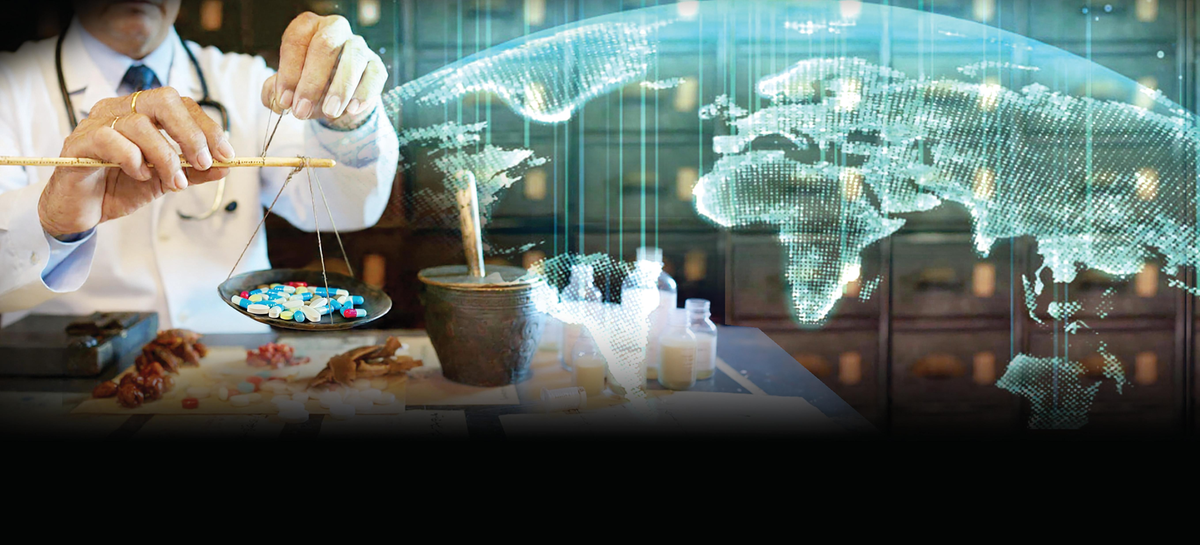
After undergoing Western medical treatment, Chris Li was relieved to find his tests for COVID-19 showing up negative. But despite a gradual recovery, the symptoms associated with "long COVID" persisted for weeks, even months — a stubborn cough, a parched throat, and phlegm that he struggled to clear from his respiratory passages.
Although the symptoms gradually began to wane, fatigue crept in, casting a shadow over Li's daily life. Seeking further relief, he decided to try traditional Chinese medicine.
In TCM, coughs are classified by their causes — cold or heat affecting the lungs, mucus buildup, dryness or deficiency in lung energy. Each type requires treatment tailored to specific symptoms. Through a prescription that's suitable for Li's condition, his cough eased significantly and his fatigue lifted, offering him a renewed sense of vitality.
To Li, the benefits of integrating Chinese and Western medical treatment have become obvious. He's among a growing number of people who've switched to TCM for medical care as the complementary advantages of the Chinese therapy and Western medicine gain growing recognition.
Hong Kong, boasting a profound TCM heritage, unimpeded access to global capital and cutting-edge technologies, as well as extensive links to international markets, is well placed to be a global hub for modernizing and internationalizing TCM, bridging time-honored practices with global healthcare standards, and facilitating cross-border collaboration in TCM research, development and commercialization.
In his 2025 Policy Address, Chief Executive John Lee Ka-chiu unveiled significant measures to advance the TCM industry, including the inauguration of the Chinese Medicine Hospital of Hong Kong (CMHHK) and the permanent building of the Government Chinese Medicines Testing Institute. With a combined area exceeding 60,000 square meters, these facilities began initial operations last month.
At the launch ceremony for this integrated hub on Tuesday, Lee emphasized the government's commitment to fostering the high-quality development of TCM. He cited Hong Kong's unique position, bolstered by robust support from the Chinese mainland, while also maintaining strong connections to the global market under the "one country, two systems" principle. These advantages will "establish Hong Kong as a bridgehead for TCM to go global", Lee said.
The HKSAR government also launched the Chinese Medicine Development Blueprint, laying out short, medium and long-term objectives and action plans for the industry's growth, marking the city's first policy document for TCM to develop.
The SAR government is placing particular emphasis on enhancing the regulatory framework and promoting high healthcare standards to raise TCM's standing within the global traditional medicine community.
By integrating traditional edges with modern technology, the blueprint envisions that innovative breakthroughs in TCM's modernization can be made through technological application to amplify its value to the public's health.
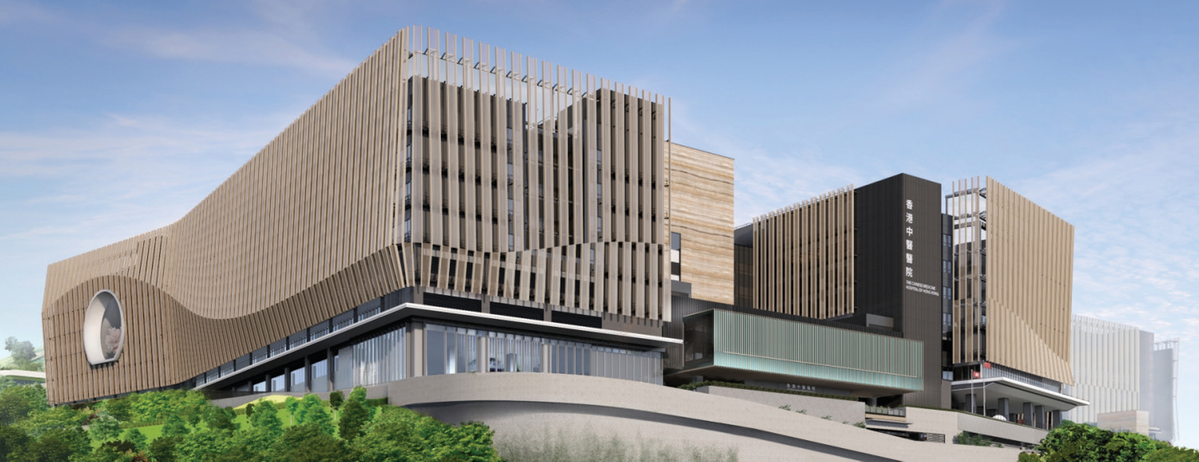
Modernizing TCM
Modernization is an essential and inevitable aspect of TCM's development, as it not only preserves its heritage, but also enhances its relevance and effectiveness in today's healthcare landscape.
Shen Qianyi, a Shenzhen-based renowned traditional Chinese physician who co-authored Notes on Traditional Chinese Medicine Treatment of Epidemics, says modernizing TCM encompasses advancements in form, accessibility and public perception.
In his view, traditional preparation methods, like decoctions, are being replaced by more efficient forms, such as concentrated Chinese medicine granules. Technological innovations have improved the cultivation and extraction of rare medicinal materials, preserving endangered species and making TCM more accessible to a broader population.
"Meanwhile, people's perception of TCM is evolving, reflecting growing cultural confidence, as we adapt and integrate this ancient practice into modern healthcare," says Shen.
Amid the advent of artificial intelligence and other new technologies, modernizing the traditional industry is accelerating. AI algorithms can analyze large amounts of complex medical data, identify patterns and trends, and provide insights that help physicians make more informed decisions. By applying contemporary scientific methods, researchers can discover new applications for traditional remedies and explore the therapeutic potential of previous techniques.
Digitalization has transformed TCM practices into an evidence-based framework, creating a database that can be utilized and analyzed with modern technologies, says Chiang Chun-yuan, vice-chairman of the Center for China and Globalization, and an adviser to The University of Hong Kong's School of Chinese Medicine.
In TCM quality control, he advocates adopting a new complementary approach based on the "spectrum-effect relationship", which analyzes a range of ingredients in a medicinal material sample and correlates compounds with their effects, explaining how complex mixtures produce effects. By screening active ingredients, the method could help reflect the internal quality of Chinese medicinal materials.
AI applications can also process big data to map interactions between medicinal compounds and their functional effects on the human body, leading to a more empowered approach to healthcare advancement, Chiang explains.
Andy Du Hao, co-founder and chief executive officer of Ginpact Health Hong Kong which focuses on enhancing the extraction efficiency of rare Chinese medicinal materials, such as wild ginseng, through bioconversion technologies, says successful modernization depends on fostering cross-disciplinary collaboration among scientists, medical professionals, communication experts, businesspeople and investors.
"One of the challenges is the varying understandings of TCM modernization across different fields," he says, highlighting the need for a more unified and comprehensive dialogue.
As TCM adopts modern systems and technologies, Chiang says the Western life science community is increasingly accepting the idea that "food is medicine". The concept acknowledges the medicinal potential of food which is also the main component of TCM prescriptions.
"We're living in an age where Western and Eastern medicine meet. It's a trending topic, especially after COVID-19, because during the pandemic, many people around the world had benefited from these traditional therapies," he says.
However, widespread global recognition is still a long way off. TCM is struggling to gain international recognition, largely due to the differences between its cultural and theoretical frameworks and the principles of Western evidence-based medicine.
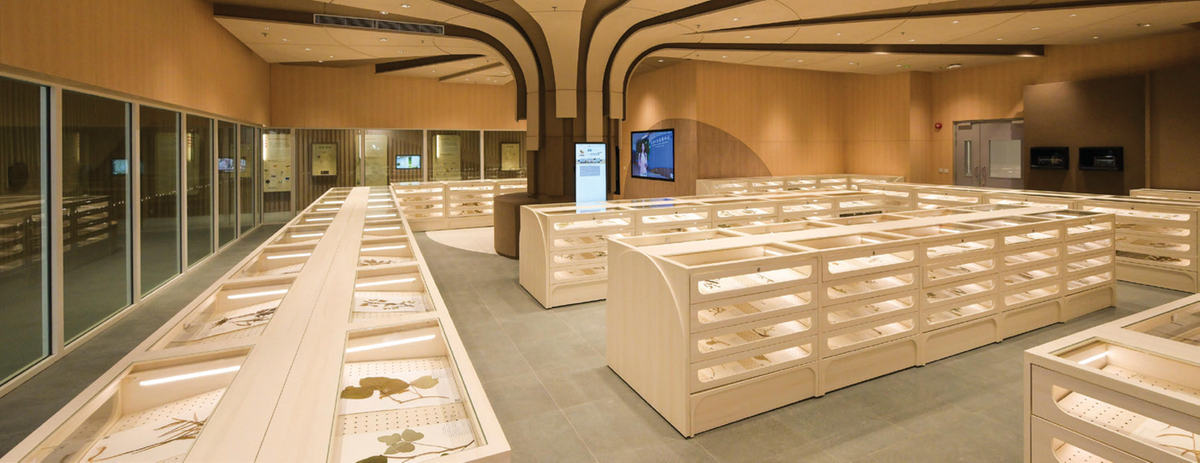
Building a bridge
Hong Kong could play a significant role in promoting understanding between East and West, thereby narrowing the gap, given its unique role as a bridge between Chinese traditions and global standards, says Du.
While Hong Kong boasts distinct advantages, regional collaboration in the Guangdong-Hong Kong-Macao Greater Bay Area has emerged as a critical catalyst in unlocking TCM's full potential.
"The Greater Bay Area's policy and innovation ecosystem supports the biotech value chain — from research and product design to commercialization and market expansion," Du says.
Claire Hao Wangjun, general manager of health products at PuraPharm International (HK) and executive committee member of the Modernized Chinese Medicine International Association, notes that the mainland, especially Guangdong province, has a strong foundation in TCM, and is a major market for proprietary Chinese medicine (pCm) — products made from TCM ingredients and formulas — from Hong Kong. It also offers valuable opportunities to implement Hong Kong's medical research achievements, contributing to the growth of the TCM ecosystem.
According to a report by the Hong Kong Trade Development Council in July last year, the mainland is Hong Kong's largest market for pCm, accounting for over 70 percent of the SAR's pCm exports, with a market that has surpassed 450 billion yuan ($64.49 billion).
"Hong Kong's pCm is highly regarded in southern China and the overseas Chinese communities," says Wing Chu, principal economist with the HKTDC's Greater China research team.
To better unleash the Greater Bay Area's potential in the TCM business, the region had been implementing a plan jointly issued in 2020 by the National Administration of Traditional Chinese Medicine, the office of the leading group for the development of the Greater Bay Area and the People's Government of Guangdong province, aiming to turn the region into a highland for TCM.
Key initiatives include streamlining the registration process for medicines from Hong Kong and Macao on the mainland, and encouraging TCM practitioners from the two SARs to practice in mainland hospitals. The plan also aims to bolster TCM's overall capabilities and global competitiveness by building a batch of TCM hospitals in the region. The CMHHK, which began operating last month, is one of them and is expected to serve 400,000 outpatients annually and accommodate 400 patient beds by late 2030.
Among its goals, the new facility will help TCM services go global, contributing to the industry's national development.
Chiang says Hong Kong's healthcare standards are internationally recognized. The opening of the CMHHK will further facilitate the integration of Chinese and Western medical treatments.
By providing more effective and comprehensive health services, the platform could also support the global dissemination of TCM practices and products, contributing to its internationalization and industrialization.
Contact the writer at irismuk@chinadailyhk.com


- Wuxi High-Tech Zone launches supportive policies for OpenClaw project
- Prosecutors in action: Innovation thrives when rights are protected
- China's five-year roadmap bets big on innovation in strategic leap
- Remains of senior Chinese official Song Ping cremated
- Chinese scientists develop 'molecular bridge' to boost cancer treatment
- Innovative courses enrich seniors' lives in Shanghai





