Tariffs proving costly for US and partners







The consequences of the US tariff policy tell a more complicated story of the global economy.
Customs revenues have indeed ballooned after the increase in tariffs, but the budget deficit has not declined. The US fiscal year, which runs from Oct 1 to Sept 30, ended with a deficit of $1.8 trillion, or about 5.9 percent of the GDP. Revenues shot up 153 percent, from $77 billion to $195 billion. But the budget deficit was more than 15 times larger than this $118 billion in additional revenue, so the impact was negligible. Clearly, the US' idea of reducing the budget deficit by growing revenues from the new tariffs has failed.
Total US budget revenues increased by 6 percent, supported by a 10 percent increase in personal income tax revenues. Corporate income tax revenues, however, fell by 15 percent. Budget spending grew by 3 percent, driven largely by an 8 percent rise in social spending. Social spending is the biggest expenditure in the US and now accounts for over 22 percent of total expenditure. Debt servicing, the second-largest expenditure, rose by 8 percent to cross, for the first time, the $1 trillion mark.
A report by Goldman Sachs estimates that by the end of the year, 55 percent of the tariff costs will be paid by US consumers, 22 percent by US companies, 18 percent by foreign exporters and 5 percent will be avoided. According to Goldman Sachs, the tariffs have raised prices of basic personal consumption items by 0.44 percent this year, and could push inflation to 3 percent by December.
As a result, public sentiment is deteriorating. The University of Michigan's US Consumer Sentiment Index fell from 53.6 in October to 51 in November. The percentage of consumers reporting negative effects of high prices on their personal finances rose for the fifth consecutive month to 47 percent, up from 34 percent in January 2025.
Unemployment expectations also worsened in November, with 69 percent of consumers expecting joblessness to rise in the coming year, compared to 64 percent in October and more than double the 32 percent recorded in November 2024.
The story was different in China. The country maintained its growth momentum, with GDP growing 5.2 percent year-on-year in the first nine months of 2025 to reach 101.5 trillion yuan ($14.35 trillion).
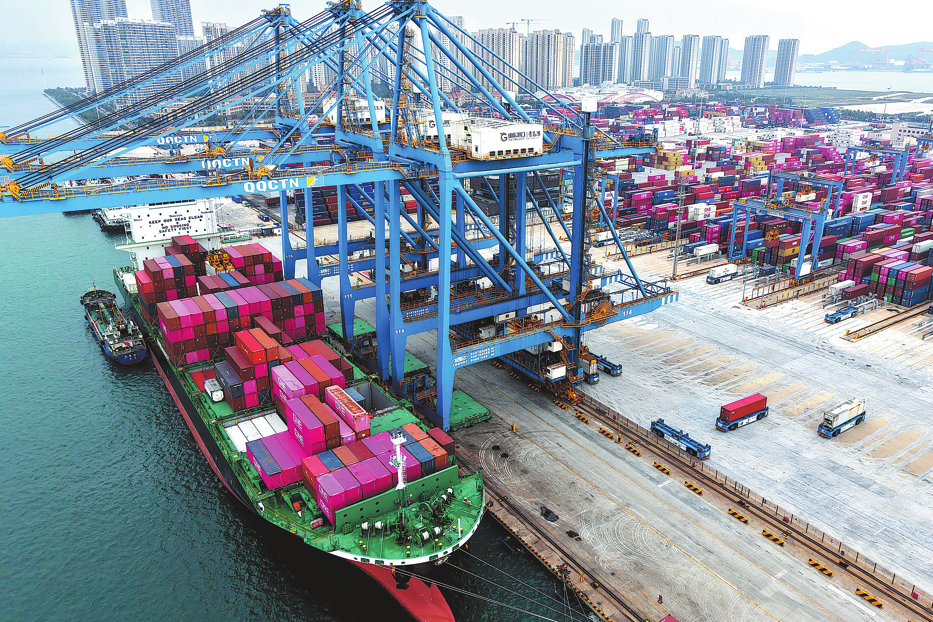
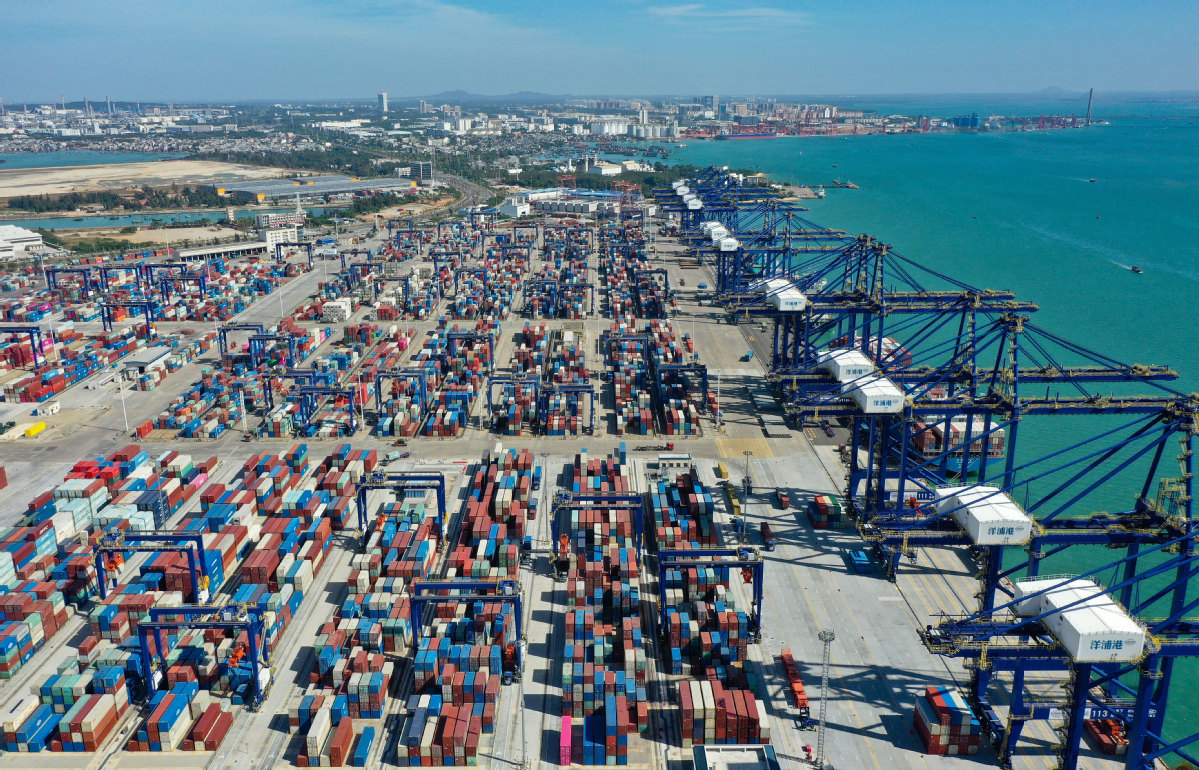
China's foreign trade also maintained stable growth in the first 10 months of 2025. According to the General Administration of Customs, China's total traded value increased 3.6 percent year-on-year to touch 37.31 trillion yuan. ASEAN was China's largest trading partner during this period. The value of its trade with China increased 9.1 percent year-on-year and accounted for 16.6 percent of China's total foreign trade.
Over the 10-month period, China's trade with the European Union increased by 4.9 percent, while China-US trade fell by 15.9 percent. There was also a 5.9 percent rise in China's trade with Belt and Road countries.
In the first 10 months of 2025, China's industrial production grew 6.1 percent compared with the same period of 2024. The rapid growth in industrial production in October is a stabilizing force for the economy and supports China's competitiveness.
The value of China's international trade in goods and services reached nearly 4.29 trillion yuan in October. Electricity consumption in China, a key indicator of economic activity, recorded double-digit growth in October.
The same cannot be said for Europe. The European Commission's Autumn 2025 Economic Forecast shows the bloc registering steady but modest growth. The Commission estimates that the EU GDP will grow by 1.4 percent in 2025, with the eurozone expanding by 1.3 percent, which is slightly lower than earlier projections.
Inflation is expected to ease from 2.6 percent in 2024 to 2.2 percent in 2027. But higher defense spending could push the EU's fiscal deficit from 3.1 percent of the GDP in 2024 to 3.4 percent in 2027. The EU's debt-to-GDP ratio is expected to rise to 85 percent in 2027. In the eurozone, it could grow to 90.4 percent.
Europe's carmakers are feeling the strain most acutely. Operating profits of Volkswagen, Europe's largest car manufacturer, fell 58 percent to 5.4 billion euros ($6.29 billion) in the first three quarters, while car sales in North America declined 11 percent. The higher US tariffs burdened the group by as much as 5 billion euros on a full-year basis. Similarly, the net profit of Mercedes-Benz in the first nine months declined 50 percent to 3.88 billion euros compared with the same period of 2024.
Brussels warns that global trade barriers have climbed to historic highs and the EU now faces higher average US tariffs than previously forecast. The uncertainty on trade policy continues to weigh on economic activity, and could constrain EU growth more than expected. Any escalation in geopolitical tensions could intensify the supply shocks.
The World Trade Organization has upgraded its forecast for global trade growth in 2025 to 2.4 percent but warned that the outlook for 2026 has deteriorated sharply. As the full impact of the tariffs plays out in 2026, trade volume growth is expected to fall to 0.5 percent.

The views don't necessarily reflect those of China Daily.
If you have a specific expertise, or would like to share your thought about our stories, then send us your writings at opinion@chinadaily.com.cn, and comment@chinadaily.com.cn.