



European countries 'weak' on immigration: Trump







United States President Donald Trump has condemned European leaders as "weak" on immigration and criticized their efforts to end the conflict in Ukraine.
"Decaying" European countries had failed to control migration or act decisively to end the Russia-Ukraine conflict, Trump said in an interview with Politico published on Tuesday.
"Europe doesn't know what to do," he said. "They want to be politically correct, and it makes them weak. That's what makes them weak."
His comments widen a rift between the US and some of its oldest allies over a US-led peace plan for the conflict that many in Europe fear would force Ukraine to cede territory to Russia.
"They talk, but they don't produce," Trump said. "And the war just keeps going on and on. I mean, four years now it's been going on, long before I got here."
He urged Ukrainian President Volodymyr Zelensky to agree to a peace deal and "play ball" by ceding territory to Russia.
In response, the United Kingdom's Foreign Secretary Yvette Cooper said all she saw in Europe was "strength", citing investment in defense and funding for Kyiv, reported the BBC.
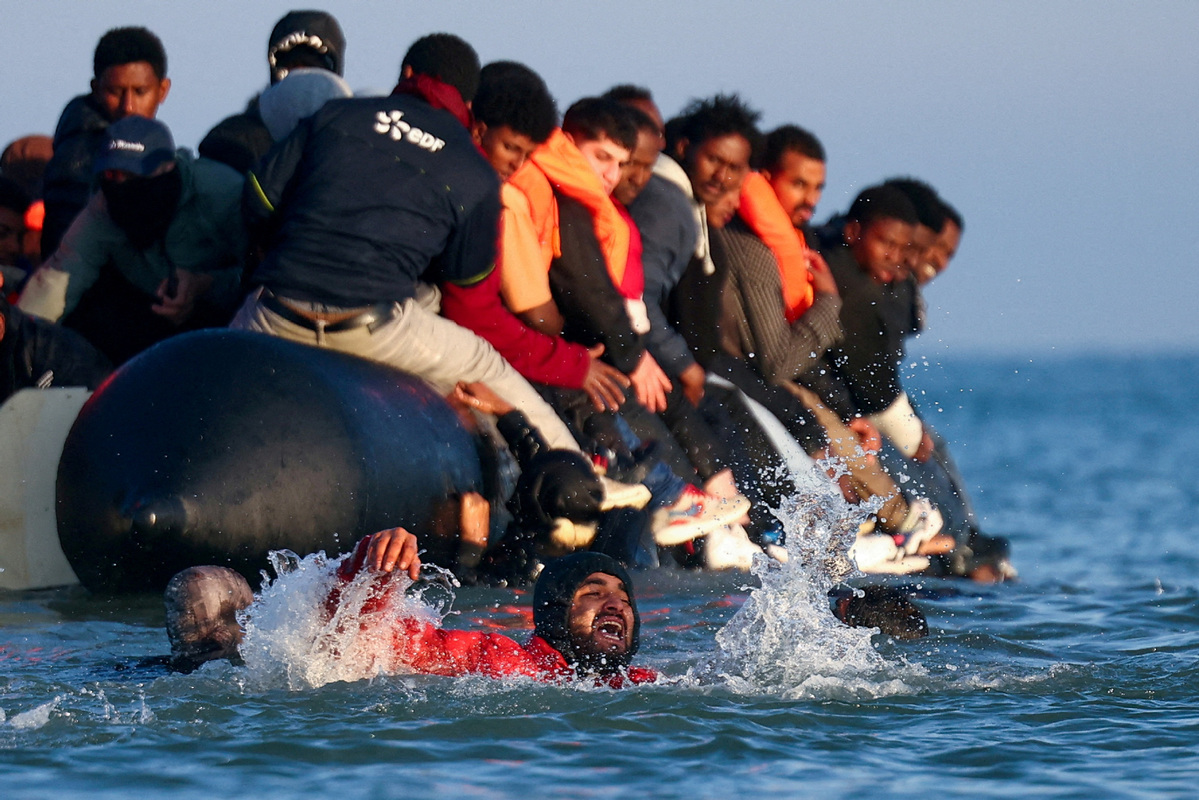
Delivering a sharp rebuke of Europe's immigration policies, Trump said it was now a "different place".
"And if it keeps going the way it's going ... many of those countries will not be viable countries any longer. Their immigration policy is a disaster," he said.
He singled out London and directed particularly strong criticism at Sadiq Khan, the city's first Muslim mayor. "I think he's done a terrible job. London's a different place."
Khan told Politico that Trump was "obsessed" with him, saying US citizens were "flocking" to live in London.
Trump's remarks mirrored themes in the new US security strategy released last week, which had already caused alarm among European leaders.
The document called for "cultivating resistance" in Europe on migration and warned of "civilizational erasure". It said it sees the growing influence of "patriotic European parties" as a cause for "great optimism".
European Council President Antonio Costa said on Monday that while disagreements with the US are normal, the new strategy crosses a line by threatening interference in Europe's politics.
Germany's Chancellor Friedrich Merz said on Tuesday that some of the document's contents were unacceptable from a European point of view.
"I see no need for America to want to save democracy in Europe. If it was necessary to save it, we would manage it on our own," he told a news conference. "I say in my discussions with the Americans, 'America first' is fine, but America alone cannot be in your interests."










