Census finds 103 fish species in Haihe River's main stream
E-DNA technology used to map aquatic life, inform conservation efforts








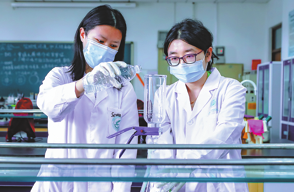
A research team in Tianjin recently completed a fish census of the main stream of the Haihe River, identifying over 100 fish species and creating a "population map" of the river's aquatic life.
The Haihe River, one of China's seven major river systems, flows through eight provincial-level administrative regions and municipalities, including Tianjin, Beijing and Hebei province. It serves vital roles in shipping, flood control and water supply, while also nurturing rich aquatic biodiversity.
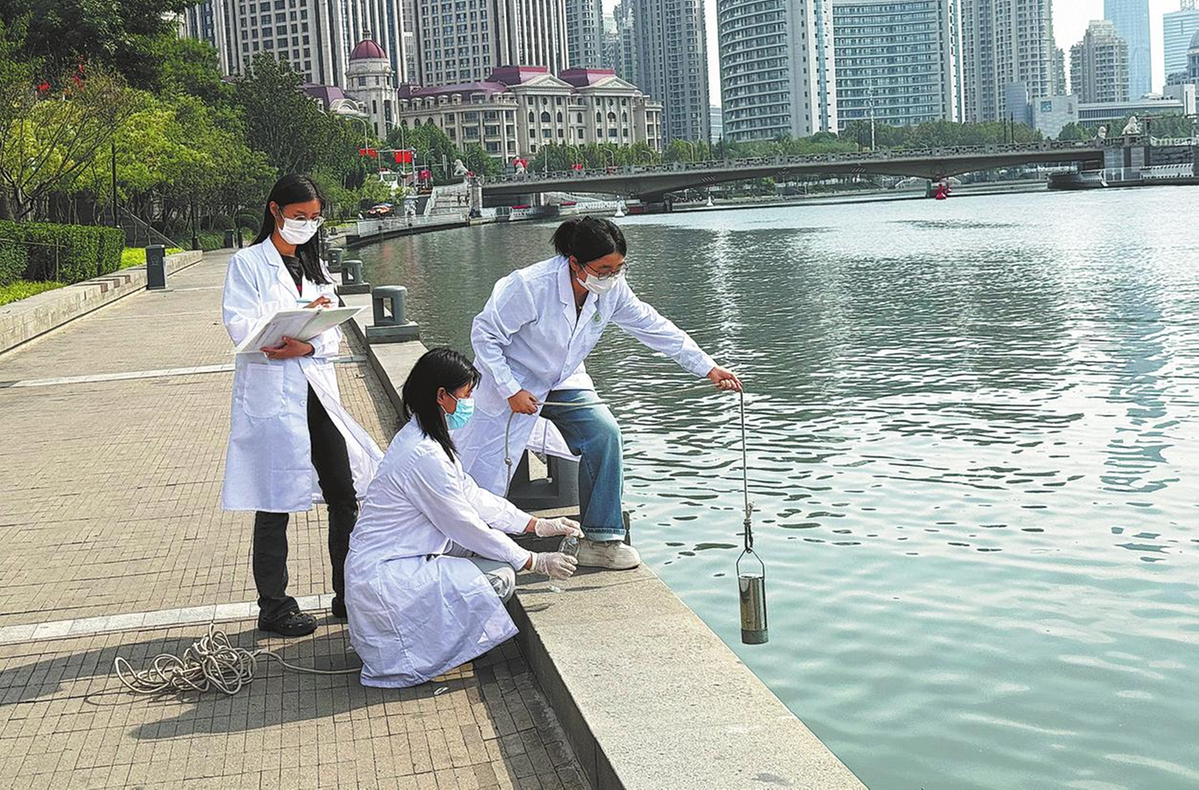
To study the diversity of fish in the main stream of the river, the Wildlife Resource Conservation Research Team from Tianjin Normal University conducted a yearlong survey. They established 12 sampling points along the river for underwater monitoring to complete the fish census.
Professor Zhao Dapeng, the team leader, said, "In the ecosystem, fish play a crucial role. They are key components of the aquatic food chain and serve irreplaceable functions in maintaining ecological balance and promoting biodiversity. Moreover, fish are highly sensitive to changes in their living environment, making them important indicators for assessing water ecological quality."
Traditional fish monitoring methods often rely on fishing. "Fishing sampling can impact fish populations and even disrupt the ecological balance in local waters," Zhao said. "To minimize environmental interference, we introduced internationally advanced environmental DNA technology for the first time, achieving a zero-interference objective."
E-DNA technology involves collecting DNA-containing materials such as fish scales and mucus from water samples. Specific DNA sequences are then analyzed using professional methods to identify fish species. "This technology acts like an underwater detective. By collecting just a small amount of water, we can capture fish DNA and identify species, making the process both efficient and eco-friendly," Zhao explained.
Wu Hong, a team member, said: "We used data to unveil the mysteries of the Haihe River's underwater world. This census has, for the first time, clearly presented the 'survival map' of fish in the Haihe. A total of 103 fish species were discovered, belonging to 17 orders, 29 families, and 64 genera, showcasing a vibrant community and the robust ecological vitality of the river's main stream."
Through further analysis of the census data, the team also identified variations in fish populations under different environmental conditions.
"Cyprinids dominate the diverse community, with the silver carp being the most stable species due to their high reproduction rate and environmental resilience," Wu said.
The team also found that seasonal changes affect fish species and quantities. Data indicate that autumn is the season which hosts the richest fish resources in the Haihe with 75 species, while spring has the fewest.
Professor Dong Shi, chairman of the Tianjin Fisheries Association, explained: "In the cold winter, water temperatures in the Haihe drop sharply, and most fish species become almost inactive. The silver carp, with its exceptional cold resistance, accounts for up to 89.94 percent of the population during this time. In spring, as water temperatures gradually rise, most fish have not fully begun their reproductive cycles, leading to a slow recovery in population numbers. Summer and autumn see vigorous activity and feeding, boosting species counts."
In addition to technological methods, Zhao said: "In Tianjin, many residents enjoy fishing by the river. We surveyed anglers, gathering extensive data and public suggestions for protecting the 'mother river'. This has laid a foundation for subsequent targeted awareness campaigns and conservation efforts." Questionnaire results showed that most citizens recognize fish as ecological barometers and expressed a desire to contribute more to protecting the "mother river".
"This fish census not only fills gaps in data on the Haihe River fish but also reminds us that the status of fish serves as a 'barometer' of the Haihe's ecology," Wu said.
"In the past, the Haihe River management focused more on basic tasks such as achieving water quality standards and flood control. While there is still room for improvement in holistic ecosystem protection, this census has deepened our understanding that ecological governance must incorporate the survival needs of aquatic life into overall planning to steer the Haihe ecosystem toward a sustainable and vibrant future."
Regarding future plans for fish resource research, Wu said that building on the preliminary monitoring of the Haihe's main stream, they will further focus on ecologically representative fish species to provide a scientific basis for developing more precise conservation strategies.
Meanwhile, the monitoring scope will expand to include major tributaries such as the Ziya River, offering comprehensive data support for basin-wide fish resource protection.
In the near future, the team will continue applying environmental DNA technology, extending research to wildlife resource monitoring.
"We are about to launch wildlife resource monitoring in Tianjin, Beijing and Hebei, establishing intercity 'ecological corridors'. This will provide data support and technical guidance for the coordinated protection of wildlife in the Beijing-Tianjin-Hebei region, jointly safeguarding North China's ecological security," Zhao said.
Zang Yifan and Chen Yijun contributed to this story.





Today's Top News
- Beijing responds to US tariff threat regarding Iran
- 2025 in review: Resilience amid headwinds
- Economy, ecology flow together in Yangtze Delta
- Xi: Advance rigorous Party self-governance
- Pricing deal to avoid EU tariffs on Chinese EVs
- Anti-corruption efforts focus more on work conduct issues