



Heritage agriculture can grow as a climate solution







In the 18th century, a series of volcanic eruptions turned the fertile fields of Lanzarote, the easternmost of Spain's Canary Islands, into a desert of black ash. Instead of abandoning the land, farmers adapted. They carved hollows in the volcanic gravel to guard their crops from wind and layered them with fine ash to capture moisture and enrich the soil. Generations later, the same techniques sustain Lanzarote's vineyards, producing grapes with minimal irrigation in one of Europe's driest regions and showing that traditional knowledge can be a powerful tool for climate resilience.
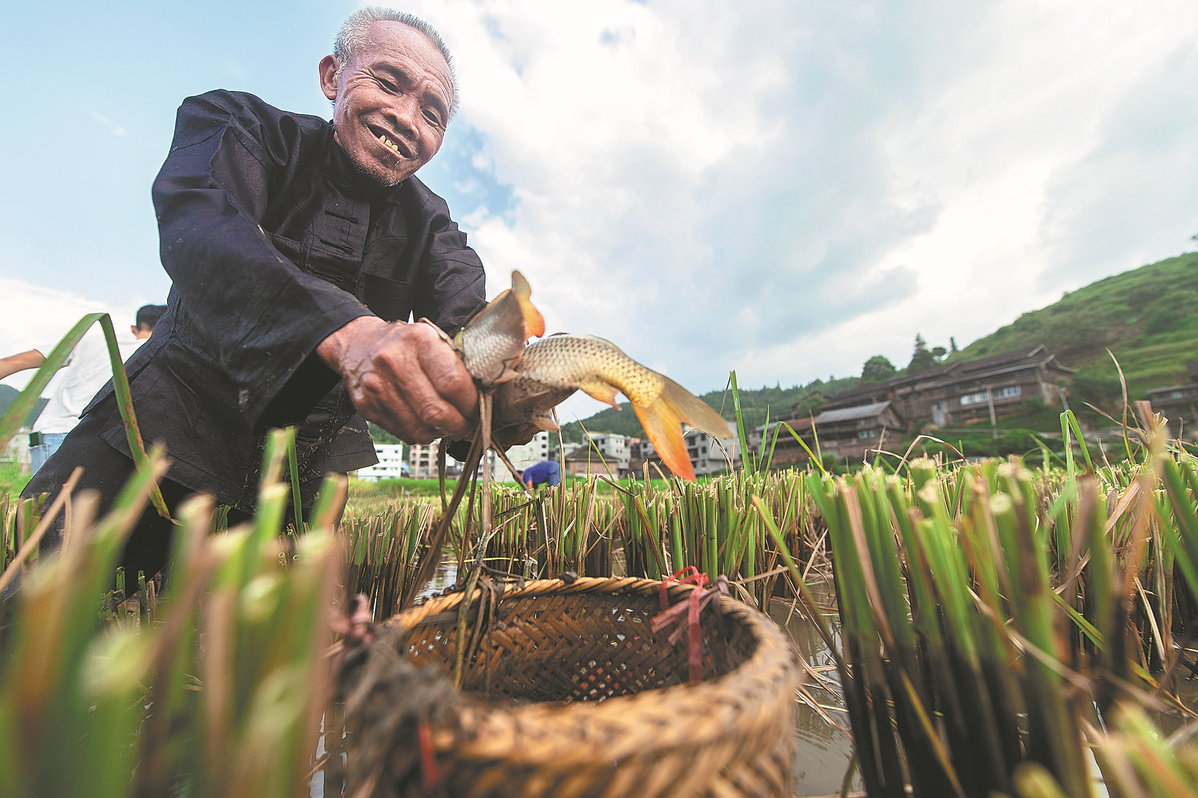
Lanzarote's story is not unique. Around the world, communities have developed similar systems — innovations born from hardship that have endured for centuries. The Food and Agriculture Organization of the United Nations recognizes 102 of them as Globally Important Agricultural Heritage Systems. As the world scrambles for climate solutions, they are a resource hiding in plain sight. From rice terraces to traditional fisheries and agroforestry landscapes, these heritage practices show that adaptation is rooted in generational knowledge that has conserved biodiversity and sustained the land for centuries, offering lessons no high-tech fix alone can provide. Looking back is essential to moving forward on climate adaptation.
One of the clearest examples lies in Mexico City's ancient chinampas, the floating fields of Xochimilco. For more than a thousand years, farmers have built small plots on shallow lakebeds, cultivating mixed crops that yield reliable harvests under challenging conditions. The canals that weave between the fields support aquatic biodiversity, buffer floods, and supply food to local communities, while also anchoring a vibrant ecotourism economy. The system has evolved over centuries, and continues to thrive in one of the most populated cities in the world, despite the threat of urbanization and the climate crisis. The chinampas show how agricultural heritage can support food security and livelihoods while protecting ecosystems – a living model of innovation rather than a relic of the past.
In northern China, the Aohan Dryland Farming System, which has sustained communities for more than 7,500 years, offers another example. On land where water is scarce, farmers rotate food staples with soil-enriching cover plants and grow trees and tall grasses into windbreaks to protect the soil from erosion. They also use pinpoint irrigation techniques that “train” crops to conserve water. This mix of practices not only secures food and livelihoods in a harsh environment, it preserves soil health and biodiversity. As water scarcity intensifies worldwide, Aohan shows how traditional farming can make more with less, while remaining productive for millennia.
From Lanzarote's vineyards to Mexico's chinampas and China's dryland farms, these systems prove that agricultural traditions are as much about preparing for the future as preserving the past. But recognition is not enough. Without ways to track progress and provide support, these practices risk being praised at the expense of protection. To move from celebration to strength, we need a framework that measures how agricultural heritage contributes to biodiversity, food security, sustainable development, and climate adaptation.
The GIAHS programme is closely linked with the FAO Strategy on Mainstreaming of Biodiversity across Agricultural Sectors, the Strategy on Climate Change and the Strategy on Science and Innovation. GIAHS is also intrinsic to the FAO Strategic Framework 2022-31 which is founded on the aspiration of the Four Betters: Better Production, Better Nutrition, a Better Environment and a Better Life — leaving no one behind.
FAO and GIAHS member countries are working together to develop ways to measure outcomes, raise awareness, and attract investment. With the right support, GIAHS can evolve from a conservation effort into a working model for climate resilience, proving that tradition is not only worth preserving, but essential for our shared future.
That opportunity comes into sharp focus this month. On Oct 31, as part of its 80th anniversary, FAO will recognize 28 new agricultural heritage systems across 14 countries, bringing the global total to 102. Each designation is a milestone, but the real test lies in what comes next: whether these sites become living laboratories for climate resilience and food security, backed by investment and long-term support. If they do, agricultural heritage will not only honour the past, but help secure the future of foods in a warming world.
To mark FAO's anniversary, FAO will officially open the doors to the new Food and Agriculture Museum and Network to further consolidate the link between foods, culture and tradition. Through the Museum and Network, FAO will connect and motivate communities, together with Members, partners, and youth, while showcasing an international collection celebrating diverse foods and agriculture traditions. It is a new way to share FAO's mandate for a world free of hunger and malnutrition through knowledge, culture, and innovation, connecting and inspiring a global audience.
The author is director-general of the Food and Agriculture Organization of the United Nations. The views don't necessarily represent those of China Daily.
The views don't necessarily represent those of China Daily.
If you have a specific expertise, or would like to share your thought about our stories, then send us your writings at opinion@chinadaily.com.cn, and comment@chinadaily.com.cn.





