Shared future
Through Bangladesh's effective learning from China and collective vision and efforts of educators, researchers, urban planners and more, it can become the best version of itself








ZHANG YUJUN/FOR CHINA DAILY
The traffic conditions in some parts of Dhaka, capital of Bangladesh, are simply chaotic — broken traffic signals and inadequate services — causing severe social and economic losses. As Bangladesh enters a new phase of its development, people in the country should ask how they can harness the demographic dividend, accelerate inclusive growth and build future-ready systems in a rapidly changing world.
A compelling answer lies in the story of China, which has transformed itself in just a few decades through strategic investments in education, technology and infrastructure, as well as people-centered urban planning.
First, China's progress is deeply rooted in its careful investment in education, especially in science, technology, engineering and mathematics. For instance, in 2024, China's expenditure on education registered a 2-percent rise to reach 4.2 trillion yuan ($588.2 billion). There has been a notable increase in investment in higher education, which provides a continuous stream of talent to support the economy's high-quality development.
Besides, the China National Academy of Educational Sciences established the STEM Education Research Center in June 2017. From primary schools to postgraduate research institutes, China has embedded innovation, experimentation and industry relevance into its academic culture. At a university in Guangzhou, I saw students not just attending lectures but also actively working in state-of-the-art labs, partnering with companies on research and even launching startups from campus. It's a model that blends theory with practice — one that Bangladesh should work toward.
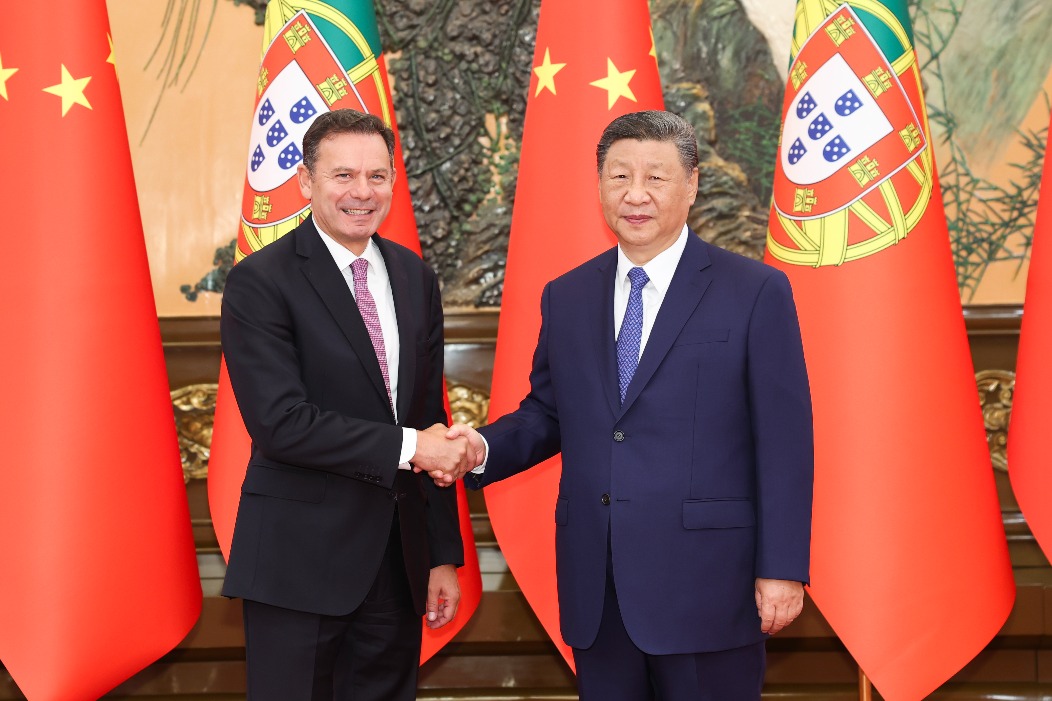
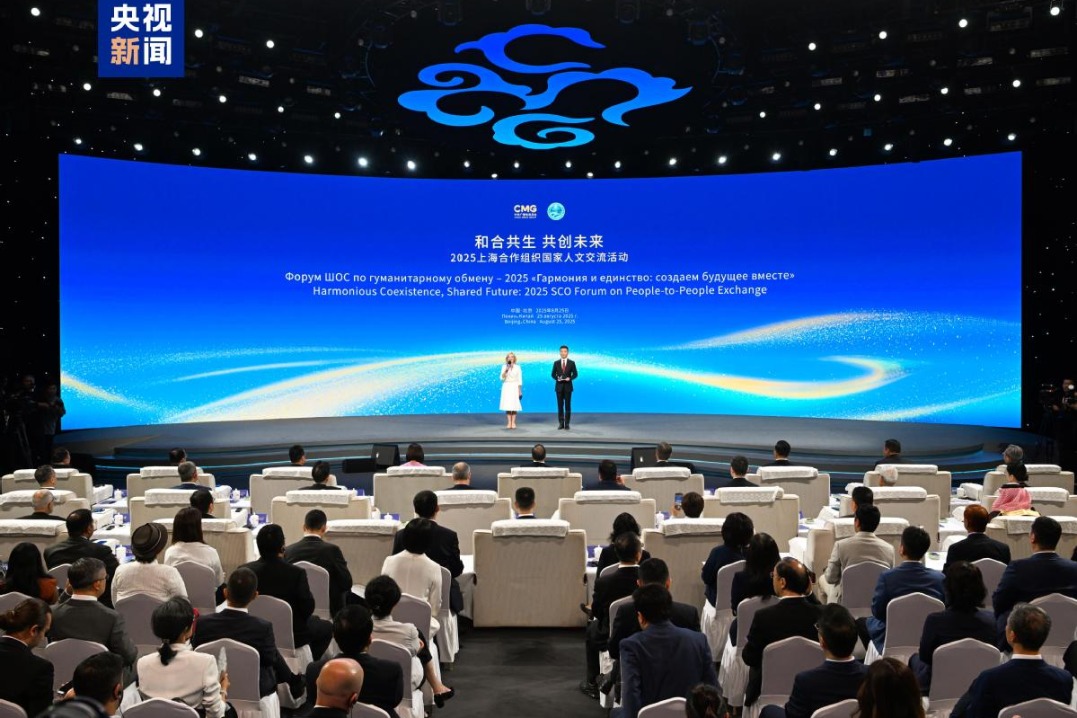
Unfortunately, most universities in Bangladesh still operate in silos. One way forward is to forge stronger ties between Bangladeshi and Chinese institutions. Joint degree programs, research collaborations, technology transfer and faculty exchanges should be a key part of the country's higher education strategy. In July 2024, China released a statement on establishing a comprehensive strategic cooperative partnership with Bangladesh. And China plans to construct a Luban Workshop — the vocational education brand that China runs to offer skills training, Mandarin study and job opportunities in foreign countries — in Bangladesh. Moreover, the year of 2025 has been designated as the Bangladesh-China Year of People-to-People Exchanges, aiming to facilitate interactive exchanges in the fields of humanities and culture between the two countries. Such collaborations can also extend to skills development centers, especially outside Dhaka, to ensure broader access to quality learning.
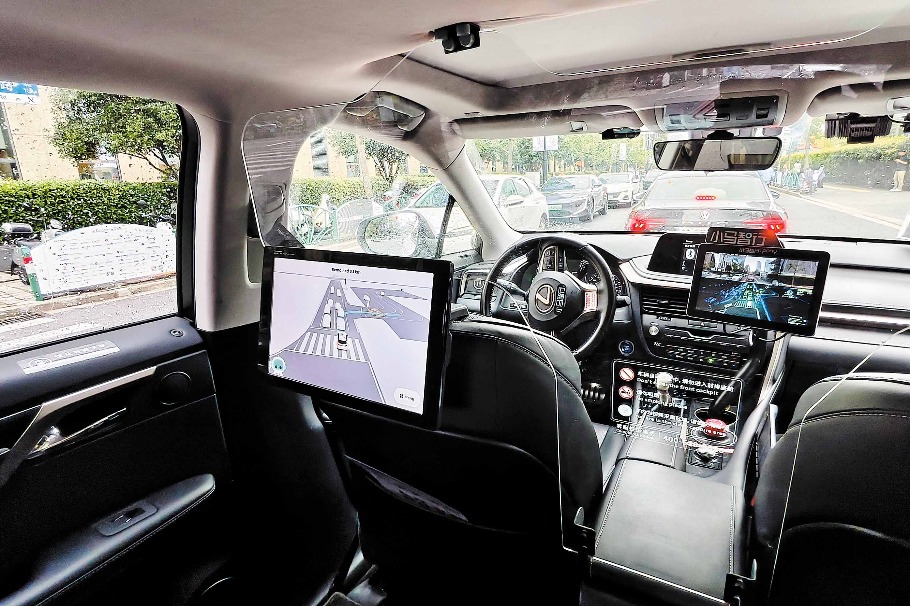
Second, technology and artificial intelligence have been central to China's transformation. For example, China Mobile launched a "5G+AI+Beidou" smart highway inspection model with the Dezhou Highway Development Center. These initiatives are driving the comprehensive upgrading of smart transportation services.
As this year marks the 50th anniversary of the establishment of diplomatic ties between Bangladesh and China. Within the framework of the Bangladesh-China comprehensive strategic cooperative partnership, the two countries can work together to enhance their digital economy cooperation, support the development of Bangladesh's digital, information and communications technology industries and infrastructure, and implement an international information industry and digital trade port project to promote the digitalization of bilateral trade. The United Nations has included the South Asia Subregional Economic Cooperation Chittagong-Cox's Bazar Railway Project in Bangladesh — jointly built with the China Railway Group — in its list of 2025 Global Sustainable Transport Best Practices. The project is expected to significantly boost economic development in Bangladesh and the broader South Asian region.
In the next 50 years, it is necessary for Bangladesh to jointly develop technology with China rather than merely importing it. Bangladesh must not only retain value but also grow local talent and generate employment.
Bangladesh also needs to empower its young people to become innovators, not just users of technology. Through mentorship, innovation hubs and a Bangladesh-China startup bridge, young entrepreneurs can access the capital, guidance and networks they need to scale their ideas.
Last but not least, Chinese cities also offer Bangladesh experience in urban planning. In China, air quality was good on 87.2 percent of days in a year in cities at or above the prefectural level in 2024. Urban green coverage rate reached 43.3 percent in the same year. From 2019 to 2024, 280,000 old residential communities were renovated, benefiting over 120 million residents.
This is a country where cities are planned around people, sustainability and efficiency. Parks, public spaces, walkways and waste management systems are designed to serve communities, not just elites. Mixed-use urban zones are combined with housing, shopping, recreation and public transport in a compact, eco-friendly design. Smart lighting, waste segregation, green buildings and efficient energy use are built into the urban fabric.
In contrast, Bangladesh is still vulnerable to climate change. Forest cover dropped by 2 percent from 1990 to 2020, with severe environmental degradation and pollution. To reverse this, Bangladesh must go beyond short-term real estate incentives and develop a long-term vision for sustainable, inclusive urban spaces.
In this sense, Bangladesh can cooperate with China to advance local clean drainage, waste treatment and sewage network projects, including the Dasherkandi Sewage Treatment Plant. Through collaboration with Chinese urban development institutes and investment in training city planners, Bangladesh can adopt and adapt models of green city design. Pilot projects in secondary cities, such as Khulna, Barishal and Sylhet, focusing on walkability, water management and smart utilities, can further emphasize that sustainable urbanization is possible beyond Dhaka.
For Bangladesh, the takeaway is simple but powerful. It doesn't need to become another China. Through effective learning from China, it can become the best version of itself — smart, inclusive, green and future-ready. That transformation cannot come from the government alone. It requires the collective vision and efforts of educators, researchers, health workers, technologists, urban planners and citizens.

The author is a journalist at The Daily Star, Bangladesh. The author contributed this article to China Watch, a think tank powered by China Daily.
The views do not necessarily reflect those of China Daily.
Contact the editor at editor@chinawatch.cn.