


Rich nations urged to back green growth of developing countries
Experts call for developed world to increase support for Global South







Editor's note: China Daily is publishing a series illustrating the country's efforts to achieve its carbon peak and carbon neutrality goals.
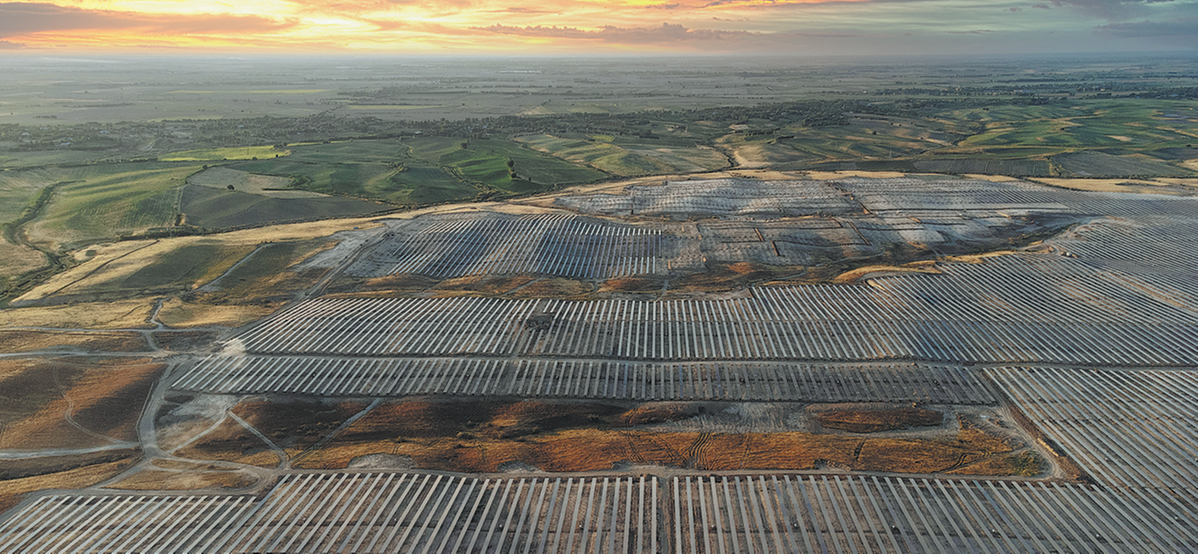
Experts have called on developed nations to play a stronger role in supporting developing nations as they endeavor to balance economic growth and carbon emissions against the backdrop of global climate change.
While many developed nations were able to industrialize and grow at a time when the impact of carbon emissions was taken for granted, developing nations are faced with the challenge of growing their economies at a time of greater climate urgency.
At the second Belt and Road Conference on Science and Technology Exchange in Chengdu, Sichuan province, from June 10 to 12, climate experts called on developed nations to enhance their support for green development initiatives in emerging nations.
"Against the backdrop of imminent climate challenges posed by rising temperatures, the Paris Agreement has set a goal of limiting global warming to 1.5 C, necessitating worldwide carbon neutrality by mid-century," said Guan Dabo, vice-dean and professor of the Institute for Carbon Neutrality at Tsinghua University.
Guan said that despite the majority of emissions coming from larger developed and developing nations, smaller developing countries, such as Ethiopia, Myanmar and Laos, have a greater scope for rapid growth and therefore their potential emissions need more attention.
"The emissions of each of these small and medium-sized developing countries are relatively small, accounting for only about 1 percent of global emissions. However, their emissions cannot be ignored as these countries are experiencing rapid development and have sustainable potential for emission growth," Guan said.
A study conducted by Guan's team showed that emissions from nearly 60 emerging small and medium-sized economies have surged since 2010, reaching a total of 1.6 times that of India in 2018, the world's third-largest carbon emitter following China and the United States.
He emphasized that the substantial rise in emissions is largely driven by the developmental requirements of these nations. While striving to alleviate poverty, their foremost goal is to sustain the ongoing development of their economies and societies. Yet, economic advancements often demand elevated energy consumption, industrial activities and transportation, leading to heightened greenhouse gas emissions. Striking a balance between economic growth and environmental sustainability presents a significant challenge for these countries.
However, given their varying stages of development and available resources, each country faces unique environmental hurdles that require tailored solutions. Guan cited Laos, a typical agricultural country with a weak industrial and technological foundation. "As industrialization is beginning to develop, Laos has imported a large amount of fossil energy in recent years, causing a serious burden on the environment," he said.
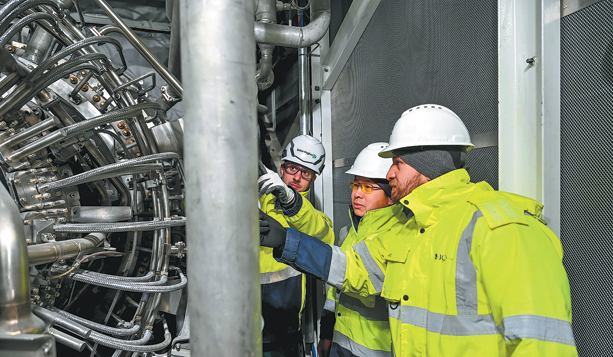
In another Southeast Asian country, Vietnam, its growing textile manufacturing sector also comes at a cost. "As an accelerating player in the industrial development process, Vietnam has received many industrial transfers with various countries shifting low-end industries to Vietnam, accompanied by a cost to the environment," he said.
According to a plan for the coal industry released by Vietnam's Ministry of Industry and Trade last year, the country plans to promote domestic coal development and increase coal imports, with coal consumption expected to peak between 2030 and 2035, reaching nearly 130 million metric tons annually.
For a developing African nation such as Ethiopia, its rapidly growing population, with an annual growth rate of around 3 percent, has led to a rise in energy consumption. Due to its inland geography and geopolitical constraints, Ethiopia faces challenges in importing fossil fuels, prompting the government to look for other options in the form of renewable energy. Despite these efforts, renewable energy alone cannot meet the demands of its burgeoning industrial sector.
"The development pattern of these nations often resembles the industrial development paths taken by the United Kingdom, Europe and the US some 200 years ago, where fossil energy was used to ensure the initial industrial development, followed by heavy industrial development, extensive primary processing and finally governance," Guan said.
He highlighted that China, a country that started industrializing relatively late, has already completed the traditional industrial development process to match other Western countries. In addition, China has introduced the concept of ecological civilization to balance economic development and environmental protection.
"In recent years, China has made significant strides in developing emerging green industries powered by green technologies, including solar energy, electric vehicles and batteries," he said. "The clean energy equipment manufacturing sector has been instrumental in driving GDP growth, with its contribution to the nation's GDP surpassing 10 percent for the first time last year."
Guan said that this advancement has paved the way for balancing socioeconomic development with reduced carbon emissions.
Meng Jing, a professor at the Bartlett School of Sustainable Construction at University College London, said there was an inequity in allocating carbon emission budgets with the same standards for developing and developed nations.
"Current climate targets and policies are based on production-based emissions within jurisdictions, which measure emissions generated in the place where goods and services are produced," Meng said, highlighting industries have shifted southward in production distribution, particularly when these Global South countries have relatively low production technology, resulting in a rise in net carbon emissions.
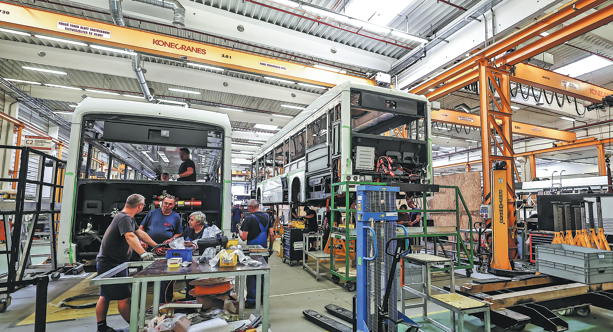
She added that previous studies have revealed that carbon emissions per capita in developing countries are relatively low, while developed nations sometimes exhibit "luxurious" living habits where even small changes may lead to significant reductions in carbon emissions. Meng suggested allocating more carbon emission budgets to developing countries to improve the living standards of their citizens while promoting sustainable development.
Guan said, "As the earliest countries to undergo industrialization, European nations and the US have historically contributed the most to total carbon emissions, and therefore should bear more responsibilities in the global battle against climate change." He also expressed concern that the US' repeated withdrawals from international organizations might undermine global efforts to maintain climate stability.
In addition, he noted that these countries have advanced scientific and technological capabilities as well as substantial financial resources, which are critical requirements for developing nations to reduce carbon emissions.
"In the process of assisting, China should undertake a bridging role, given that these developing countries may encounter challenges in utilizing high-tech equipment, and China has acquired experience in helping them through previous aid efforts," he added.
Selcuk Yerci, vice-president at Odtu Gunam — a center for solar energy research and applications in Turkiye, said his country is supported by Horizon Europe, the European Union's key funding program for research and innovation on climate change. This support is "of great help" in advancing technologies concerning carbon emission reduction, he said.
"However, I think the EU places great emphasis on the concept of union, solidarity and development of its member states. As far as I know, the EU provides relatively less funding to countries outside the union," he said.
Mohd Talib Latif, a professor from the Faculty of Science and Technology at the National University of Malaysia, has cooperated with Chinese partners on climate research.
"I have worked closely with Chinese universities on air pollution research, which is not classified as a greenhouse gas but can contribute to global warming," Latif said.
"While we previously worked on methane emissions with the Environmental Defense Fund in the US, all cooperative projects regarding carbon neutrality with the US and the European nations have been put on hold, probably due to funding constraints," he said.
limenghan@chinadaily.com.cn





