A millennium-old tomb complex in Northwest China got global recognition for its outstanding universal value.
Xixia Imperial Tombs was added to the World Heritage List on Friday, during the 47th Session of the World Heritage Committee of UNESCO in Paris, becoming China's 60th World Heritage site.
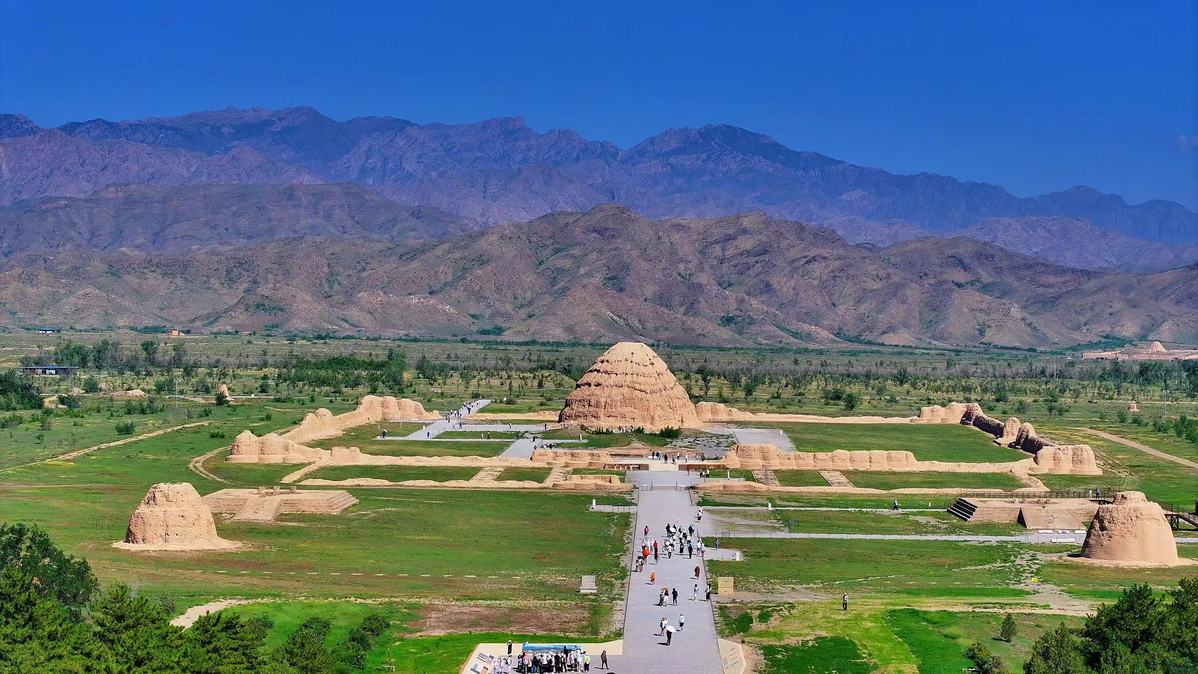
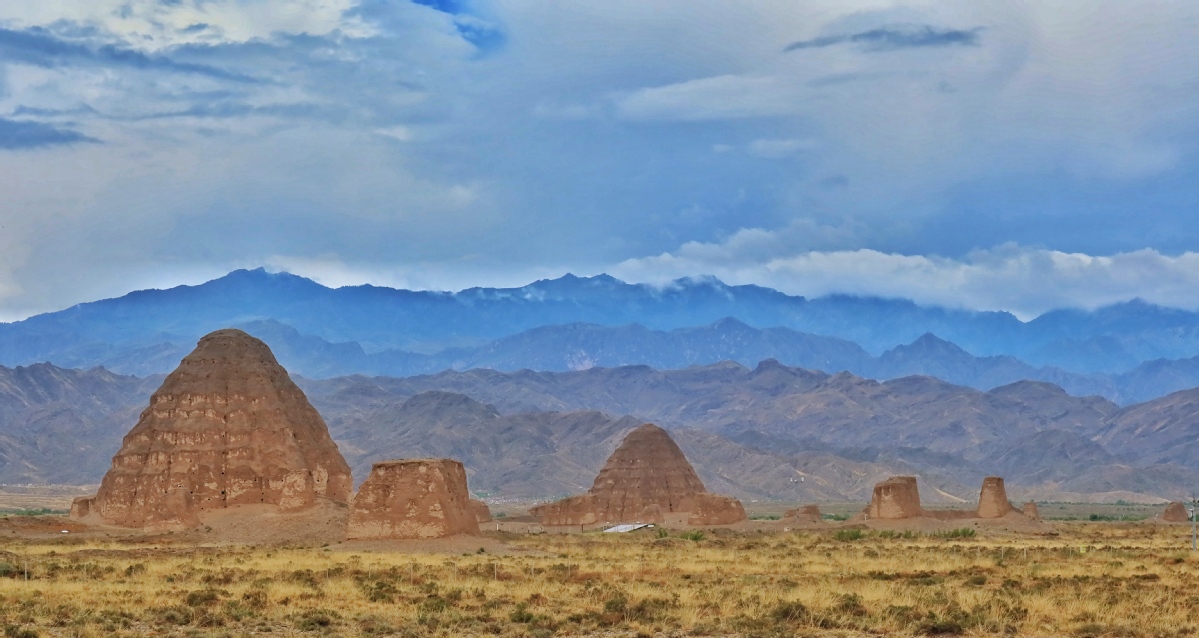
Located on a proluvial fan by the eastern foothill of the Helan Mountains, the tomb complex in Yinchuan, Ningxia Hui autonomous region, is the largest, highest-ranked, and most intact archaeological site of Xixia Dynasty(1038-1227).
Established by the Tangut people and home to various ethnic groups, Xixia once governed an area of 1.15 million square kilometers at its peak time.
Within 3,899 hectares of property zone, the inscribed property comprised nine imperial mausoleums, 271 subordinate tombs, 32 flood control work sites, and a 5.03-hectare architectural complex site to their north.
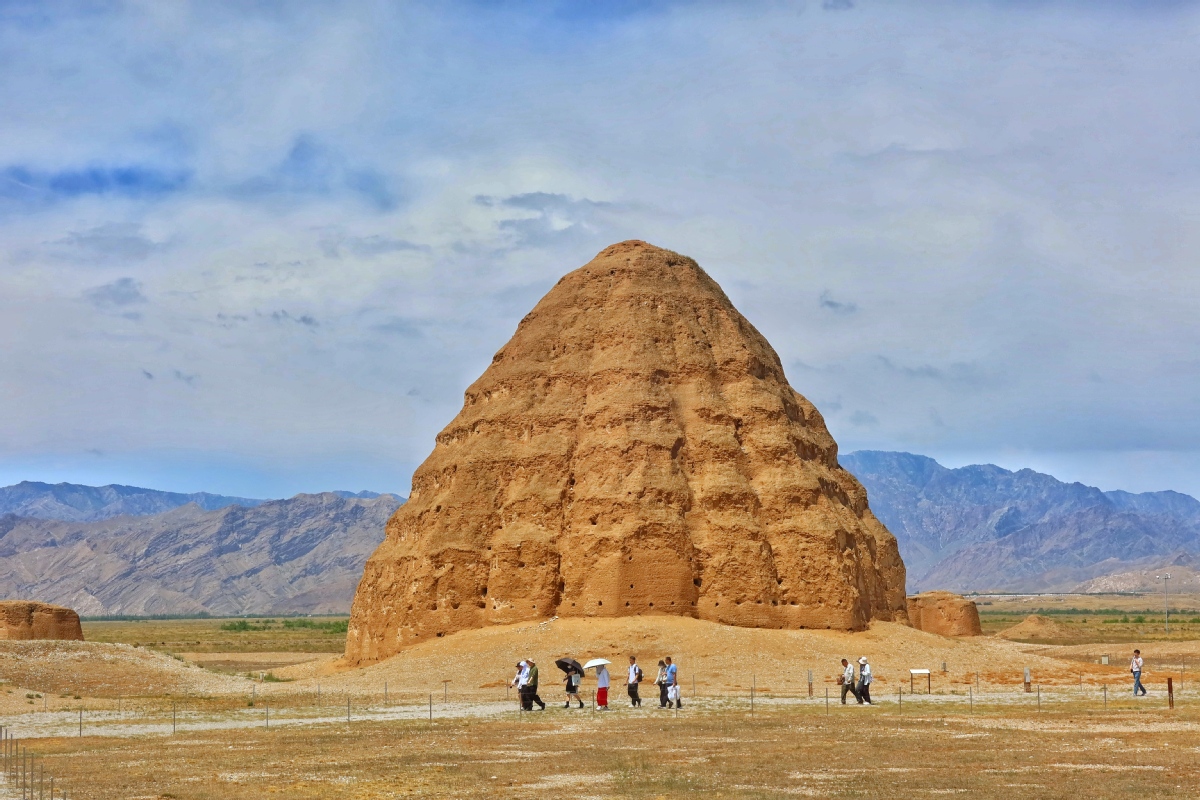
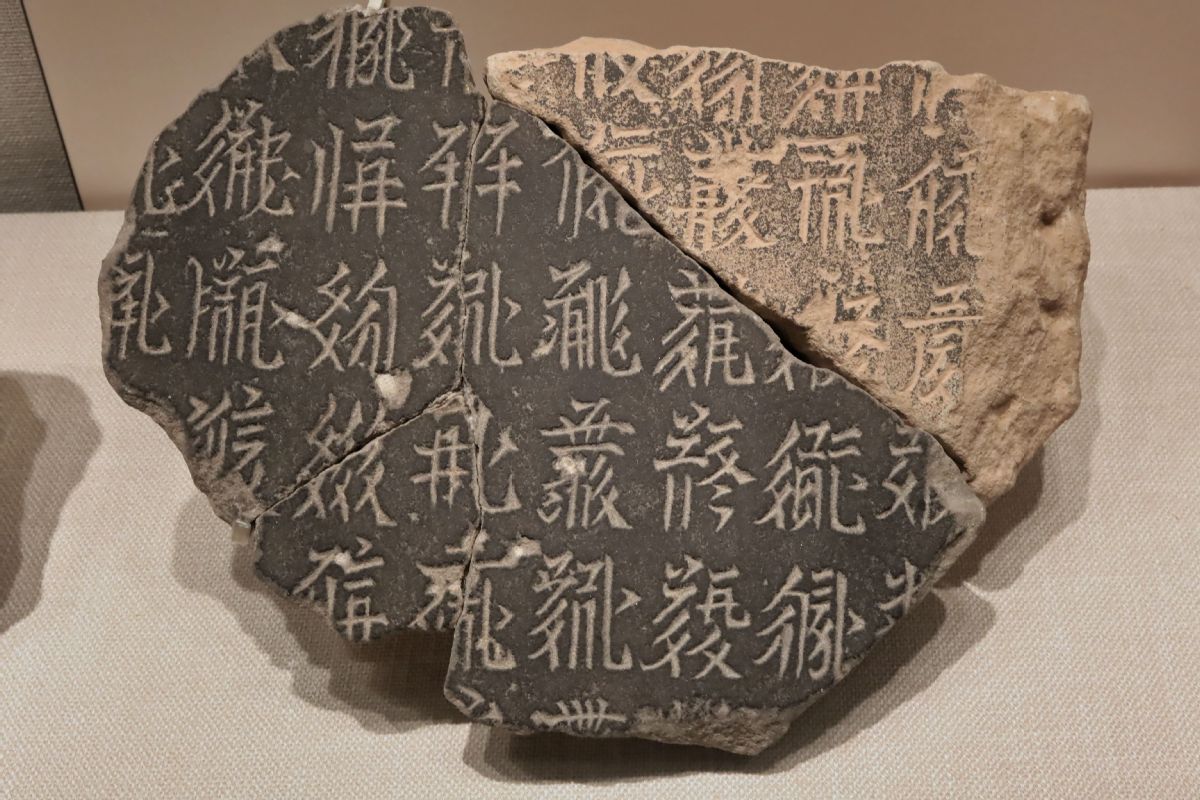
The committee stated that the complex bears a unique testimony to the Xixia Dynasty and its imperial lineage in the history of China, and attests to Xixia's crucial role as a distribution center on the Silk Roads during the 11th to 13th centuries.
It also highlighted the site fully exhibits the cultural fusion and innovation resulting from interactions among diverse ethnic groups, modes of livelihood, and cultures in the agro-pastoral interlaced region situated between the Mongolian Plateau and the Qinghai-Tibet Plateau and centered on the Ningxia Plain in northwestern China.
Such fusion was no accident, as Xixia was in a key era of political standoff and cultural communication in China from the 11th to 13th centuries. At that time, the Song Dynasty (960-1279) ruled central and southern China. Khitan and Jurchen peoples successively established Liao (916-1125) and Jin (1115-1234) dynasties to the north.
Originating from the Qinghai-Tibet Plateau, the Tangut did not traditionally build tombs but later adopted the practice under the influence of the farming civilization of Tang (618-907) and Song dynasties, Du Jianlu, a history professor on Xixia studies at the Ningxia University, explained.
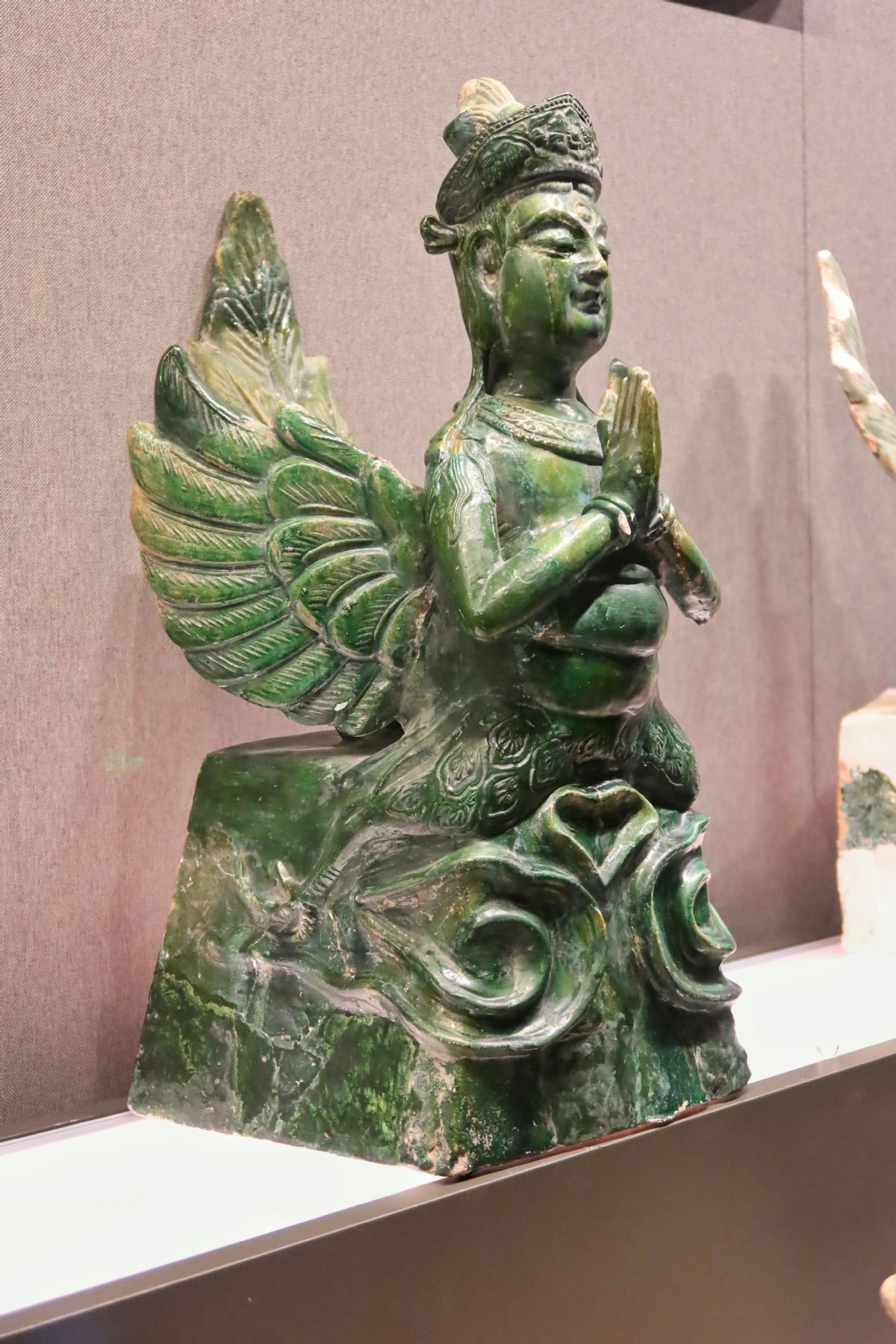
"Therefore, the existence of Xixia Imperial Tombs is the result of cultural communication," he explained.
While drawing from others' traditions, Xixia people also infused their own creations. For example, the Xixia tombs are all basically symmetrical along axis, which is a tradition of China's Central Plains. But Xixia people also departed from this norm by placing the sacrificial hall, the mound above the tomb passageway, the burial chamber and the pagoda to be located along another skewed line.
"The World Heritage sites created by different ethnic groups of China, including Xixia Imperial Tombs, are the shared historical memory of the Chinese nation. ... They all illustrate that Chinese civilization is the collective creation of all ethnic groups of the country," said Zheng Jun, a researcher of China Academy of Cultural Heritage, who is also a World Heritage consultant for the International Council on Monuments and Sites.
Archaeological studies and preservation efforts at the site started in the 1970s. Since 2012, China's National Cultural Heritage Administration has listed Xixia Imperial Tombs onto the preparatory list for applying World Heritage status and local governments also helped develop a comprehensive protective system and rules to ensure proper management.
The World Heritage Committee praised China's efforts on the protection and management of the complex, mentioning the legal framework enacted to protect it, the protection and management mechanisms and the research on earthen sites protection which have helped to maintain the site's authenticity and integrity.
This year also marks the 40th anniversary of China's entry to the Convention Concerning the Protection of the World Cultural and Natural Heritage.
Rao Quan, director of the National Cultural Heritage Administration, speaking at the 47th session, emphasized that China is ready to work with other countries to protect the cultural and natural marvels which are shared treasures of humanity.
"The Chinese government will faithfully fulfill the convention, consolidate the comprehensive and systematic protection of cultural and natural heritages, improve the protection abilities and levels," Rao said.
"China would like to share its experience and cases in this area and offer professional and technological support to other countries, working together to safeguard the cultural treasures of humanity," he added.
"I congratulate China for this very important success because it demonstrates the significance of the Chinese cultural heritage in World Heritage," said Anthi Kaldeli, a research fellow at University of Cyprus and a member of the delegation from Cyprus.