



Help youth create their ideal families







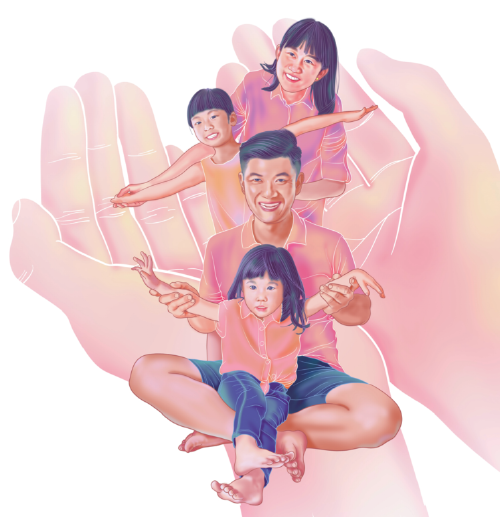
In 1987, the global population surpassed 5 billion people, a milestone that prompted the United Nations to designate July 11 as World Population Day. The day was first observed on July 11, 1990, at a time of rapid population growth, drawing attention to the importance of population issues such as reproductive health, gender equality, poverty, and human rights.
Today, as we mark the 36th World Population Day, the global community is experiencing profound demographic shifts. While the world's population continues to grow, crossing the 8 billion mark in 2022, fertility rates are dropping to historic lows. One in four people now live in a country where the population has already peaked, raising concerns about aging populations, economic productivity and the sustainability of social systems.
Last month, the United Nations Population Fund (UNFPA) released the 2025 State of the World Population Report, titled the "Real Fertility Crisis". The report emphasizes that rather than be alarmed over depopulation, we should be focusing on the urgent challenge of the growing number of young people who are not able to achieve their desired fertility or have the families they want.
A 14-country study conducted by the UNFPA and YouGov for the report, showed that while most individuals want two or more children, their choices are limited by economic and social barriers. This is the true fertility crisis.
More than half of the study's respondents cited economic issues as a constraint to having as many children as they want, and one in five said that fears about the future, including concerns about wars and climate change, would lead to them having fewer children than they desired. One in seven people felt that the lack of a partner would limit their ability to have the number of children they want, and 11 percent cited unequal care-giving burdens as undermining their desire to have children.
Although China was not among the countries surveyed, the situation is nevertheless very similar. Alongside rapid socioeconomic development, China is seeing a drastic demographic transition, with a shift from population growth to population decline, characterized by low fertility, aging and regional disparities. Young people, the primary childbearing group, have high unmet fertility intentions. Yet delayed childbearing has become widespread.
Some are also struggling with infertility or ensuring healthy pregnancies. The constraints faced mirror those in other countries: uncertainty about the future, conflicts between career and family development, and heavy burdens of childrearing and education.
The UNFPA report, however, emphasizes that the crisis of reproductive agency can be addressed by removing the barriers and increasing their choices to help people realize their fertility aspirations.
The solutions include: making parenthood accessible and affordable through family-friendly policies such as affordable childcare and paid leave for all caretakers; assisting young people in their transition to adulthood with secure jobs and affordable housing; promoting gender-equal partnerships in which women and men equally share the responsibilities and rewards of childcare and caretaking; securing reproductive health and rights for all, including accurate information about fertility; and enabling all couples to decide freely on the number, spacing and timing of having children.
The Chinese government is also taking measures to address the challenges faced by young people in relation to marriage and childbearing. This includes implementing a package of policy measures encompassing time allowances such as parental leave, financial assistance, and services such as childcare support, while the central government may launch a nationwide childcare subsidy policy this year to reduce the burden of childcare on young people.
On the occasion of World Population Day, we jointly propose the following initiatives and policy recommendations to empower young people:
First, establishing a childbirth security system with Chinese characteristics; building a fundamental framework centered on maternity insurance, infant-care and childcare, and reproductive health services; strengthening and expanding maternity insurance to safeguard women's employment and income during childbirth; extending coverage to flexible workers, migrant workers, university students, and others in new forms of employment; and clarifying cost-sharing responsibilities for extended parental leave.
Second, implementing policies to support childbirth; building a comprehensive childbirth service system centered on reproductive health, maternal and child health, and infant-care; reasonably setting parental leave and providing flexible work arrangements; establishing a reproductive health security system including free pregnancy check-ups and prenatal examinations, and improving child health services; developing an inclusive childcare and balanced education system, promote diversified social services for childcare, and addressing young people's concerns about child-rearing.
Third, stabilizing employment for young people; promoting economic growth and improve youth employment policies to safeguard young people's income; providing community-based job opportunities and vocational training to stabilize career and family development prospects for those facing challenges in finding employment; offering direct or indirect subsidies to families with children through measures such as tax benefits and home purchase incentives, and implementing effective childcare subsidy policies to alleviate the financial burden of childbearing on young people.
Fourth, promoting gender equality; eliminating traditional gender stereotypes and encouraging shared responsibility between spouses in household chores and child-rearing; strengthening supervision of enterprises and improving employment policies to prevent childbirth-related workplace discrimination against women.
And fifth, building a modern marriage and childbearing culture; helping shape healthy perspectives on marriage and parenthood for young people by actively promoting scientific childbearing concepts that are suited to modern times; providing multi-faceted support through national policies, family guidance, and public services; discarding outdated elements of traditional childbearing practices and preserving their valuable aspects while developing this cultural framework; incorporating marriage and parenthood education into school curricula to guide youth in developing healthy attitudes, ultimately fostering a cultural environment that values responsible family planning and evidence-based childrearing practices.
This year's World Population Day theme, "Empowering Youth to Create the Families They Want", highlights the central role of young people in shaping our global future. It calls on us to listen to their voices and create supportive environments to enable youths to achieve their potential. When young people feel hopeful about their lives and future, they are more likely to create the families they want and build a world that is more equitable and sustainable.
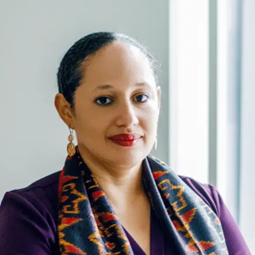
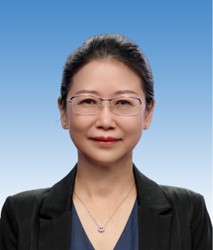
Nadia Rasheed is representative of the United Nations Population Fund in China; and He Dan is director-general of the China Population and Development Research Center. The views don't necessarily reflect those of China Daily.
If you have a specific expertise, or would like to share your thought about our stories, then send us your writings at opinion@chinadaily.com.cn, and comment@chinadaily.com.cn.





