Traditional art in tune with performance industry







Can traditional performances ride the wave of consumption in this new age? This question looms over many traditional art forms.
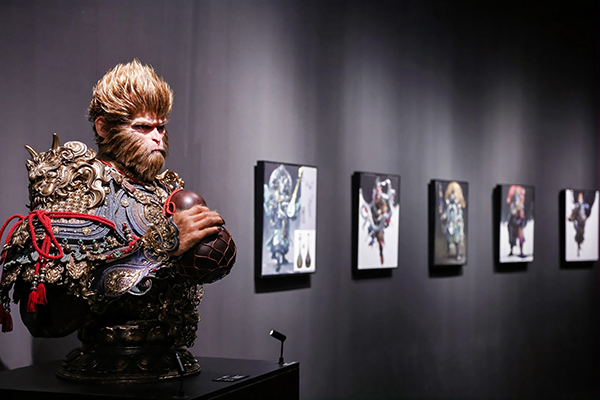
In recent years, however, we have witnessed a shift. Whether it's the folk songs of Shaanxi province featured in the game Black Myth: Wukong or female stars portraying dashing heroes in Yueju Opera, emerging instances suggest that traditional performance art can experience a revival through innovative approaches.
In fact, the live performance industry has become an important driver of cultural and tourism consumption. From concerts featuring popular songs to the revival of traditional operas, dramas and traditional Chinese music concerts, the performance industry is booming. Amid the vibrant landscape, traditional Chinese music stands out with its unique charm, and for playing an indispensable role in the development of culture.
According to available data, the total revenue of the national performance market in 2024 was more than 79.629 billion yuan, representing a year-on-year increase of 7.61 percent.
With the State Council, China's Cabinet, unveiling an action plan to spur consumption, including cultural and tourism consumption, by increasing the number of tickets issued, streamlining the approval process for commercial performances and strengthening policy support, the performance market is poised to grow further this year.
Among the various forms of performances, immensely popular concerts will not only generate substantial ticket revenue but also stimulate the local economies. A large concert, for example, attracts tens of thousands of people, who spend money on transportation, accommodation and food during their two-to-three-day stay in a place, significantly contributing to the host city's economy.
Besides, different genres and forms of dramas and musicals are enriching people's cultural lives. Last year, The Phantom of the Opera was a box-office success across multiple locations, with about 100 million yuan ($13.69 million) worth of tickets sold even before its official opening on July 2.
The combined effects of socioeconomic development, people's growing demand for cultural entertainment and their evolving consumption pattern explain the popularity of the "performance economy". As their living conditions improve, people develop an increasing appetite for cultural products. Performances, as high-quality cultural consumption, are therefore becoming increasingly popular. The performance economy also benefits from social media promotion. Widely shared videos, photographs, and other content of a captivating performance can quickly capture people's attention, and drive up tickets sales.
Traditional music concerts involving erhu, pipa and/or guzheng are a highlight of the performance industry, because they not only attract a large audience but also carry a distinctive artistic appeal. Whether it is an ensemble of a national orchestra or a melodious solo performance, such events captivate people who love traditional music.
The success of a traditional musical performance depends on the performers' expertise, understanding and ability to highlight the nuances of a traditional musical instrument. When playing traditional pieces, they need to enhance traditional techniques to capture the essence of the original piece. When presenting a new piece of work, they need to be innovative, blending modern musical elements with traditional music, and offering audiences a novel experience.
In recent years, traditional music has acquired a youthful feature, marked by continuous innovation in both form and content. Some music ensembles have integrated folk music into dance and drama performances, while some musicians have adopted popular songs, playing well-known melodies on traditional musical instruments, thereby bringing traditional music closer to younger audiences. These innovative efforts have not only invigorated traditional music but also injected new energy into the performance economy.
As a crucial element of traditional Chinese culture, music has played a crucial role in cultural development and become an indispensable part of the performance economy.
Today, an increasing number of youths are showing interest in playing traditional musical instruments such as guzheng, erhu and pipa. Take guzheng enthusiasts for example, they are a growing community, comprising individuals of all ages. With professional guzheng training institutes popping up in many places and music schools introducing guzheng major, traditional musical instruments are now more readily available.
In such schools, tutors focus on helping students develop a deep understanding of the cultural elements of traditional music. Students gradually grasp the pentatonic scale and rhythms of traditional Chinese music and, more importantly, get acquainted with the history of Chinese music, while developing a sense of national pride and cultural confidence.
On the other hand, online teaching has added to the popularity of traditional music. And with some renowned instructors offering lectures on online platforms, quality lessons are now available across the country and even abroad.
As a music instructor and performer, despite various difficulties, I am committed to enhancing my knowledge, further honing my skills, as well as performing and teaching traditional Chinese music, and elevating its significance in the performance industry.
We should welcome new trends, innovate teaching methods and seize the opportunities created by advanced technologies, while giving more creative performances and cultivating more musical talents. This will empower traditional Chinese music to contribute more to the development of the cultural industry.
The author is an associate professor at the Music School of Henan University.
The views don't necessarily reflect those of China Daily.
If you have a specific expertise, or would like to share your thought about our stories, then send us your writings at opinion@chinadaily.com.cn, and comment@chinadaily.com.cn.