



Mothers, delivery drivers bear brunt of poor night's sleep







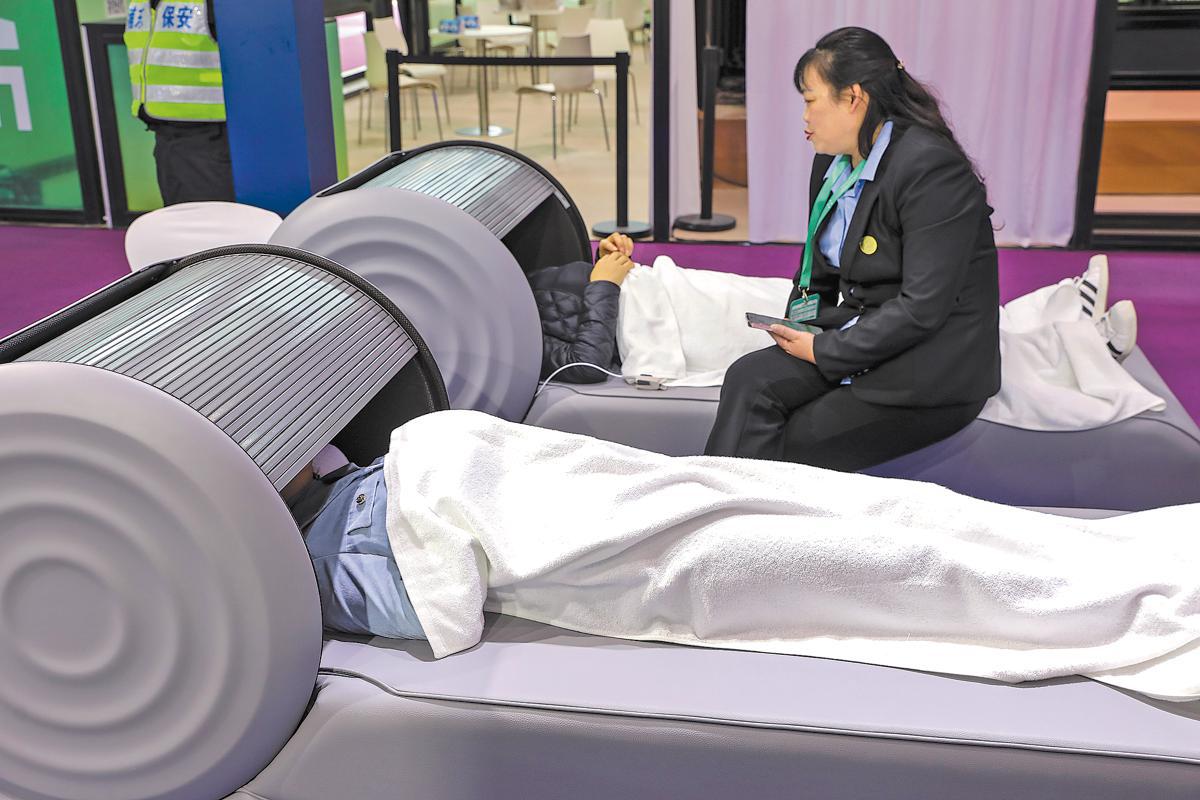
Mothers, middle-income earners and individuals involved in new forms of employment experience shorter and poorer sleep, according to a 2024 survey on the sleep quality of Chinese people.
The survey, published in the Annual Sleep Report of China 2025, analyzes the sleep conditions and factors affecting the sleep quality of different groups.
Sleep quality was measured using the Pittsburgh Sleep Quality Index survey, which indicates that sound sleep is multidimensional, including longer duration, few disturbances, shorter time to fall asleep, better day functioning and less need for sleep aids.
The survey suggests a strong correlation between whether women take on motherhood and their sleep quality. Mothers sleep an average of 7.68 hours per night, 16.2 minutes shorter than their counterparts who do not take on motherhood.
Professions also play a crucial role in influencing people's sleep quality, according to the survey. Traditional flexible workers report the best sleep quality, the fewest days of insomnia and the longest nightly sleep duration. This is because they can adjust their work and rest time independently, which helps them better adapt to their biological clock, the survey said.
Traditional formal employees, on the other hand, have the lowest self-assessed sleep quality, especially in the 35-44 age group, who frequently suffer from insomnia.
Those involved in new forms of employment have the highest average days of insomnia and reduced sleep quality as their work time often leads to disrupted circadian rhythms.
Among them, takeaway riders and couriers have the shortest nightly sleep at 6.63 hours, followed by online influencers or internet marketers at 6.79 hours, and ride-hailing drivers (including truck drivers) at 6.8 hours.
The middle-income group, which totals over 400 million people in China, also reported poor sleep quality. About 45 percent of them go to sleep after midnight, with an average duration of 6.85 hours, which is below the 7 to 8 hours threshold recommended in the Healthy China Action Plan released by the National Health Commission.
Over 70 percent of middle-income respondents said they had experienced varying degrees of insomnia.
About 47 percent of middle-income individuals cannot fall asleep within 30 minutes, with 15 percent taking over an hour to fall asleep, leading to a significantly lower sleep efficiency, which is the ratio of sleep duration to time spent lying in bed.
In addition, frequent business trips have a significant negative impact on sleep quality, with factors such as noise and the comfortableness of mattresses, pillows and bedding material being the most cited influencers by business travelers.
The report indicates that people are increasingly aware of the importance of quality sleep on their health, and there's a shift of focus from being able to sleep to sleeping well. Of the respondents who reported having experienced sleep disturbances, 62.17 percent had taken intervention measures.
Consumer demand for high-quality, personalized sleep products and services is on the rise. Last year, 38.43 percent of people surveyed spent over 200 yuan ($28) on products and services to improve their sleep, including sleep aids, health products and related services to promote sleep.
This has led to a significant upward growth trend in the sleep health industry. In 2023, the market size of the sleep industry in China reached 495.58 billion yuan, with a year-on-year growth of 8.6 percent. It is expected that by 2030, the market size may surpass 1 trillion yuan.


- Consumer rights protection disputes in new business models surge in Guangzhou
- French vloggers explore highland scenery and Tibetan culture in Yunnan
- Village in Jiangxi gives 100,000 yuan bonus to residents turning 100
- World's leading lab service provider opens China headquarters in Wuxi
- 'Ride to spring' becomes a major tourist attraction in Chongqing
- Lawmakers with disabilities advocate AI and robotics to improve lives





