Judgment matters more than strength for defense







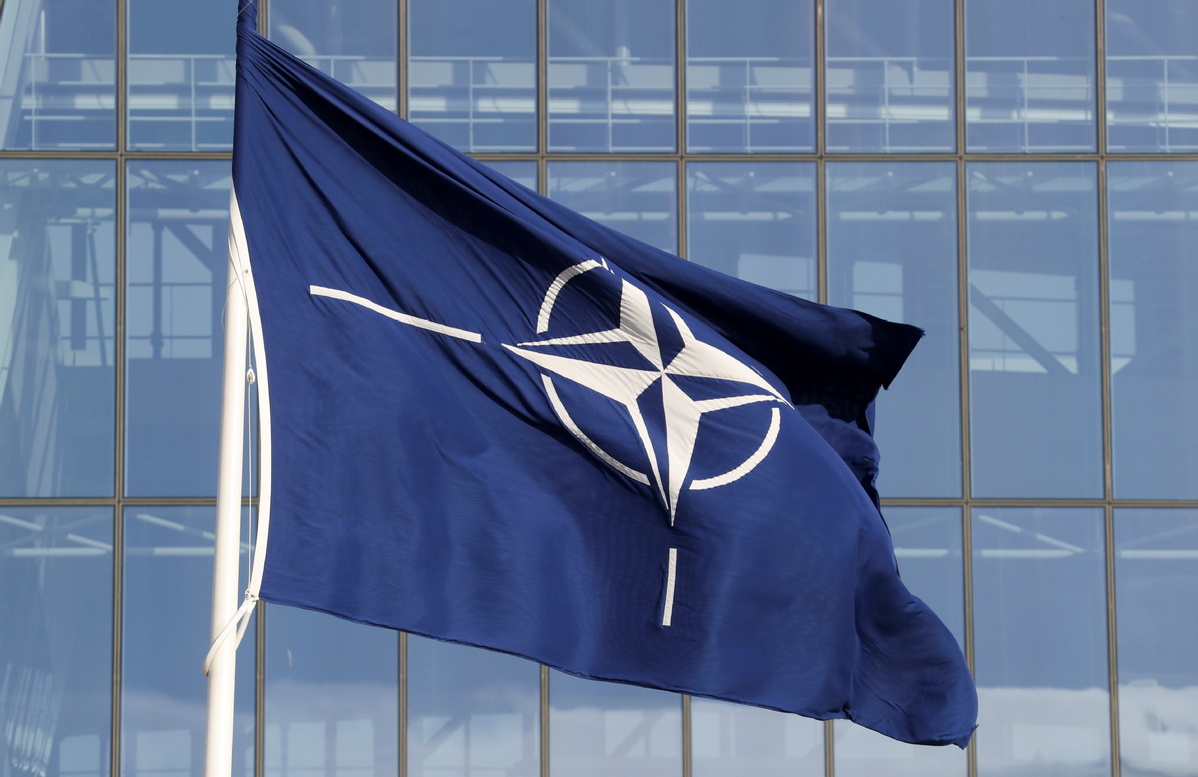
NATO's recent defense ministers' meeting in Brussels signaled more than just budgetary ambition. It marked a turning point. The alliance, long accustomed to the symbolic 2 percent GDP defense target, is now considering a far more aggressive figure: 5 percent, as proposed by the United States.
For some, this represents resolve. For others, a red flag. While 22 of NATO's 32 member states have already met the 2 percent benchmark, others still struggle to do so. Notably, not all members fully endorse the proposed 5 percent target, which will be decided at the June summit.
With some conflicts having broken out, the world undeniably feels less stable and security comes at a cost. But does it require such a dramatic spending increase? That question lingers beneath the surface of official statements.
The numbers are striking. Reports suggest that the United States defense budget for fiscal year 2026 might reach $1 trillion for the first time, with funds directed toward enhancing lethality and readiness. Meanwhile, all NATO members increased their military expenditure in 2024, with total expenditures hitting $1.51 trillion, or 55 percent of global military expenditure, according to data released by the Stockholm International Peace Research Institute in April.
Notably, this year's NATO discussions revolve not only around spending but also around the US' possible withdrawal. Behind closed doors, European leaders are grappling not just with a complicated security situation on the continent but also with US uncertainty. In May, US ambassador to NATO, Matthew Whitaker, confirmed that Washington plans to discuss a potential reduction of troops stationed in Europe later this year. The implication is clear: the US footprint may shrink, and Europe must be prepared.
Though no concrete decisions or timelines have been set, the possibility of a US withdrawal looms over both the recent defense ministers' meeting and the upcoming NATO summit.
As some European analysts said, the so-called withdrawal risk may carry more immediate and profound consequences than any hypothetical battlefield scenario. It raises a critical question: Should Europe continue complying with US demands on defense spending, or should it pursue greater strategic autonomy?
Let's be frank, who benefits from this surge in spending?
US defense contractors have seen record profits in recent years. Lockheed Martin, RTX Corporation, General Dynamics, Boeing and Northrop Grumman together secured over $150 billion in Pentagon contracts in 2023 alone. NATO's proposed 5 percent target could further boost their revenues. Are these expenditures truly about deterrence, or do they feed a system that thrives on perpetual insecurity?
And what are the trade-offs?
Raising military spending to 5 percent of GDP is not just a fiscal decision, it is a social one. For smaller European economies, such redirection of public funds could come at the cost of hospitals, schools and climate commitments. Analysts warn that pushing defense commitments even further will inevitably deepen the gap between NATO pledges and what national budgets can realistically sustain.
Public opinion, already divided, may not follow political consensus for long. Widespread concerns suggest that in order to meet these expanded military obligations, governments may be forced to trim spending in sensitive areas such as healthcare, pensions and other social welfare programs. That, in turn, could stir domestic unrest and political backlash.
Europe, then, stands at a crossroads.
It is about recognizing that strategic dependence, military, political and economic, has its limits. Europe must be able to act, decide and defend on its own terms. That does not mean isolation. It means taking responsibility.
The answer is not simply to spend more. It is to think more clearly, strategize more deliberately and build resilience with wisdom.
In turbulent times, strength matters. But judgment matters more.