


Feathers across borders
Hong Kong's lesser-known role as a sanctuary for endangered species reveals a new facet of the city's ecology. This bustling metropolis plays a vital part in reversing biodiversity loss and supporting conservation beyond its limits. Rebekah Zhang and Kira Jiang report from Hong Kong.







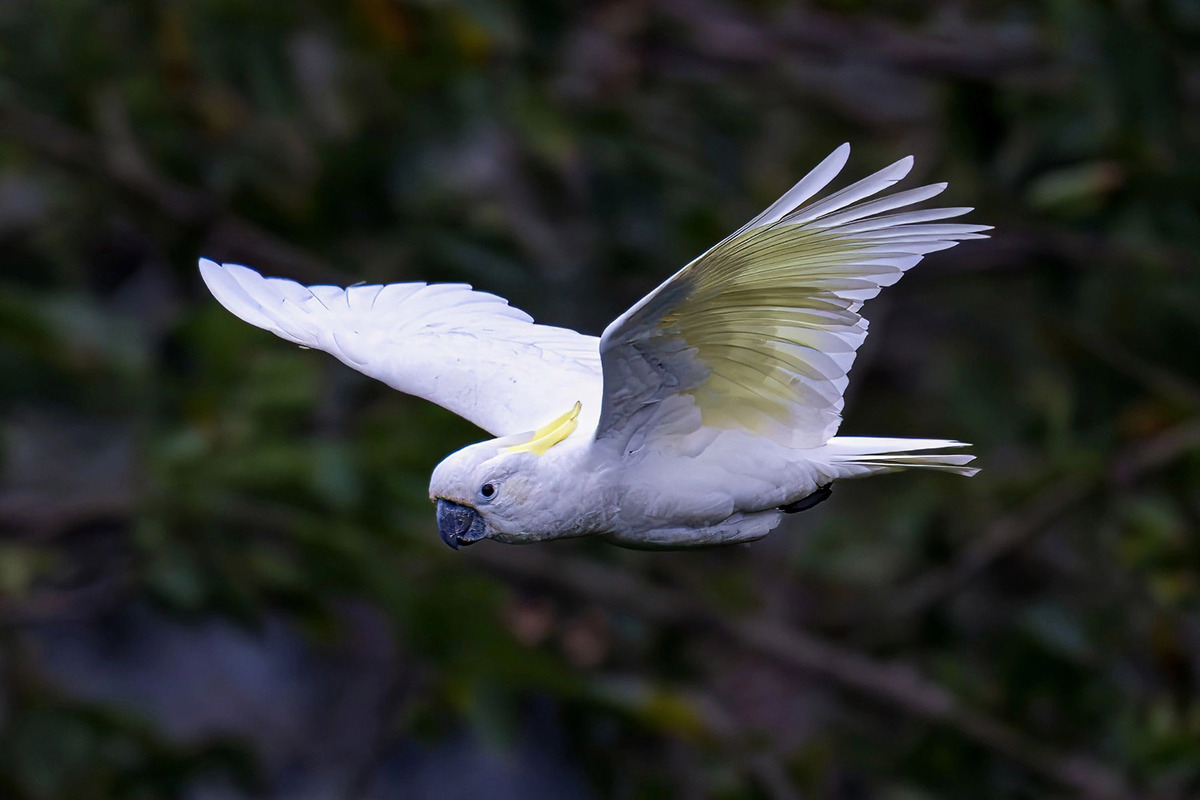
It was another busy afternoon in Hong Kong's Central business hub.
In one of the world's most densely populated regions, a small flock of yellow-crested cockatoos swept past skyscrapers, curiously observing human life.
Should you peer out of the window, you might lock eyes with one of these endangered feathered observers. "It's very unusual to come across an endangered species in the city center," says Astrid Andersson - a postdoctoral researcher at The University of Hong Kong's Conservation Forensics Laboratory.
The yellow-crested cockatoo, a native of Indonesia, now teeters on the brink of extinction due to persistent illegal trapping and extensive habitat loss throughout its natural range. According to the International Union for Conservation of Nature's Red List of Threatened Species, the number of mature cockatoos worldwide now stands at between 1,200 and 2,000, and it is listed as "critically endangered".
One story suggests the birds were brought to Hong Kong as pets in the mid-19th century and either escaped or were released into the wild. Against all odds, the cockatoos adapted to Hong Kong's urban environment, inhabiting parks with sufficient fruits and seeds.
Today, Hong Kong is the largest habitat for wild yellow-crested cockatoos outside Indonesia, sustaining about 200 of them - roughly 10 percent of the birds' global population. Easy accessibility to them was a key reason for Andersson choosing the cockatoo as her PhD research topic.
Throughout her research, she uncovered what makes the bird's survival story possible. The cockatoo's exceptional longevity of about 40 to 60 years, and strong social bonds allow knowledge to accumulate and spread within groups, enhancing their adaptability. But there is another big piece to the puzzle. Hong Kong's urban landscape is unique, with well-designed parks seamlessly integrated among the skyscrapers, providing essential habitats and nutrition for these birds.
Andersson emphasizes the significance of Hong Kong's cockatoo population, saying it not only presents a compelling case of human-wildlife coexistence in a dense urban environment, but also serves as a potentially important genetic reservoir for wild populations in Indonesia.
"People often mistake the yellow-crested cockatoo for Australia's sulphur-crested cockatoo, which is way bigger in size, but they're actually different species," Andersson explains. She is leading genetic studies on the cockatoos to evaluate their conservation significance, original geographic provenance within Indonesia's islands, and their genetic viability with a special focus on inbreeding risks.
In January, The University of Hong Kong unveiled its latest research results that could advance the conservation of two iconic cockatoo species. They included a study led by Andersson that identified three genetically distinct groups across the Wallacean region, a biogeographical zone that lies between the Asian and Australian continental shelves, through DNA extracted from 100-year-old museum specimens.
She says she believes their work has provided valuable information to conservation efforts, such as translocation, genetic rescue and breeding - steps that are crucial to avoid global extinction of the yellow-crested cockatoo.
"Maybe, in the future, we can translocate individuals to help the genetic recovery in the native range," she says.
The strategy has shown regional success in Guangzhou, Guangdong province.





