Thrift good for all, new generations should be taught







As a child, I was taught by my parents and teachers to be thrifty. Not a single grain of rice should be wasted on the dinner table. Worn-out clothes should continue to be worn even, if needed, after patching up. These were some of the advice I was given and I followed them because they came from elders and, more importantly, I had no choice but to live a frugal life.
Being an agrarian society for several thousand years, China almost always struggled to feed its people due to frequent droughts, floods, earthquakes, and war. To survive the disasters, mostly natural but also manmade, the Chinese people learned to be frugal and save for a rainy day. With the passage of time, frugality became second nature for the Chinese people.
During my childhood half a century ago, food was rationed. The fixed amount of ration given to households was not enough to meet the dietary or nutritional needs of most people, especially children and youths. Hunger was a reality for us. I clearly remember the night when all the boys in my school dorm woke up and began banging spoons on their rice bowls because they could no longer bear the pangs of hunger.
Growing up in those tough times, I know the value of food and practice frugality. So much so that thrift has become a "part of my genes". No wonder when President Xi Jinping said there was a rule in his family — both his parents were revolutionaries and, later, high-ranking officials — that not a single grain of rice should be left in the rice bowls, I readily related to it. In fact, all Chinese families at the time had the same rule.
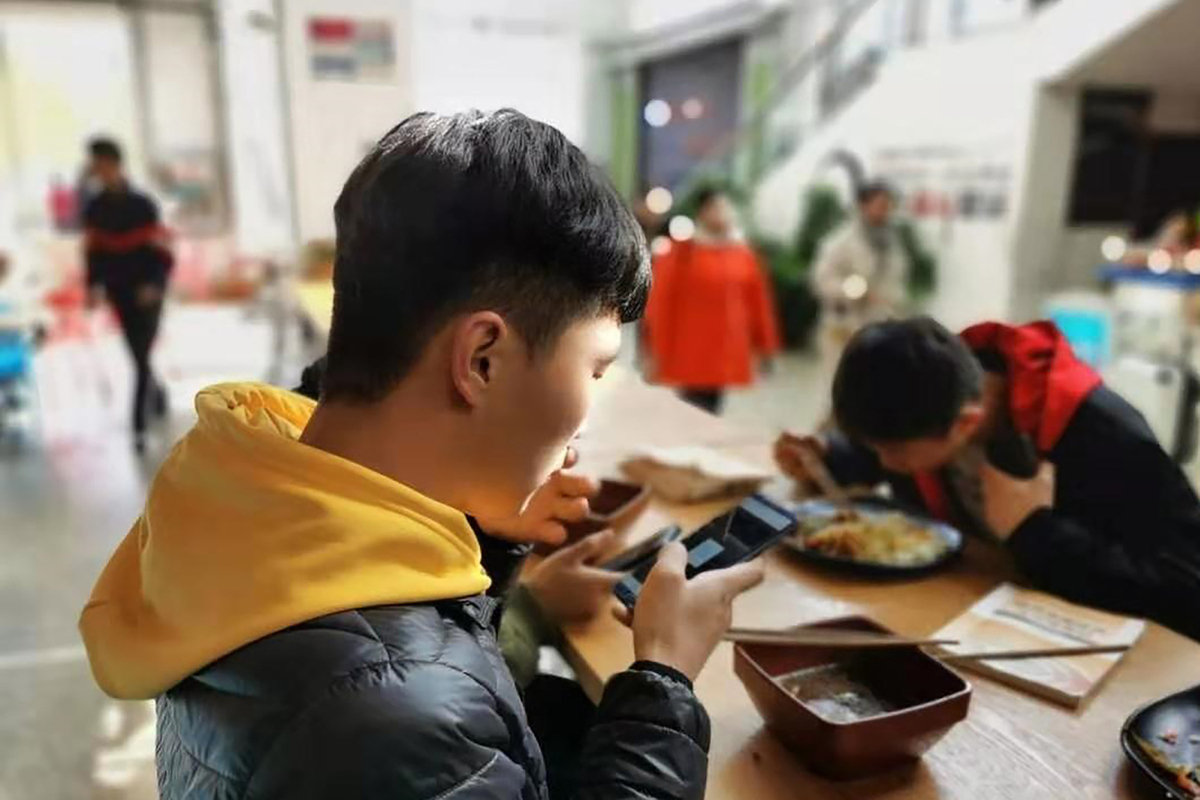
It saddens me sometimes to think that my generation, or the generation after me, will be the last to believe in frugality. While we had to toil to fill our stomachs and learned to always save for a rainy day, the younger generations seem immune to such worries and necessities. Since food and consumer goods are abundant today — they can be delivered at your doorstep at the click of a few keys on your smartphone — the younger generations seem to think "thrift" is just a word from a dictionary of the past.
China has launched several "empty plate" campaigns to stop food wastage. Now, the central authorities have launched a new round of discipline inspection to deter officials from wasting public resources by organizing extravagant feasts, using government vehicles for personal purpose or traveling on government funds. The fact that many rounds of such campaigns have to be conducted to prevent food wastage indicates it is difficult to control, let alone end, wastefulness and corruption. The reason: most people today don't adhere to the tradition of frugality.
China's history tells us that whenever people abandoned the practice of thrift and indulged in extravagance, it faced a socio-economic crisis irrespective of how prosperous or powerful the country was. Fully aware of history, the central authorities are taking measures to ensure people remain true to the tradition of frugality.
But it is becoming increasingly difficult to persuade the new generations to practice thrift, because they are not worried about starvation now that quite a few can afford Louis Vuitton handbags, and luxury cars. In fact, to boost domestic consumption, governments at different levels have launched even trade-in programs to encourage people to get rid of their old household electrical appliances, cars and smartphones, and buy new ones at subsidized prices.
Although I know the higher authorities have reasons to promote the trade-in program, I still think the early disposal of the appliances is a waste of resources. I sincerely hope the disposed appliances find new homes and continue to serve households instead of being smashed into scrap.
It seems the meaning of thrift has changed from what it was during my time. But I believe the concept and significance of thrift remain the same. I hope we will develop into a society where wasting food is looked down upon and indulging in extravagance using public funds a crime.

The author is former deputy editor-in-chief of China Daily.
kangbing@chinadaily.com.cn