IMF cuts 2025 MENA growth forecast amid trade and oil volatility







The International Monetary Fund has sharply downgraded its 2025 growth forecast for the Middle East and North Africa, warning that rising global trade barriers, volatile oil prices, and deepening regional instability are putting pressure on economic recovery across the region.
According to the recent IMF Regional Economic Outlook, the MENA region is projected to grow by 2.6 percent next year — down significantly from the 4 percent forecast made in October. The revised outlook reflects the growing impact of a turbulent global environment, marked by weakened demand, fragmented trade ties, and persistent geopolitical risks.
"Uncertainty could impact the real economy, consumption, investment — all these elements led to a softening of our projections," said Jihad Azour, director of the IMF's Middle East and Central Asia Department in an interview.
Azour noted that while direct exposure to US tariff hikes remains limited, the broader effects of trade fragmentation are becoming more pronounced. "This could negatively impact growth in the region by anywhere between 2 to 4.5 percent," he warned.
The organization said Brent crude oil prices — which peaked above $120 per barrel in 2022 — are expected to average between $65 and $69 per barrel in 2025 and 2026. That spells continued vulnerability for energy-exporting economies, many of which rely heavily on hydrocarbon revenues to balance their budgets.
"The oil market outlook remains subdued, and for oil exporters, this calls for an urgent diversification of economic structures," Azour said, emphasizing the risks facing fiscal and external accounts if prices stay weak.
The Gulf Cooperation Council (GCC) economies — comprising Bahrain, Kuwait, Oman, Qatar, Saudi Arabia and the United Arab Emirates — are now projected to grow at 3 percent in 2025, a downgrade from the 4.2 percent estimate made six months ago. The IMF attributes the decline to extended OPEC+ voluntary production cuts and softening non-oil activity.
Azour highlighted the region's efforts to build economic resilience: "With all these changes and challenges, it's important to seek new trade partnerships and double down on diversification strategies."
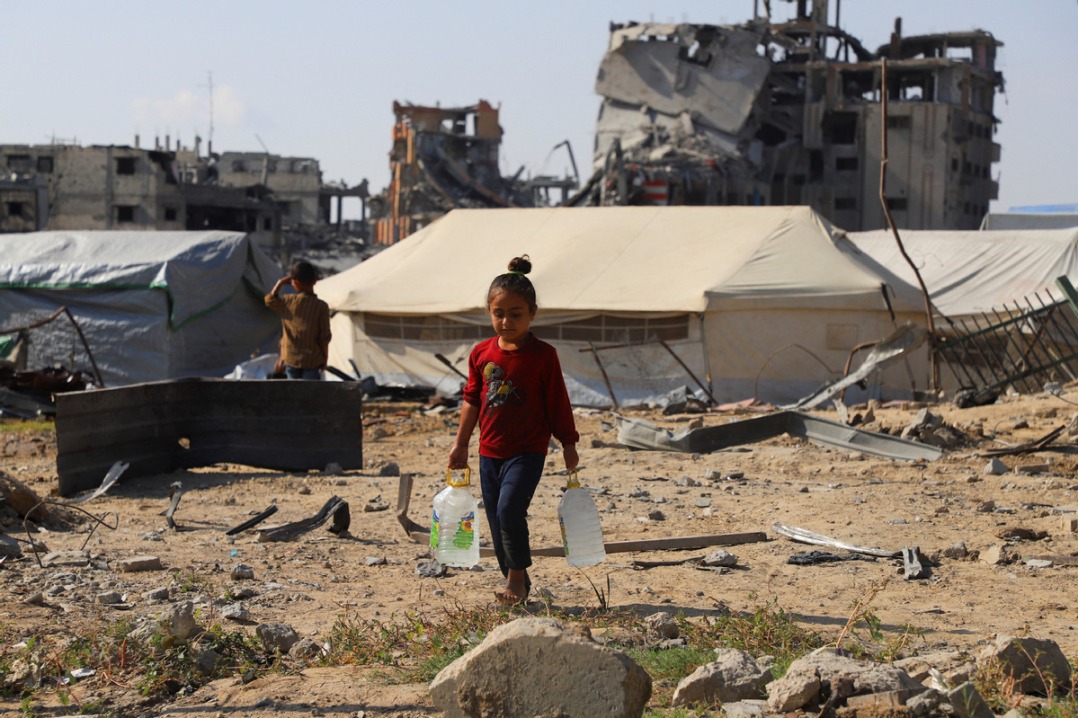
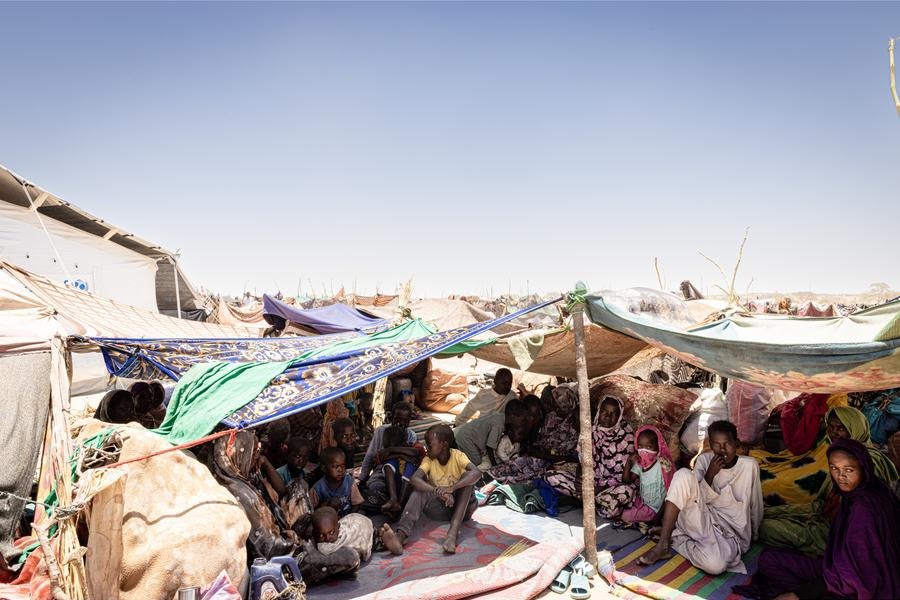
The report also draws attention to delayed structural reforms, as well as the economic toll of ongoing conflicts. "The humanitarian costs have been profound, and the economic scars are equally deep," the IMF stated, adding that oil-importing countries have borne the brunt of rising financing needs and shrinking aid flows.
IMF stressed the need for policy recalibration. "Countries must devise sound macroeconomic policies to protect their economies and restore investor confidence. Reforms can no longer be delayed."
Growth for non-oil-importing MENA countries is now forecast at 3.4 percent for 2025, slightly down from 3.6 percent. Meanwhile, non-GCC oil exporters are expected to see a one-percentage-point drop in growth next year, before staging a modest recovery in 2026.
Foreign aid, another crucial source of funding for many developing MENA countries, has also declined in recent years. "This has added another layer of vulnerability, especially after the US scaled back its global aid commitments," Azour noted.
As countries adapt to a new global landscape, the IMF urged regional governments to prioritize reforms that improve productivity, boost trade diversification, and foster private-sector investment.
"Trade diversification, acceleration of structural reforms, and improvement of productivity are all elements that will help the non-oil sector to maintain a strong level of growth," Azour concluded.
Sharon@chinadailyafrica.com