Urban areas under pressure, report says
Asia-Pacific cities 'engines of growth', but face demographic changes: ESCAP







The Asia-Pacific region faces mounting pressures in carrying out urban transformation aimed at building resilient and sustainable urban centers as the region's main driver of growth, according to the United Nations Economic and Social Commission for Asia and the Pacific, or ESCAP.
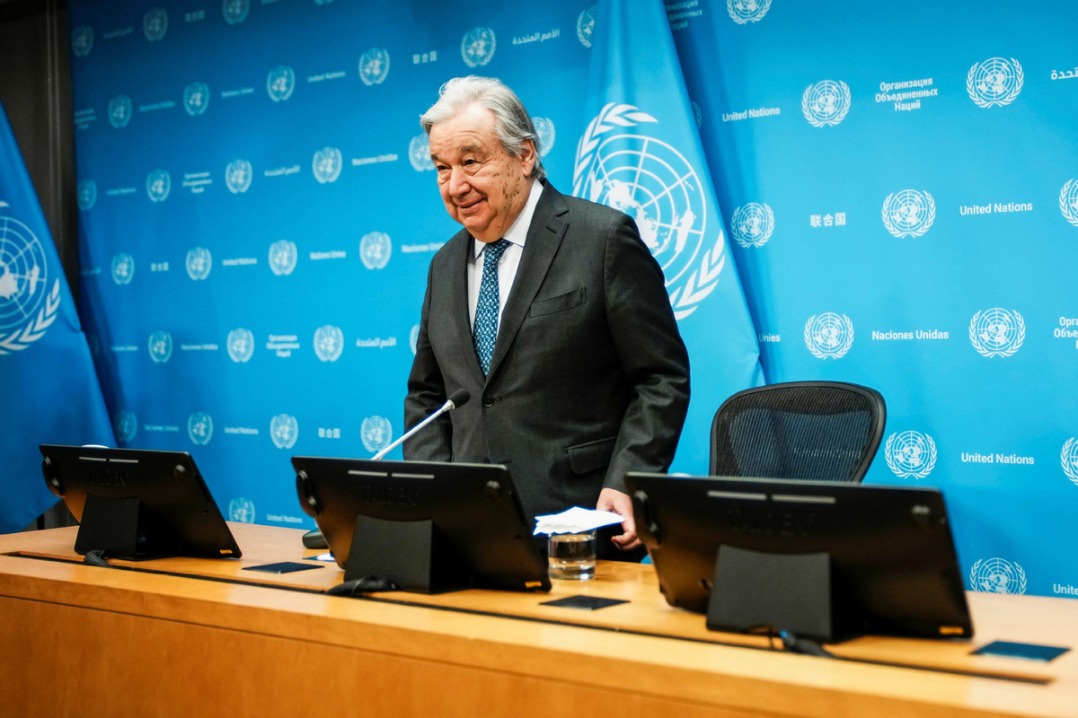
"Urbanization is more than just managing growth. It is about transforming cities into hubs of innovation, resilience and equity. This is the paradox we face. Our cities are engines of opportunity, but also centers of vulnerability. But there is hope," said United Nations Under-Secretary-General and Executive Secretary of ESCAP Armida Salsiah Alisjahbana.
Asia-Pacific cities are facing profound demographic changes. The region is home to more than 2.2 billion city dwellers and more than half of the 30 largest urban areas in the world. By 2050, the region's urban population is expected to grow by 50 percent, adding 1.2 billion people, according to the latest report released by ESCAP in Thailand.
While cities have long been drivers of economic growth, the region's rapid urbanization is intensifying social and environmental pressures, according to the report, which was unveiled during the 81st session of ESCAP, held from Monday to Friday in Bangkok.
"Urban areas across the region continue to experience the impacts of social, economic and climate vulnerabilities in vastly different ways. This prevents the benefits of economic growth from reaching all urban dwellers equally," said Philemon Yang, president of the United Nations General Assembly, at the session.
Social issues
The report showed that the urban transformation process will see problems arising from social issues like migration, housing accessibility and wealth inequality — that challenge the social cohesion of cities.
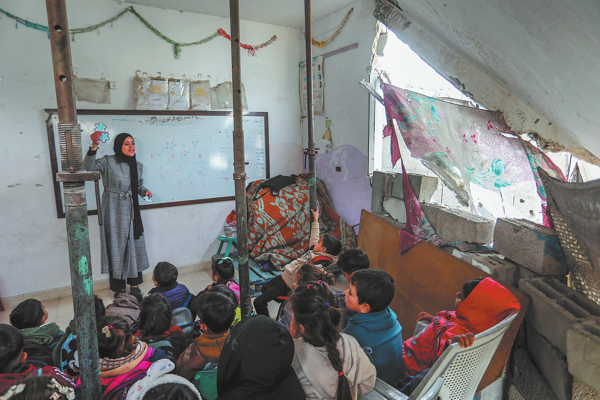
It revealed that one in three urban residents still lack access to basic services. A significant share of the urban population remains locked in poverty, with many living in slums or informal settlements.
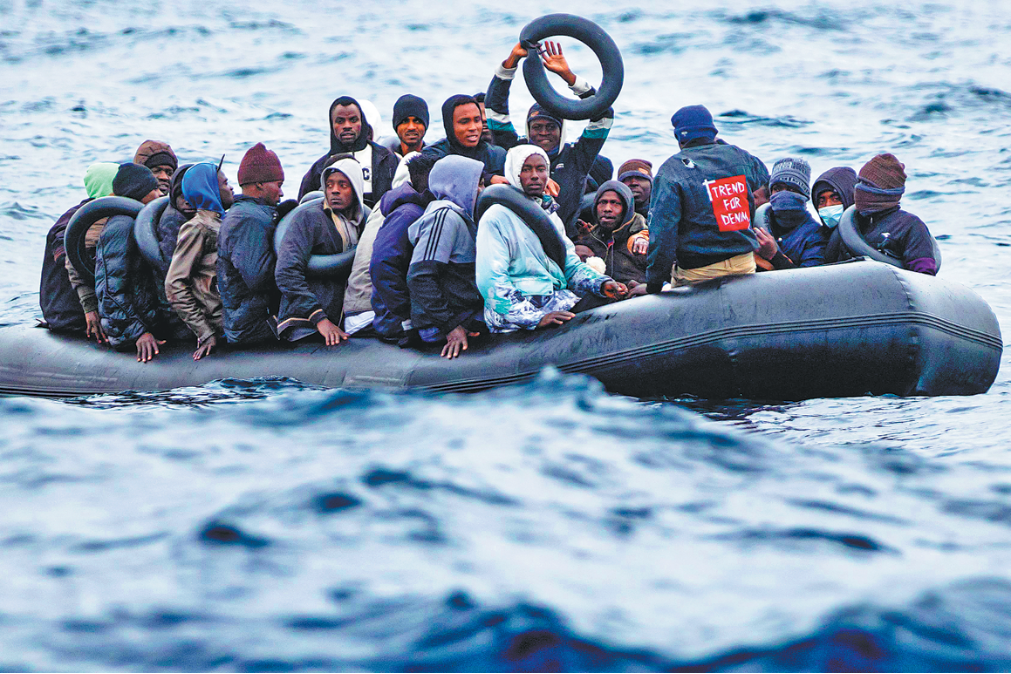
At the urban level, it indicated that new studies predict that 8 million climate migrants will arrive in 10 cities of the Global South by 2050 if the world warms by more than 1.5 C above preindustrial levels. This is followed by problems such as water scarcity, food insecurity and natural disasters.
Also, urban population growth in Asia and the Pacific has led to increased demand for water and groundwater exploitation, thereby straining the region's water resources. Extensive groundwater extraction and the loss of natural buffers have increased the risk of land subsidence.
"With over 2.2 billion urban residents and seven of the world's largest megacities, the region stands at the forefront of global urban solutions. By working together, we can close inequalities, mitigate climate impacts and empower women while driving investments that propel multiple SDGs (Sustainable Development Goals) forward," said United Nations Deputy Secretary-General Amina J. Mohamed.
ESCAP highlighted the transformative role of green infrastructure, smart technologies and inclusive urban planning in building cities that work for everyone.
In her speech on Monday, Thai Prime Minister Paetongtarn Shinawatra called for strengthening cooperation at all levels and good leadership to tackle those challenges to the region.
"Thailand is committed to fostering cities that are resilient — where innovation and inclusion go hand-in-hand," she said.
Minister of Foreign Affairs of Nepal Arzu Rana Deuba, who was elected as Chair of the 81st session, said countries in the region must have well-planned urban development to ensure that we achieve resilient and sustainable urban development.
yangwanli@chinadaily.com.cn