



Guideline aims to promote balanced nutrition, healthier lifestyles







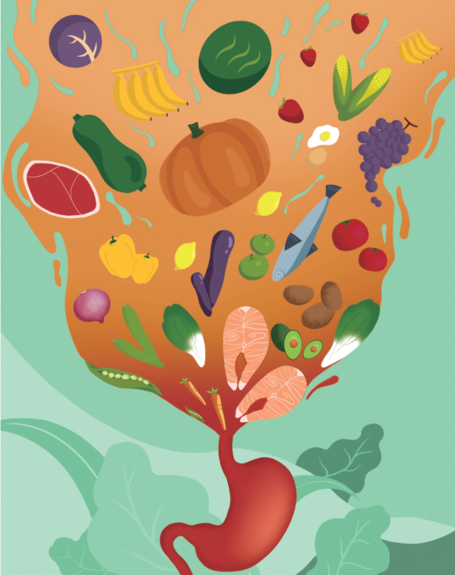
China has unveiled targets to enhance the nutritional quality of its food consumption by 2030 to promote a more balanced and healthy diet nationwide.
The Food and Nutrition Development Guideline (2025-2030), jointly issued by the Ministry of Agriculture and Rural Affairs, the National Health Commission, and the Ministry of Industry and Information Technology, was released on Monday and set key objectives for improving dietary habits and food supply quality.
The guideline calls for a shift toward nutrient-rich food consumption, increasing annual per capita intake of foods high in protein and fiber.
By 2030, it targets per capita annual consumption of 14 kilograms of legumes, 69 kg of meat, 23 kg of eggs, 47 kg of dairy products, 29 kg of seafood, 270 kg of vegetables and 130 kg of fruit.
Nutritional recommendations outlined in the guideline advocate for daily caloric intake to remain at approximately 2,150 kilocalories for men and 1,700 kilocalories for women. The initiative emphasizes the importance of protein consumption, setting a goal for high-quality protein to account for more than 50 percent of total daily intake.
Daily fiber intake is expected to rise to 25 to 30 grams, while consumption of edible oils should be reduced to 25 to 30 grams. The guideline also aims to cap daily salt intake at 5 grams and added sugar intake at 25 grams.
China's chronic disease prevention and control efforts face numerous challenges, as both malnutrition and overnutrition persist, according to Chu Xu from the National Health Commission.
The new guideline takes a comprehensive approach by addressing nutritional concerns at the food production level, advocating for a nutrition-oriented strategy across the entire food industry chain, he said.
The guideline focuses on modernizing food supply systems and promoting healthier cooking methods. Authorities plan to enhance food quality, expand nutritional research and popularize portion control tools to regulate salt, oil and sugar intake.
Zhang Zhenhua, deputy head of the Department of Science, Technology and Education at the Ministry of Agriculture and Rural Affairs, emphasized the need for a national strategy to balance food supply with changing consumption demands.
"We should systematically plan food and nutrition initiatives to coordinate socioeconomic development with public health, adapting to the population's increasing demand for nutritious food," Zhang said at a news conference on Tuesday.
Measures also include developing central kitchens, adopting smart storage and cooking technologies and improving household food waste management, the guideline said.
"We need to coordinate food resource utilization with environmental conservation, as reducing food waste is equivalent to increasing production," Zhang said, adding that the guideline stresses promoting sustainable agriculture and preserving China's culinary heritage.
Wu Kongming, president of the Chinese Academy of Agricultural Sciences, said ensuring access to nutritious and affordable food is a global priority, with countries competing for key technological advancements.
"The plan calls for an integrated food and nutrition technology innovation system covering the entire supply chain, from breeding and farming to processing, logistics and consumption," Wu said.
He suggested greater integration between food nutrition science and industry innovation.
The academy will establish research platforms and set up joint research centers to advance technological breakthroughs in food processing and consumption patterns, he said.
"We will create a collaborative platform for food and nutrition policy research, strengthening industry support and advancing nutrition-oriented agriculture," Wu said.
Public awareness initiatives such as National Nutrition Week and the Chinese Farmers' Harvest Festival will further promote healthy eating habits and regional food culture, the guidelines said.
Wu proposed expanding outreach initiatives such as open house events, social media campaigns and public forums to provide accurate, accessible nutritional information.




- China's Global Governance Initiative receives positive feedback at forum
- China's Xizang sees steady tourism growth in 2025
- First-of-its-kind pearl auction held utilizing Hainan FTP
- Agarwood exhibition steeps Shanghai museum in fragrance
- The Fujian Coast Guard conducts regular law enforcement patrol in the waters near Jinmen
- IP protection for new fields to improve














