Shifting from 'world's factory' to brand powerhouse







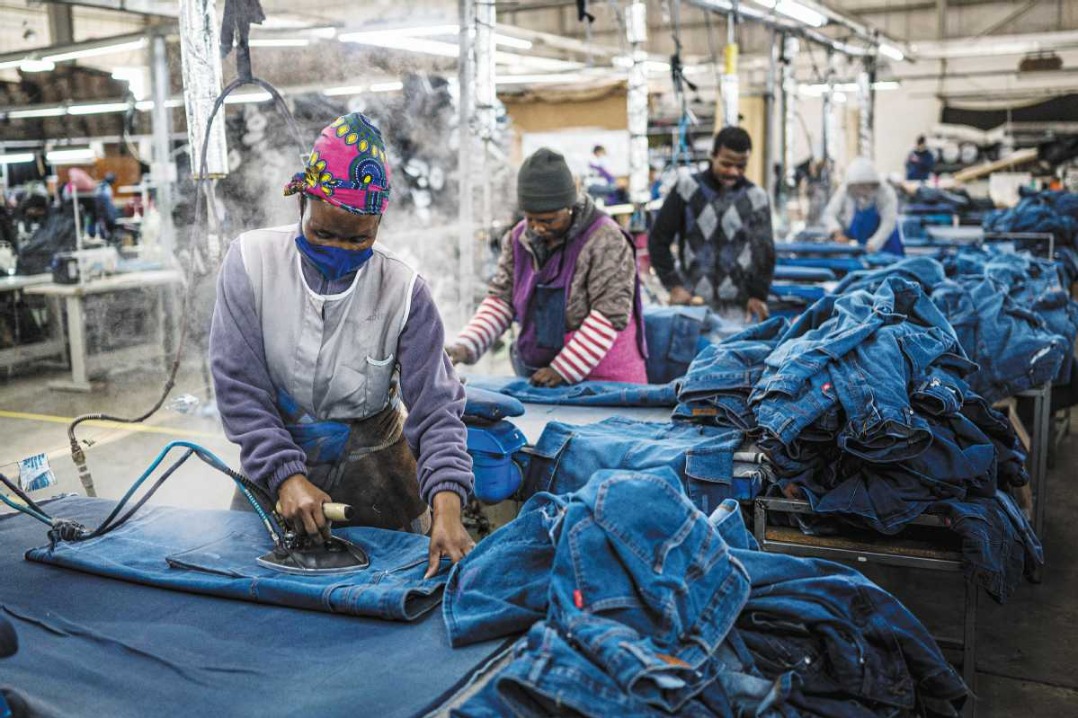
For much of its industrial history, China has been the world's manufacturing center, producing goods at scale for international brands, although it is yet to have many internationally renowned brands of its own. However, that is changing with the country shifting its focus toward building strong global brands. As a result, the Chinese market is no longer defined by volume alone, but also by value, quality and brand recognition on a global scale.
The shift began in earnest 10 years ago when President Xi Jinping emphasized the importance of improving the quality of Chinese products and developing strong domestic brands that could compete on the global stage. It marked a turning point for the country, which had previously focused on internal markets and manufacturing for external brands. Establishing the China Council for Brand Development and China's subsequent participation in the International Organization for Standardization were instrumental in setting international standards that helped Chinese companies expand globally and improved their understanding of brand development for domestic and international markets.
Around that time, I was invited to participate in an ISO committee on brand development and improvement, working closely with the council. The goal was to create a framework for brand development that could be applied worldwide, particularly benefiting Chinese companies. Ten years on, the results are impressive. China is now home to some of the world's fastest-growing brands, such as Huawei, Alibaba and TikTok, all of which have broken into the Brand Finance Global 500 ranking of the world's most valuable and strongest brands.
When I established Brand Finance nearly 30 years ago, China was barely a blip on the global branding radar. But today, China is rapidly moving up the value chain by creating and nurturing its own brands, capturing more of the global market and establishing itself as a leader in key industries. In 2008, only 13 Chinese brands were in the Brand Finance Global 500, worth a combined brand value of $62 billion. In 2024, that number has surged to 72, with a combined brand value of $1.3 trillion.
The evolution from the world's manufacturing base to becoming a brand powerhouse has been remarkable. Ten years ago, China realized that Western brands were capturing much of the value generated by its industries.
This realization drove the country to build its own global brands, moving beyond manufacturing products to capture more value in the production and distribution chain.
This shift from "Made in China "to "Created in China" is part of a broader national drive to make high-quality, emotionally valued brands that can compete globally. For example, Bosideng, China's largest down-clothing brand, now operates widely outside its home market. The brand has reopened its flagship store in London, collaborates with international designers, and has hosted fashion shows in London, Milan and New York.
Brand Finance's global evaluation of brands has given us a unique perspective of China's economic progress. Today, we evaluate over 5,000 brands each year, many of which are Chinese. In recent years, Chinese companies have been moving from focusing solely on domestic markets to actively targeting international audiences. This is evident from the increasing number of Chinese brands expanding their reach beyond China's borders, such as Huawei, Xiaomi and BYD, which have all made significant inroads into Western and other markets.
One of the most striking aspects of China's brand evolution is the strategic decision many companies face when expanding internationally: Should they use their Chinese brand name or acquire a foreign brand? In some cases, authentically Chinese brands are establishing themselves in Western markets, such as the premium baijiu brand Kweichow Moutai and international bank China CITIC Bank. However, MG, a once-British brand now owned by China's SAIC Motor, demonstrates how Chinese companies can also successfully penetrate foreign markets by leveraging well-established Western brands.
Another example is State Grid, the world's most valuable utilities brand, which has expanded internationally through strategic acquisitions and partnerships to operate energy networks outside China. This dual approach — developing new brands while acquiring established ones — has enabled Chinese companies to quickly establish a presence in competitive global markets.
The country's increasing focus on soft power shows the rapid development of its brand-building capabilities. China has invested heavily in enhancing its global reputation, as seen in the rise of its Brand Finance Global Soft Power Index ranking from fifth to third.
The nation is now recognized for its business-friendly environment, technological leadership, and growing portfolio of globally recognized brands. This focus on soft power is not just about enhancing China's image. Greater soft power also directly impacts the success of Chinese brands abroad by making foreign consumers more familiar with and receptive to Chinese products.
Despite these gains, there are still areas where China has room for improvement, particularly in brand perception. While China ranks highly for its technological advancements and ease of doing business, it still lags behind Western countries such as the United States and Germany regarding the perceived quality of its products and brands. However, this gap is closing as more Chinese companies focus on innovation, quality and customer experience, all key factors driving brand loyalty and perception.
The coming decade will likely see even more Chinese brands entering global markets, further eroding the dominance of Western brands. As China continues to refine its brand-building strategies and focus on quality, the global marketplace can expect to see more Chinese companies challenging established industry leaders. The shift from "Made in China" to "Created in China" is well underway, but it has only just begun to influence the global economy.
The author is chairman and CEO of Brand Finance, a London-based brand valuation and strategy consultancy.?The views do not necessarily reflect those of China Daily.