Fiscal balance in central-local ties stressed
Power, responsibilities, resources need to be shared properly, former official says







Efficient handling of fiscal power and responsibilities between central and local governments will be a key task during the implementation of the new round of fiscal reforms, a senior expert said.
The task requires meticulous planning and concrete steps, he said.
In an exclusive interview with China Daily, Zhu Guangyao, former vice-minister of finance, said China is moving in the right direction to solve problems underpinning financial strains in some regions, as outlined by the third plenary session of the 20th Central Committee of the Communist Party of China.
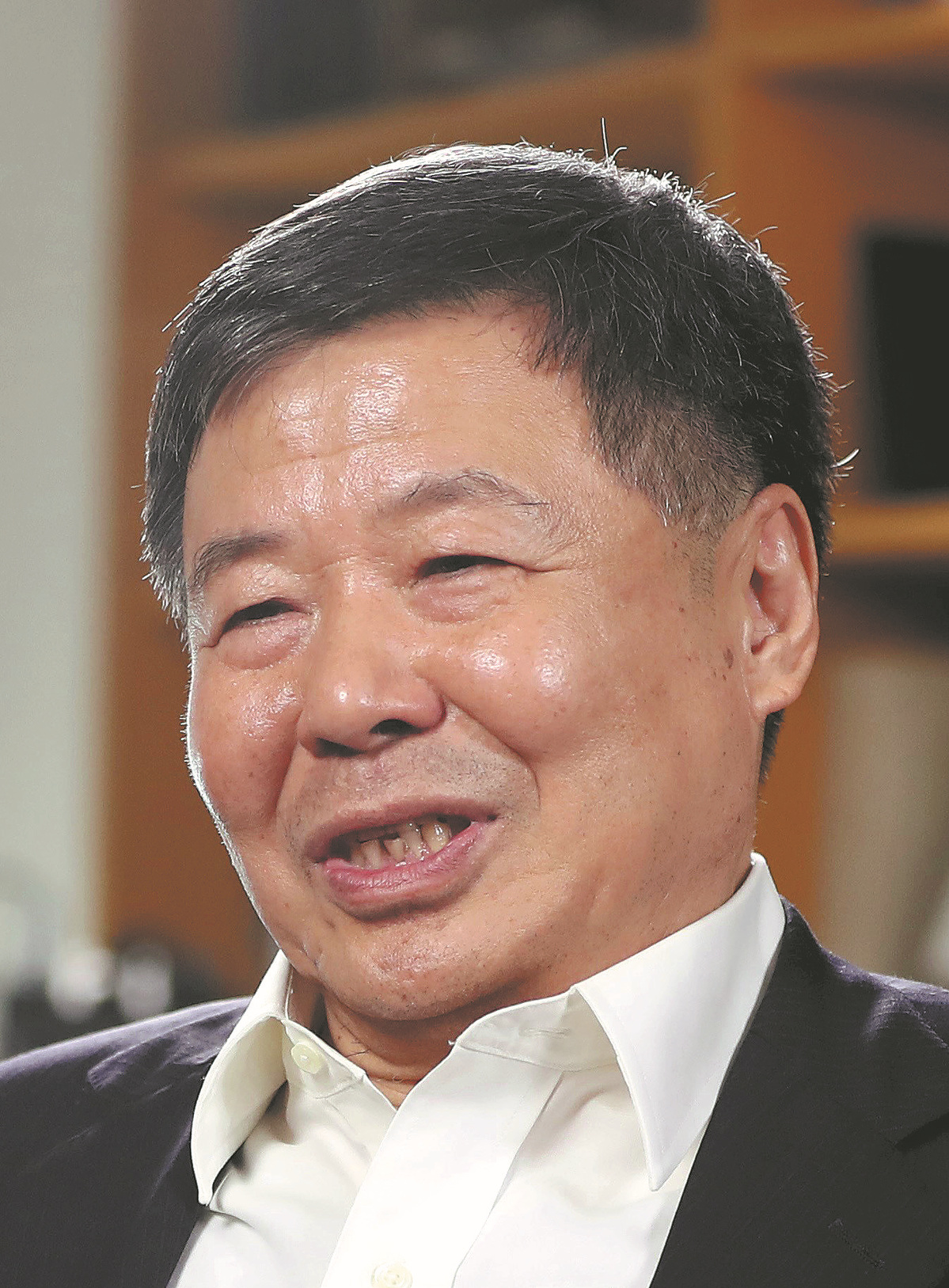
"The key is to take necessary steps to achieve the goals," he said, referring to reform measures that aim to increase the central government's expenditure responsibility and allocate more fiscal resources to local governments.
According to the resolution adopted by the plenum, China will establish a fiscal relationship between the central and local governments that features well-defined powers and responsibilities and the appropriate allocation of resources, with an optimum balance between regions.
The central government will hold more fiscal powers as appropriate and raise the proportion of central government expenditure accordingly. In principle, the expenditures commensurate with such powers should be allocated from the central government, and such powers to be delegated to local governments should be reduced, it said.
"The central government must take more responsibility, and at the same time, reduce some responsibility on local governments," Zhu said.
"That means, some fiscal resources must be transferred to local governments to give them more financial support, better allocating fiscal revenues between central and local governments."
The resolution has vowed to expand the sources of tax revenue at the local level and grant greater authority for tax management to local governments as appropriate, to place more fiscal resources at the disposal of local governments.
The ratio of taxes shared between the central and local governments will be optimized, and the country will look into rolling the urban maintenance and construction tax, education surcharges, and local education surcharges into one single local surtax. Local governments will have the authority to set the rate for this tax within a predetermined range.
The country will also take steps to move excise tax collection further down the production-to-consumption chain, with the power of collection steadily being passed to local governments.
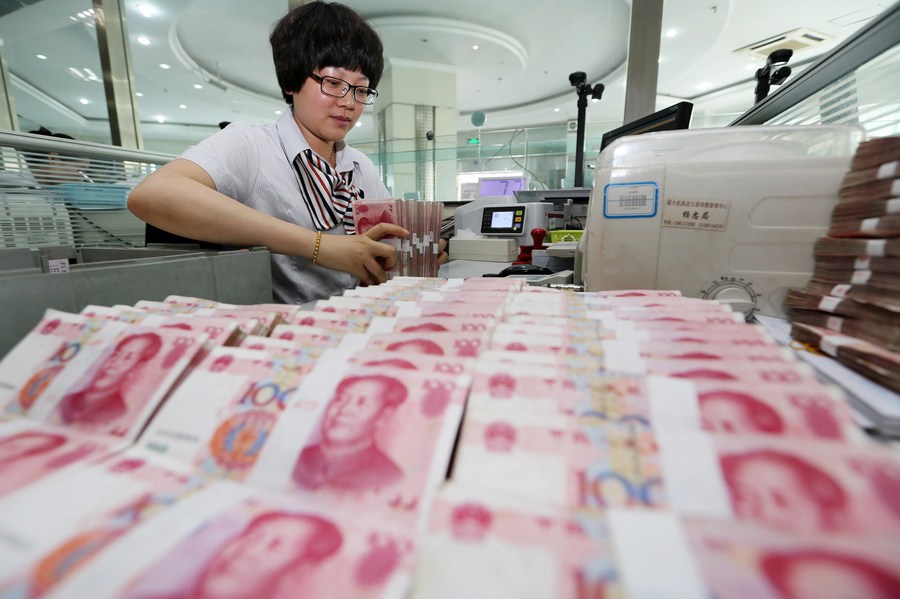
Zhu pointed out that last year, the scale of financial transfer payment in China exceeded 10 trillion yuan ($1.38 trillion), or about half of China's fiscal revenue.
He said he believes such a large amount of transfer payment necessitates reforms to increase direct financial strength for local governments while increasing the central government responsibility accordingly.
Financial transfer payment refers to the funds allocated by higher-level governments to lower-level governments free of charge.
Apart from the measures discussed above, it is important to promote economic growth in order to improve financial conditions of local governments, Zhu said.
"Economic development is the foundation. With economic development, you can collect tax revenue based on the law, and solve the problems regarding how to allocate responsibility and power between central and local governments," he said.
"China with 1.4 billion people is a huge market, for not only industrial products but also consumer goods. We should focus on economic development and raising people's living standards and incomes to promote domestic market, making it more attractive to foreign investors."
China is the only country in the world with a comprehensive system of all manufacturing sectors, with great achievements in industrial digitalization. However, it still needs to enhance original innovation and industrial application of new research findings, he said.