



Meeting highlights need to reinvigorate WTO







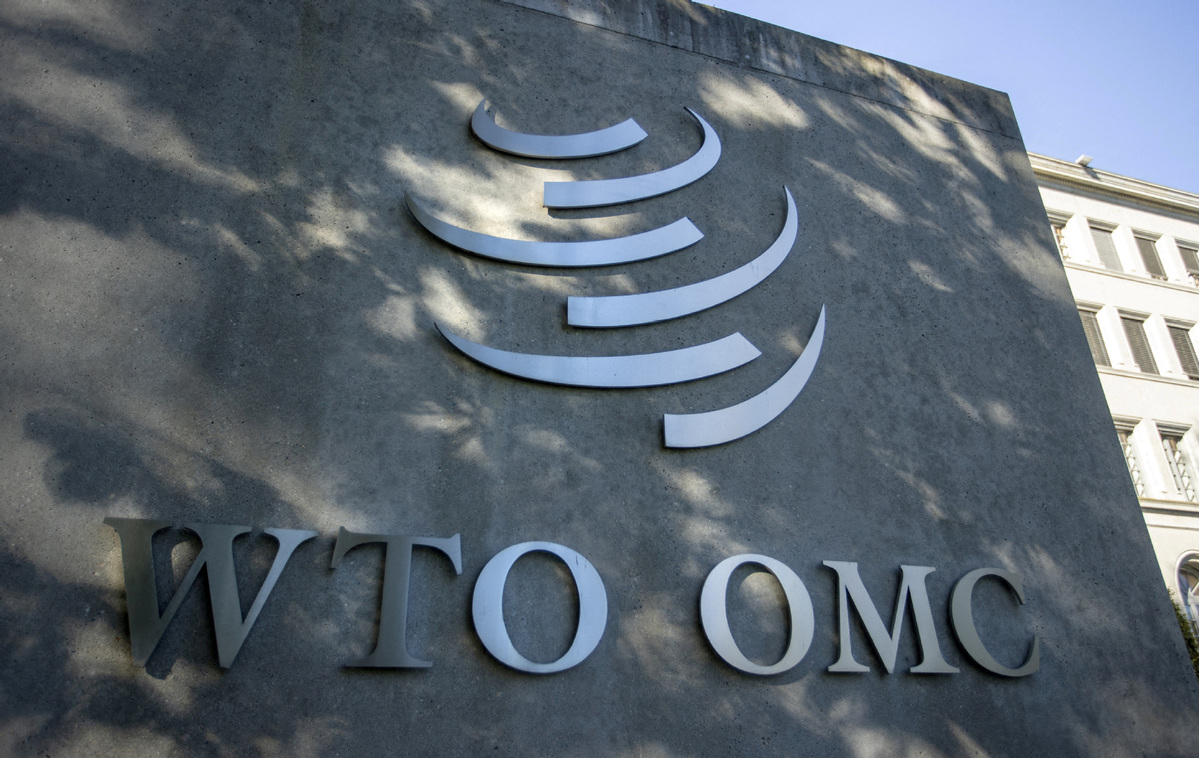
The 13th World Trade Organization Ministerial Conference that trade ministers from across the world attended in Abu Dhabi, the United Arab Emirates, from Monday to Thursday will have profound implications on overcoming global crises and reinvigorating faith in multilateral solutions.
The need to overcome common global challenges has become even more urgent given the lackluster global economic recovery. The global growth rate for 2024 is widely estimated to be 3.1 percent, with the figure for 2025 estimated to be 3.2 percent. The estimated growth rates for both years, however, are lower than the average of 3.8 percent for the 2000-19 period.
In fact, geopolitical tensions and the stalling of trade negotiations are partly to blame for the global economy's underperformance.
Trade negotiations held under the WTO framework are meant to progressively reduce barriers to trade and market access, and increase opportunities for countries to benefit from more efficient production chains and cheaper imports. Trade negotiations, if successful, can create policy certainty and transparency, and boost cross-border commerce and investment.
But the Doha Round of multilateral talks, initiated in 2001, have been stalled for years. At the same time, the share and scope of regional trade agreements beyond the WTO framework have peaked. And this negotiation paralysis has affected the global economy.
The lack of progress in the WTO talks has increased the uncertainties of exporters and investors, prompting them to defer key decisions.
The negotiation stalemate has sapped enterprise confidence in global cooperation, affecting their decisions to strike mega trade deals, and further reducing engagements among global markets. Also, without the smooth functioning of the WTO, unilateralism has been rising as major powers impose tit-for-tat tariffs or weaponize trade tools to fulfill their economic and political interests.
If major economies continue to build trade barriers against each other, the global economy could split into separate, hostile economic blocs. And the overall impact of trade protectionism on the global economy could potentially drag down global GDP by up to 1.1 percent. In sectors such as manufacturing and agriculture, the impact could be specially damaging.
More worrying is the increasing weaponization of trade by some developed economies to achieve their narrow political rather than economic ends, severely undermining core WTO principles such as non-discrimination. For example, the United States has restricted the export of semiconductors to China on the pretext of safeguarding its "national security", setting a dangerous precedent.
If left unchecked, these troubling trends will accelerate, fragmenting the global economy into rival spheres of influence. Resuming the Doha Round of talks and reviving the WTO's dispute settlement mechanism by appointing the required number of judges, which the US has blocked, are vital to restoring the international community's faith in the WTO.
The dispute settlement mechanism hears the appeals of WTO member states in trade dispute cases. With the mechanism paralyzed, disputes between WTO members have intensified, leading to avoidable confrontations, and major economies have been flouting rules they don't like and taking unilateral trade actions.
If such violations go unchecked, it would further undermine the credibility of the WTO and make it even more difficult to enforce common trade rules. This will lead to intensifying tit-for-tat reprisals, pushing the world toward more trade wars.
The WTO does need reforms, but it is important to preserve the development rights of emerging economies and developing countries. The principle of special and differential treatment is crucial for sharing the gains of global trade. Attempts to deprive emerging market economies such as China of the rights guaranteed to them by the WTO are deeply troubling. WTO reforms must incorporate, not isolate, economies, especially emerging economies that have been contributing the most to global growth.
As for trade policies, they should promote mutual benefit by facilitating the integration and development of both advanced and developing economies. Upholding such win-win principles is vital for shared prosperity.
With rhetoric heating up, the 13th World Trade Organization Ministerial Conference has shown the imperative of choosing cooperation over confrontation, and stability over turmoil. China has submitted reform proposals for the WTO, forged consensuses on key issues, and is committed to further opening up its economy and continuing to provide global public goods. It's time other WTO members summoned the political courage to explore pragmatic solutions to the economic problems, and worked together to reinvigorate the WTO.
The author is an associate professor at the School of Public Administration, Hunan University.
If you have a specific expertise, or would like to share your thought about our stories, then send us your writings at opinion@chinadaily.com.cn, and comment@chinadaily.com.cn.





