Chinese New Year celebrations in Kolkata highlight tradition and mobility







For Christopher Chen, celebrating the Chinese New Year with his extended family and old friends in Kolkata, India, is very special as it reminds him of many childhood memories during Spring Festival celebrations in his locality.
"This year we have managed to spend time in Kolkata, our hometown, and celebrate the New Year with our extended family and old friends and neighbors," said Chen, who had spent his childhood in the Tiretta Bazar area and participated in lion dances. Chen had left Kolkata two decades ago for Canada after he got a good job in Toronto.
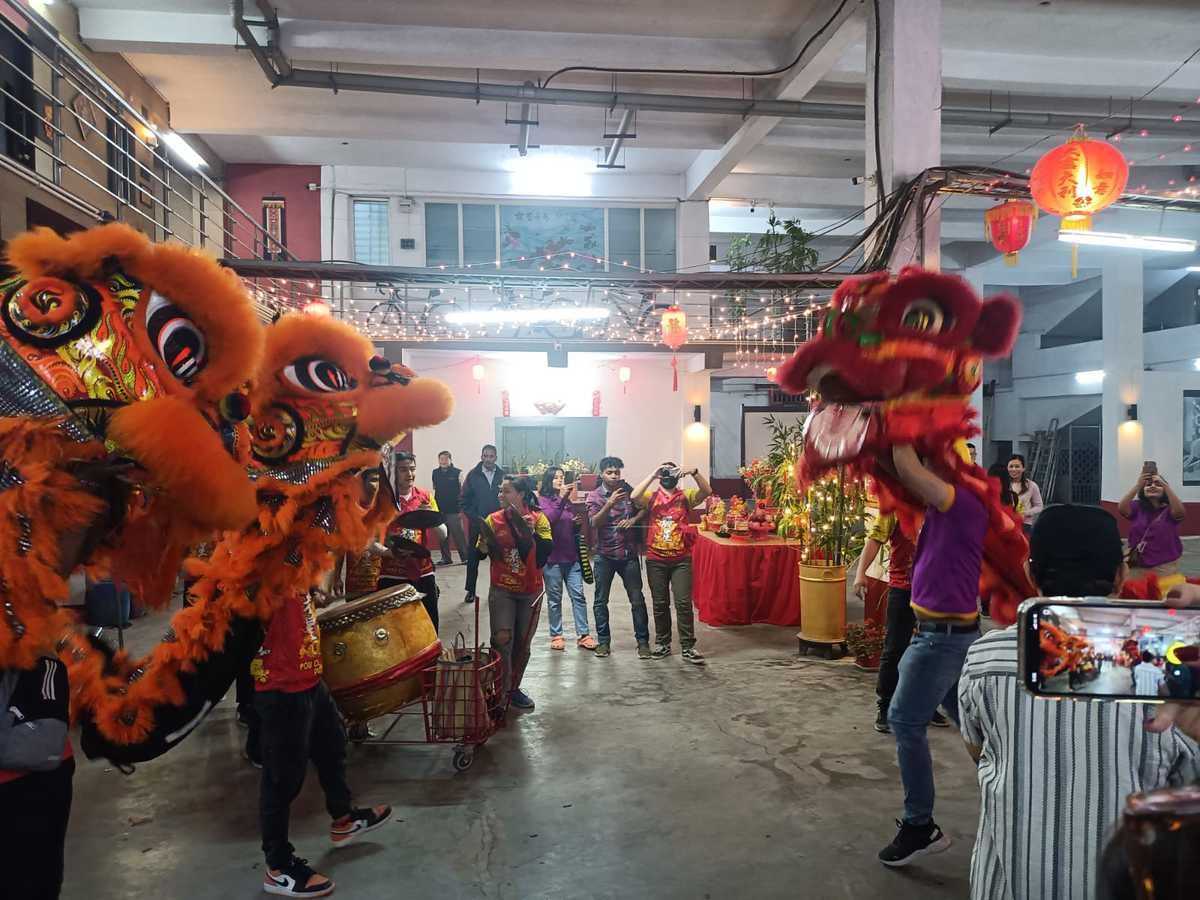
The Chinese community in Kolkata, in India's eastern state of West Bengal, celebrated the Chinese New Year in a traditional way with a great deal of fanfare and extravagance. The community, though declining, organized plenty of events, including lion dances, fireworks, a food festival, and the lighting of Chinese lanterns, with the celebrations taking off on February 10 in the two Chinatowns of Tangra and Tiretta Bazaar in central Kolkata, India's only surviving Chinatowns.
The four-day celebrations emphasized the ethnic variety of the city and provided a sample of the history, traditions, customs, and lifestyles of the community. Since the late 18th century, when Chinese first arrived in Kolkata, the community has celebrated the Lunar New Year, the largest traditional Chinese celebration, annually. Many Chinese gathered in Tangra and performed the Lion Dance on Feb 11.
This year, it is remarkable that many Indian-origin Chinese people whose roots are in Kolkata and who had migrated to Canada, Australia, Europe, the Middle East, and other Indian cities from Kolkata decades ago for education, jobs, and better opportunities have returned to Kolkata just to celebrate the Chinese New Year in their hometown with their relatives, old friends, and neighbors.
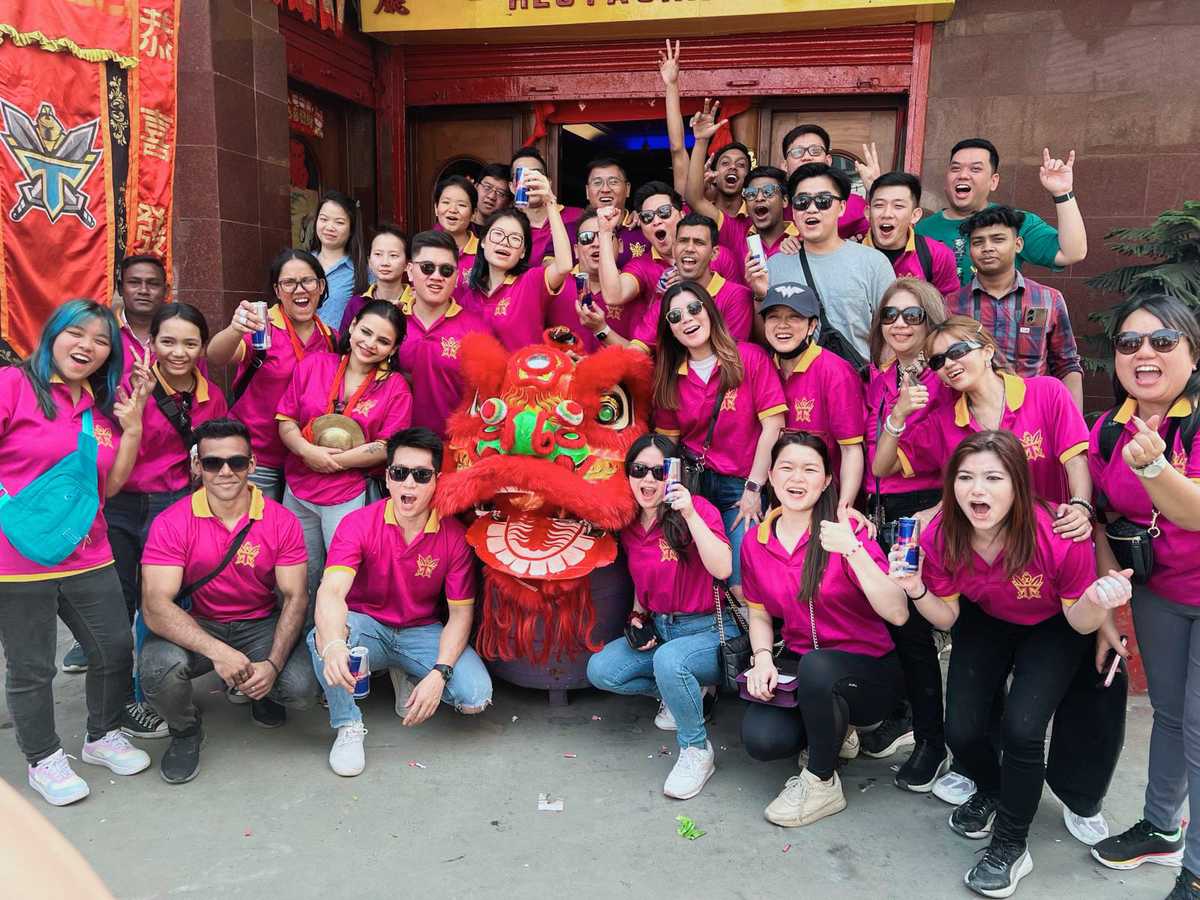
The Chen family is one of these returnees. They arrived from Canada after six years. For Christopher in his late 50s, the best part of the festival is family reunion.
Chen's family is one of the few ethnic Chinese Indian families who still call Kolkata their home. Chen's paternal grandfather, who came to Kolkata during World War II from China.
In the late 90's, around fifty to sixty lion dance groups used to take part during the festival in the Tiretta Bazar area, but now the number has reduced to just four or five, lamented Thomas Chen, another Indian-origin Chinese. Thomas is also the joint secretary of the Indian Chinese Association for Culture, Welfare, and Development.
Most Chinese in the city are of Hakka and Cantonese ethnicities. Francis, a third-generation Indian-origin Chinese pop singer, has flown to Kolkata from Bengaluru to celebrate this biggest traditional event with his family members and old friends in central Kolkata.
For many years, the community has been organizing cultural events like singing and dancing at Pei May Chinese High School, a Chinese school located in Tangra. In the 80's and 90's, many popular musical bands used to perform live music for the whole night each of the four days of the New Year on the school premises, recalled Francis. This year, many cultural events have also been organized, and many food stalls came up in the school, but it has lost its old pomp and grandeur due to the dearth of the new generation of Chinese, said Francis, who had spent his childhood in central Kolkata.
It is nostalgic to meet my relatives, neighbors, and old Chinese and non-Chinese school friends in Kolkata, said Francis.
Pei May Chinese High School is one of the city's last Chinese schools that closed down many years ago due to the dearth of a new generation of Indian-origin Chinese. Nowadays, the children have grown up, and generally, there is a dearth of children in the community as most of the new generation has moved out of the city for a better future and livelihood, according to Thomas Chen.
"The city's Chinese community gets along well with other communities, and we all take part in each other's celebrations throughout the year. Local non-Chinese people have become an integral part of the Chinese New Year celebrations," said Janice Lee, a Chinese entrepreneur and third-generation Chinese in Kolkata.
Kolkata once boasted a significant population of over 20,000 ethnic Chinese-Indian nationals living in Tiretta Bazar (Old Chinatown) and Tangra (New Chinatown) in east Kolkata, with their own schools, social clubs, festivals, and newspapers.
Now around 1,500 of them still live here, said Chen, expressing worry that if the migration continues, there's "a high chance that the Chinese community might vanish" from the city within the next few years.
The community needs support, opportunity, and encouragement to arrest the declining numbers, added Chen.
Records cited by historians Zhing Xian and Tansen Sen in their paper "The Chinese in South Asia" (published in the Routledge Handbook of the Chinese Diaspora) show that in the latter half of the 18th century, a few hundred Chinese migrants had come to Calcutta (now known as Kolkata) on ships that arrived from Canton, now Guangdong province, of China.
But the most well-known "first" settler was a tea trader named Yang Dazhao, nicknamed Atchew, who received a land grant from the then British governor-general Warren Hastings in 1778 near Budge Budge, on the eastern bank of the Hooghly River. Atchew set up a sugar mill on the plot in the area, now called Achipur, and began to bring laborers from China.
The writer is a freelance journalist for China Daily.