



The ascendancy of the yuan: Analyzing recent trends in trade financing







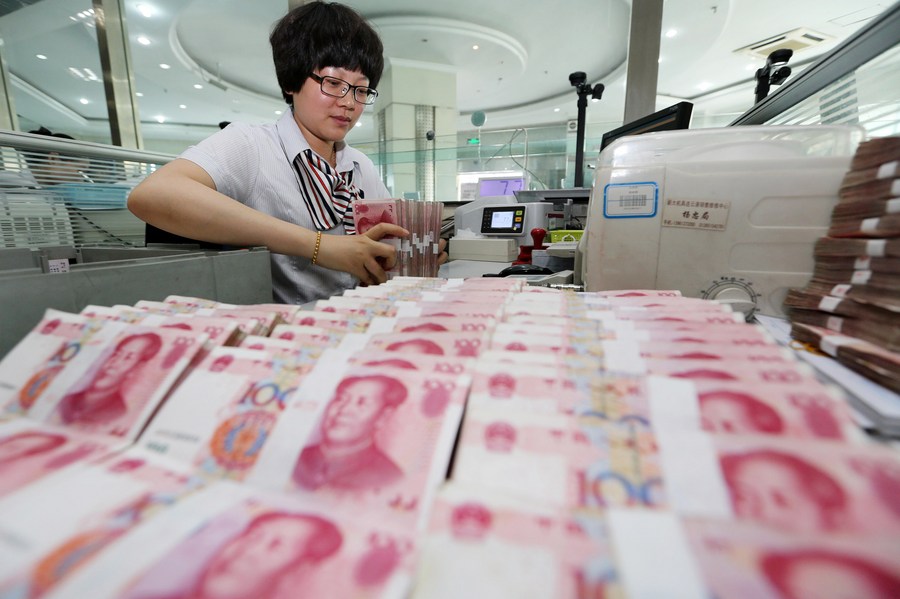
In recent years, trade finance markets have borne witness to the momentous ascendancy of China's currency, the yuan. Amidst a backdrop of fluctuating interest rates and mounting uncertainties, corporations have demonstrated a marked preference for yuan-denominated funding owing to its relative cost competitiveness.
Surging Dim Sum and Panda Bond Issuances
One striking indicator is the record-breaking issuance of offshore "dim sum bonds" in Hong Kong and "panda bonds" on mainland Chinese exchanges, with cumulative value surpassing 440 billion yuan by 2023. With China maintaining substantially lower interest rates compared to other major economies experiencing rate hikes, foreign firms have flocked to tap yuan funding pools by issuing bonds in both the onshore and offshore yuan markets. While predominantly utilized for domestic Chinese investments, this rapid expansion reflects corporate interests in leveraging relatively inexpensive yuan financing.
Dominating trade finance through Yuan loans
Concurrently, Chinese banks have significantly scaled up cross-border lending to corporations seeking yuan-denominated trade funding. Estimates indicate yuan loans currently account for over 5.8 percent of global trade finance volumes – second only to the US dollar and ahead of the euro. With Beijing encouraging its financial institutions to internationalize, foreign firms are capitalizing on cheaper yuan interest rates of 2-3 percent versus 4-5 percent in Western markets roiled by inflation. However, wider adoption hinges on perceptions of China's longer-term economic trajectory.
Favorable rate differentials boost currency appeal
The competitiveness of yuan financing stems from substantially lower Chinese interest rates anchored between 2.5-3.5 percent, in sharp contrast to escalating borrowing costs in other major economies. The widening rate gap induced by monetary tightening abroad compared to Beijing's prudent stance incentivizes a shift from US dollar and euro funding towards the yuan. This dynamic highlights the currency's growing attractiveness as a lower-cost alternative during periods of financial market volatility.
Gradual internationalization remains constrained
While yuan usage in trade finance marks a step forward, true internationalization requires overcoming key constraints. Offshore bond proceeds overwhelmingly fund onshore projects, limiting exchange. Transaction settlement selectively aligns with political alignments rather than following market forces. Tight currency controls also impede diversification abroad. US dollar dominance and geopolitical frictions further curb the yuan network's expansion. Capital account opening necessitates prudent sequencing amid risks.
In summary, record-setting issuances, rising cross-border lending volumes, and auspicious interest rate differentials substantiate the growing prominence of the yuan in corporate trade financing. Yet China's success in developing an inclusive yuan network faces challenges navigating a gradual internationalization process heavily dependent on wider economic opening and constructive political cooperation. Ongoing observation of policy shifts offers insights into future yuan trajectory amid systemic transitions underway.
The author is a Beijing-based commentator.
The views don't necessarily reflect those of China Daily.
If you have a specific expertise, or would like to share your thought about our stories, then send us your writings at opinion@chinadaily.com.cn or comment@chinadaily.com.cn.





