



China-Pakistan Health Corridor on bilateral healthcare







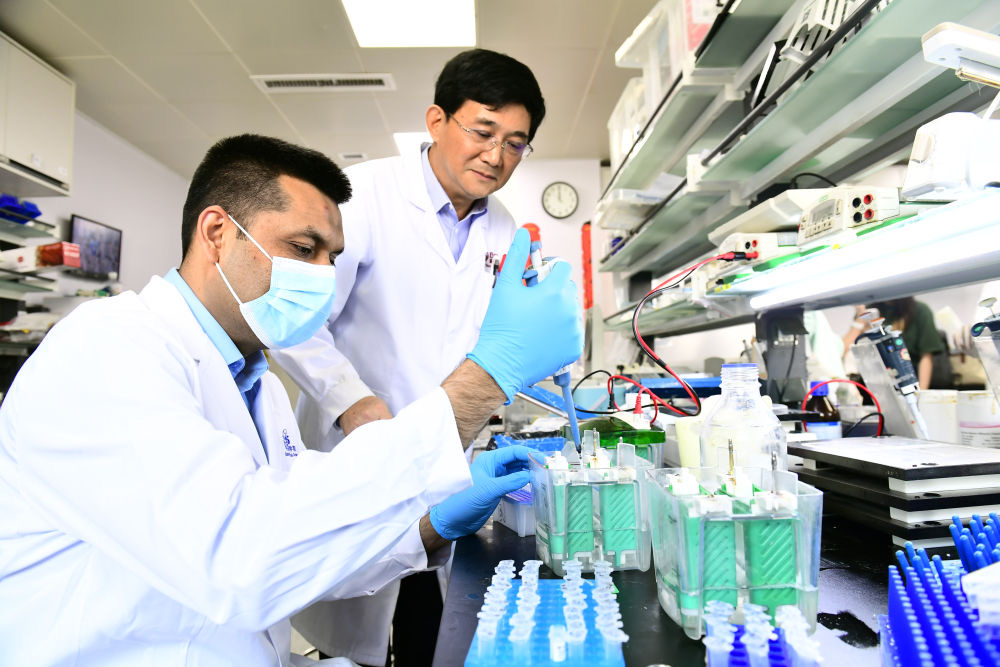
The China-Pakistan Health Corridor (CPHC), an integral component of the CPEC, stands as a testament to the power of collaboration and visionary leadership in times of health crises. In the wake of the coronavirus outbreak, I, as an eyewitness, experienced the remarkable courage and cooperation of the Chinese nation in preventing and controlling this deadly virus. The rapid establishment of hospitals and health infrastructure, accomplished within days, highlighted the effectiveness of China's response.
In 2006, when I was a student at Shandong University, the idea was conceived by me to establish the CPHC to make a significant contribution to the health sector in both China and Pakistan. Fast forward to 2013, this idea saw an opportunity to bring about transformative change in healthcare. The result was the establishment of the CPHC, a multidisciplinary collaboration aimed at bolstering healthcare infrastructure, knowledge exchange and mutual cooperation between the two nations.
The CPHC comprises a diverse array of stakeholders, including hospitals, nursing and auxiliary medical institutions, research and training centers, IT firms, and pharmaceutical industries. This comprehensive approach reflects a commitment to addressing various aspects of healthcare, from service delivery to research and technological innovation. Key initiatives include mobile hospitals, which allow for the extension of medical services to remote and underserved areas, addressing one of the critical challenges in Pakistan's healthcare system. This initiative brings healthcare closer to the people, improving accessibility and promoting preventive care. Next is technology integration which leverages cutting-edge technologies such as artificial intelligence, virtual reality and big data.
The CPHC is at the forefront of healthcare innovation, enhancing diagnostic capabilities, streamlining data management and facilitating efficient healthcare delivery. The other key initiative is pharmaceutical collaboration, promoting the exchange of knowledge and resources, fostering the development of high-quality and affordable medications. This initiative contributes not only to the well-being of the population but also to the economic growth of both nations.
The Chinese experience in managing and controlling health crises, exemplified by their response to COVID-19, provides invaluable insights for Pakistan as it strives to strengthen its own healthcare system. The coordinated and swift response became a hallmark of China's success in preventing and controlling the spread of the coronavirus, showcasing the nation's resilience and commitment to public health.

The CPHC aligns with Sustainable Development Goal 3, which emphasizes the importance of good health and well-being. By sharing expertise and adopting best practices, this initiative contributes significantly to building a resilient healthcare infrastructure that can withstand current and future challenges. The CPHC is not just a one-way transfer of knowledge; it represents mutual cooperation and a win-win situation for both nations. As China shares its advancements in healthcare, Pakistan reciprocates with its unique insights and experiences, fostering a collaborative environment that benefits both countries.
The success of China's coordinated response to the coronavirus can be attributed to the collective efforts of its people, backed by a government that prioritized the health and well-being of its citizens. The rapid construction of hospitals, implementation of stringent measures, and the mobilization of resources demonstrated the efficiency and effectiveness of China's pandemic response strategy. The experience of China in managing health crises can be invaluable for other countries, especially those involved in the Belt and Road Initiative (BRI). The CPHC, an extension of the CPEC, provides a unique opportunity for collaboration in health diplomacy. By leveraging Chinese expertise and resources, BRI countries can enhance their capacity for epidemic prevention, control and healthcare infrastructure development.
The CPHC facilitates the exchange of knowledge, technology and resources, paving the way for a collective effort in addressing health challenges within the BRI framework. BRI countries can benefit from China's experience by sharing expertise in epidemic prevention, control measures and healthcare infrastructure development. Collaborative efforts through the CPHC can contribute to the capacity building of healthcare professionals, equipping them with the skills needed to tackle health crises effectively. The collaboration can lead to the development of robust healthcare infrastructure, ensuring that BRI countries are better prepared to handle emergencies and provide quality healthcare to their citizens. Joint efforts in research and development can accelerate the discovery of vaccines, treatments and diagnostic tools, fostering innovation in the field of public health.
The CPHC is not just a physical link but a pathway towards health diplomacy, demonstrating the potential for collaboration in addressing global health challenges. It also stands as a testament to the power of visionary thinking and international collaboration in addressing crucial issues such as healthcare. This initiative not only enhances the healthcare landscape in Pakistan but also strengthens the bonds of friendship and cooperation between China and Pakistan. As the corridor continues to evolve, its impact on the health sector and beyond is poised to be a beacon of success in Sino-Pak relations.
The author is President of China Pakistan Medical Association & Founder of China-Pakistan Health Corridor. He is also associated with FDS Consortium for International Cooperation.
If you have a specific expertise, or would like to share your thought about our stories, then send us your writings at opinion@chinadaily.com.cn or comment@chinadaily.com.cn.





