



Contraception vital regardless of population trends







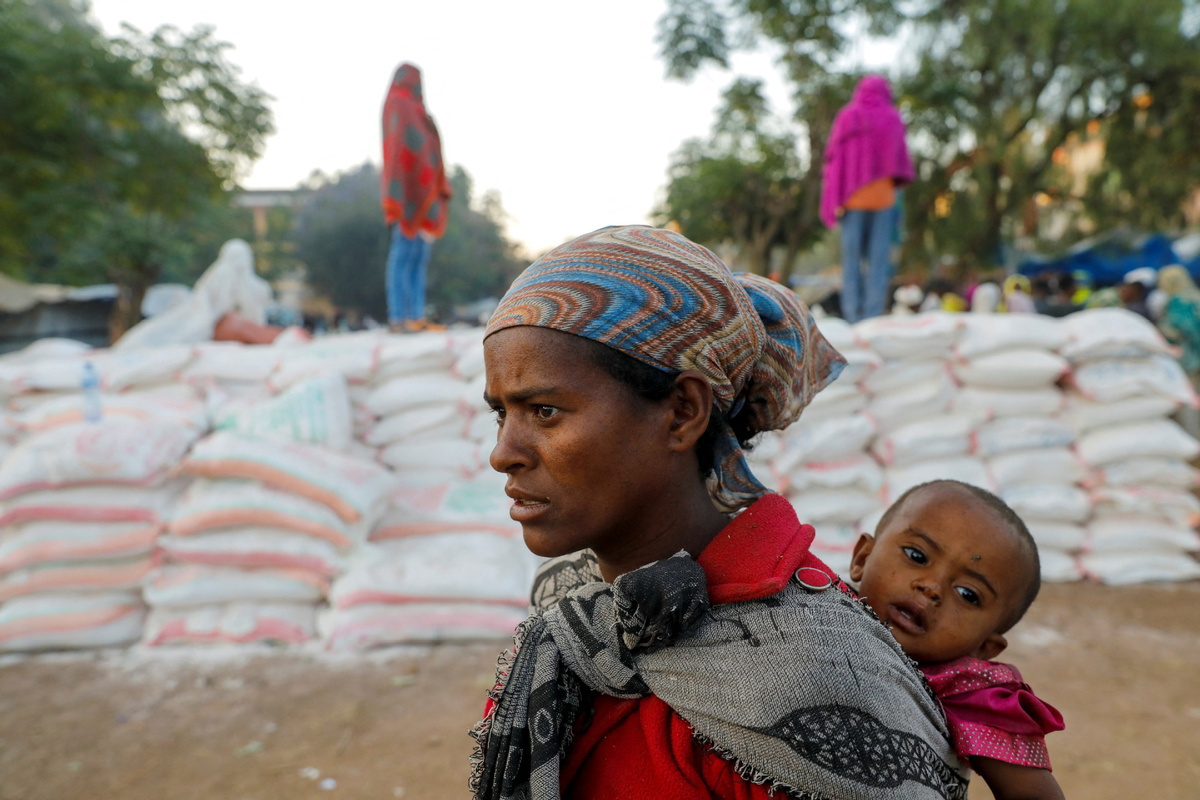
Despite the progress made over the last decade to increase access to contraception, World Contraception Day on September 26 provides an opportunity to highlight the needs of the 257 million women around the world who want to avoid or delay pregnancy and yet are not using a safe, modern method of contraception. By 2030, this number could rise to 271 million because contraceptive services are not keeping pace with rapid population increases in developing countries.
But what relevance does World Contraceptive Day hold for women living in the 50 countries with very low or ultra-low fertility, countries where women and their partners have an average of 1.5 or fewer children? It can be easy to fall into the trap of thinking that a focus on contraception, also referred to as family planning, is needed only in countries where the population is growing rapidly and where women are having more children than they would like. But regardless of population size or population trends, contraception remains a critical enabler of sexual and reproductive health, gender equality and socioeconomic development in any society.
Whether a country has high or low fertility, access to contraception is a fundamental human right. Next year the world will celebrate 30 years since the first International Conference on Population and Development was held in Cairo in 1994. At that conference, 179 governments adopted the ICPD Programme of Action which included recognition of people's right to decide when, if and how many children they have. To realize that right, all women and their partners need to be able to access high-quality counseling and the contraceptive method of their choice.
Contraception doesn't determine choices about family size. Instead, it allows women and their partners to exercise that choice. Research shows that women and their partners choose to have no or fewer children for a number of interrelated social and economic reasons. Rising costs of housing and education, the irreconcilable tension between the demands of career and parenting, lack of affordable, quality childcare, and gender norms that place an unequal burden of domestic work and childcare on women have all been shown to influence women's and couples' decisions whether or not to have children.
Due to these socioeconomic pressures, in most countries with low fertility, women are having fewer children than they would like. For example, in China, women have an average of 1.3 children but when asked how many children they would like, the average is 1.8 children.
For this reason, purposely restricting access to contraception as a government policy response to declining fertility does not work because it doesn't address the root causes of the decision by women and their partners to have fewer children. Evidence from countries that have tried this approach shows that not only does it have little to no effect on the national birth rate but can lead to negative outcomes, too, such as increased maternal mortality and more abandoned children.
Governments in low fertility countries should therefore focus on addressing the gap between actual and desired family size and introduce a package of policies and investments that will reduce barriers to parenthood, improve family life and address gender inequality. For example, the availability of high-quality, affordable childcare, flexible work hours and paid parental leave can all improve working parents' lives and such policies can help women and couples to have the number of children they desire.
Even when governments don't formally restrict access to contraception as a response to low fertility, there is still a risk that a government in the grip of "demographic anxiety" over a declining fertility rate would start de-prioritizing contraception as it shifts its attention to family-support policies. This can create a "domino-effect" of disinvestment across the supply chain: less investment in R&D to develop the next generation of contraceptives, scaled-back production by manufacturers, reduced allocation of public health budget for contraception procurement, less training for health workers in counseling and service provision, fewer community awareness campaigns, especially among adolescents and young people.
As a result of this, women and adolescent girls who need family planning to prevent an unintended pregnancy will find it more and more difficult to access the contraceptive method that best meets their needs.
Access to contraception remains essential for women throughout their reproductive years, regardless of their fertility decisions. For couples who choose to have children, being able to decide on the spacing of births has both health and economic benefits. It is recommended that women allow two-three years between births to ensure the best health outcomes for themselves and their child, and contraception allows them to do so. Lower income households can find it easier to manage the cost of raising a child when there is a two-three-year gap between births and parents can have more time to focus on the needs of individual children. These health, economic and social advantages of spacing of births with the support of contraception also benefit society as a whole.
Contraception also plays an important role in allowing women and their partners who choose to have children to decide the total size of their family. Whether a woman has one, two or three children, she will spend many years having the ability to conceive while not wanting to do so. For example, if a woman has her first child at 25, chooses to have two more children and remains fertile until 42, she could experience 14 years where she is able to conceive but does not want to have any more children because her family is complete.
What about young people who do not wish to start a family yet? In many societies, marriage and childbirth remain interlinked, but as the average age of marriage increases, young people can find themselves in relationships for an increasing number of years during which time they don't want to have a child. Preventing an unintended pregnancy through contraception is better than responding to an unintended pregnancy through abortion. Increasing contraception awareness through age-appropriate sexuality education and ensuring contraceptive access through high quality, non-judgmental health services is vital to enabling adolescents and young adults to manage their individual reproductive choices.
Contraception remains as important today as it was 30 years ago when the first International Conference on Population and Development was held. With the right policies and investment, we can build thriving, inclusive societies regardless of population size, and universal access to safe and effective contraception is essential for the health and well-being of those societies and the empowerment of women and girls to make choices about their own bodies and lives.
The author is representative of the United Nations Population Fund in China. The views don't necessarily reflect those of China Daily.
If you have a specific expertise, or would like to share your thought about our stories, then send us your writings at opinion@chinadaily.com.cn, and comment@chinadaily.com.cn.





