



Promoting sustainable healthy diets
Diets account for 8 to 12 percent of the total greenhouse gas emissions in China, underlining the need to address the eating pattern







Diets account for 8 to 12 percent of the total greenhouse gas emissions in China, underlining the need to address the eating pattern
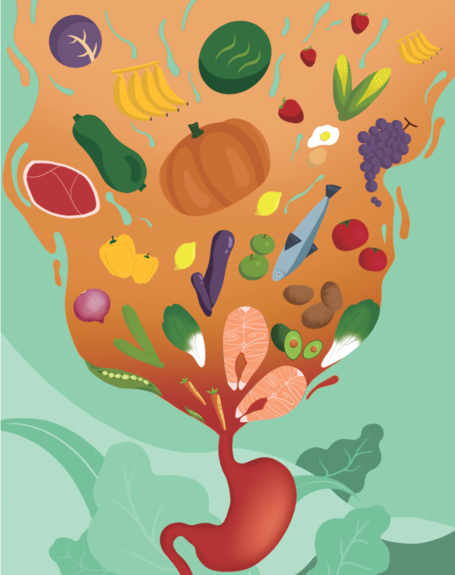
The global food and nutrition security situation remains grim and, unfortunately, progress in eliminating hunger, food insecurity and multiple forms of malnutrition has been hindered or even reversed. It is estimated that, globally, 702 million to 828 million people (8.9 to 10.5 percent of the total population) faced hunger in 2021, with 150 million more added during the COVID-19 pandemic.
Approximately 2.3 billion people face moderate or severe food insecurity, with 11.7 percent facing severe food insecurity. Nearly 3.1 billion people could not afford to have a healthy diet, 112 million more than in the year before. The causes of food insecurity are multifaceted, including the impact of the COVID-19 pandemic, the crisis in Ukraine and climate change. Simultaneously, per capita income in many parts of the world has been adversely affected, and food prices have risen, further reducing people's ability to have a healthy diet.
People's diets are closely intertwined with nutrition and health, resources, and the environment. Regarding nutrition, a quarter of adult deaths worldwide are attributed to poor diets that are low in fruits, vegetables, nuts and whole grains, and high in ultra-processed foods, red and processed meats, and sugary drinks.
Regarding resources and the environment, food systems account for more than one-third of global greenhouse gas emissions and use a large and growing amount of natural and environmental resources, including land, water and fertilizers containing nitrogen and phosphorus.
There is a global consensus on the importance and urgency of moving toward sustainable and healthy diets. In 2010, the Food and Agriculture Organization of the United Nations introduced the concept and definition of "sustainable diets" — diets having low environmental impact that contribute to food and nutrition security and healthy lives for present and future generations.
Sustainable diets are protective and respectful of biodiversity and ecosystems, culturally acceptable, accessible, economically fair and affordable, nutritionally adequate, safe and healthy.
The EAT-Lancet Commission proposed sustainable and healthy diets in 2019, advocating the integration of healthy and sustainable diets into the same framework. In the same year, the FAO and the World Health Organization first defined sustainable and healthy diets: dietary patterns that promote all dimensions of individuals' health and well-being; have low environmental pressure and impact; are accessible, affordable, safe and equitable; and are culturally acceptable. The 2012 State of Food Security and Nutrition in the World recommends that by 2030, all countries must move toward sustainable healthy diets to minimize health and climate change costs.
Like in most other countries, current diets in China face challenges being healthy and sustainable. On the one hand, in some cases, dietary imbalances cause micronutrient deficiencies and result in overweight and obesity. Chinese people's intake of edible oil and salt is relatively high, while their intake of whole grains, dark green vegetables, fruits, dairy, fish and shrimp, and soybeans is generally insufficient. On the other hand, high input-driven agriculture and food production, distribution (storage, processing, transportation) and consumption methods are environmentally costly and unsustainable. For example, excessive use of chemical inputs has caused severe soil contamination and degradation of the land. The quality of more than two-thirds of arable land in China should be further improved. It is estimated that diets in China account for 8 to 12 percent of the total greenhouse gas emissions in the country.
What sustainable and healthy diets suit the Chinese population and the current agri-food situation? How can sustainable and healthy dietary patterns be promoted? These are the issues that should be addressed.
First, national dietary guidelines should be optimized further by considering the dietary habits of the Chinese population. Equally important, region-specific dietary guidelines should be formulated. For example, Chinese people should generally increase their consumption of whole grains, fruits and soy products and reduce their consumption of ultra-processed foods, refined grains and red meat. While people in Southwest and South regions should reduce meat consumption, those in North and the Northeast region should increase vegetable consumption.
Second, sustainability in addition to health should also be taken into consideration in Chinese national and regional diets. Carbon emissions from total food consumption are estimated to increase from 1.18 billion metric tons in 2020 to 1.28 billion tons in 2030. The structure of food production and consumption needs to be adjusted to minimize the environmental footprints. For instance, integrating global food resources (through proper level of food imports), reducing refined grain consumption, increasing fruit consumption, substituting meat with soybean consumption, and adjusting the structure of meat consumption can significantly reduce pressure on the environment.
Third, international trade and overseas investment should be reformed to improve people's diets. In the past 20 years, trade in agricultural products between China and the rest of the world has reflected a steadily growing trend. Influenced by international trade and investment, Chinese residents have increased the ratio of fat and protein in their energy supply mix and the consumption of sugary beverages, thereby raising the risk of obesity and overweight. Therefore, combined with foreign direct investment access policies and the inclusion of dietary nutrition improvement targets in trade negotiations, both domestic and overseas markets and resources should be used to promote China's transition to a sustainable and healthy dietary model.
Fourth, targeted dietary intervention programs should be designed and implemented. A national nutrition improvement plan needs to be implemented to strengthen nutrition education and guidance, considering different groups of people and various consumption scenarios. Food education should be introduced to guide citizens toward nurturing good dietary habits and taking direct responsibility for their health. Furthermore, it also requires creating a favorable market environment to motivate consumers to choose sustainable and healthy diets. At the same time, policies, regulations and financial support can encourage enterprises, institutions and communities to build central kitchens to improve diets.

Fan Shenggen is the dean of the Academy of Global Food Economics and Policy and chair professor at China Agricultural University. Meng Ting is an associate professor in the College of Economics and Management at China Agricultural University. The authors contributed this article to China Watch, a think tank powered by China Daily.
Contact the editor ateditor@chinawatch.cn





