



End of health emergency not end of infections







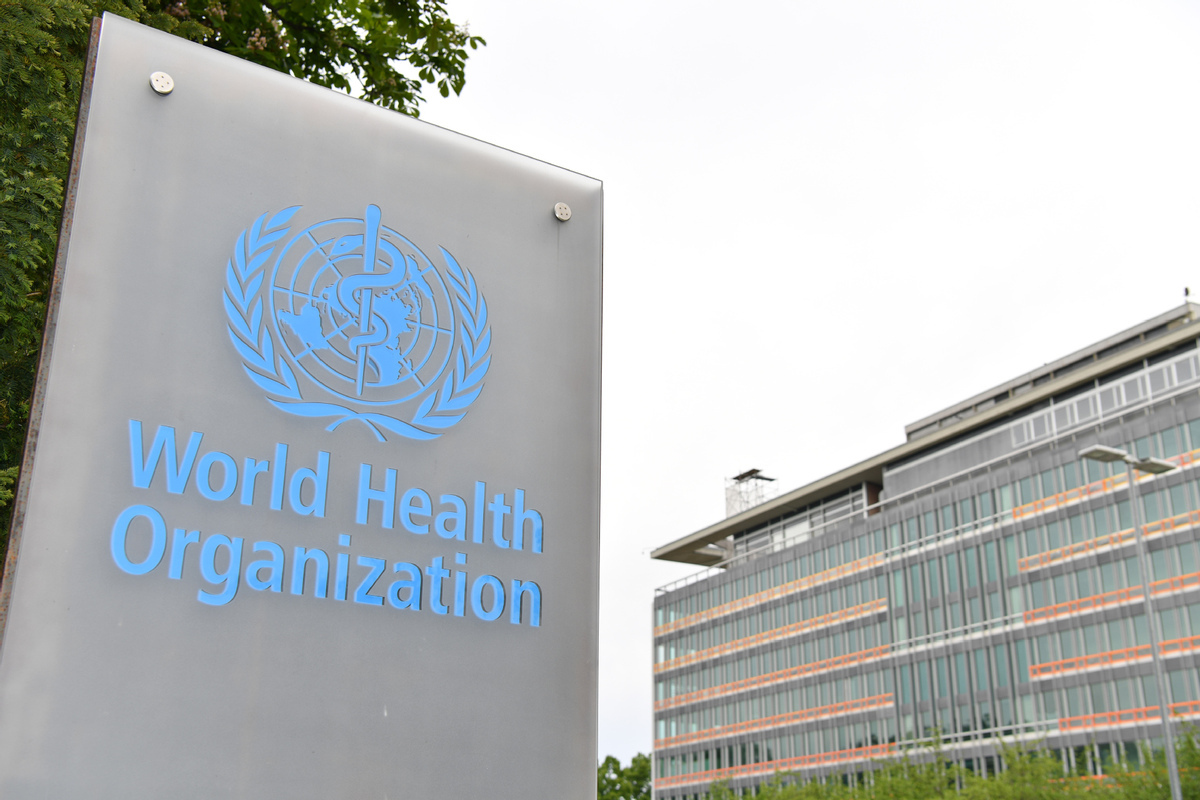
Although the World Health Organization announced on May 5 that COVID-19 no longer constituted a "public health emergency of international concern", it does not mean the novel coronavirus or its many variants or sub-variants no longer pose a threat to human health. Instead, it signifies an adjustment in the assessment of infections and vaccine administration, and indicates that the health hazards created by the virus can be overcome.
Since the beginning of this summer, for example, there has been a rise in the transmission of the virus in China, with noticeable increases in both initial and repeat cases of infection. This indicates the fight between humans and COVID-19 may continue for some time to come.
An article published in Nature on May 1 says a large-scale outbreak of COVID-19 that might overwhelm hospitals may not be the norm anymore, but frequent, smaller-scale outbreaks with lower mortality rates are possible, and such outbreaks will primarily be manifested in higher rates of mild infections caused by new variants or sub-variants of the virus.
In a news conference held by the State Council Joint Prevention and Control Mechanism on May 8, National Health Commission spokesperson Mi Feng said: "This announcement (the May 5 WHO announcement) does not mean that the COVID-19 pandemic as a global health threat has ended." It only means that countries "need to transition from emergency mode to managing COVID-19 alongside other infectious diseases".
As such, the public should view the government measures taken against COVID-19, classified as a "category II" infectious disease, in a scientific and rational manner, without panicking if there is an increase in infections or being complacent about the disease.
In fact, China has been continuing with certain measures. First, it has been continuously monitoring the mutation of the virus and the developing situation, while improving the public health system. The government has also established a multi-channel monitoring and early warning system, especially in urban communities, hospitals and other key locations. This helps it to study the changing pattern of the virus and disease, make timely risk assessments, and initiate immediate on-site investigations in case of any cluster outbreaks.
Second, China has been strengthening the vaccine administration among the high-risk and priority groups. Since the protective antibodies against COVID-19 acquired through infection or vaccination may gradually decline over time and increase the risk of re-infection, widening the vaccine coverage is the most cost-effective and efficient way of controlling the spread of the virus.
In particular, the government's measures are specially focusing on the elderly, unvaccinated individuals, people living with serious diseases, and those with a relatively weak immune system. Compared with the general public, high-risk individuals face a higher risk of severe illness or even death if re-infected by the virus.
Although vaccination is a personal choice, those who refuse to be vaccinated or are yet to be vaccinated should realize that vaccination will not only protect them against the disease but also prevent them from transmitting the virus to others. By getting vaccinated, individuals contribute to the collective effort of controlling the spread of the virus and protecting vulnerable groups. In short, vaccination helps create a safer environment for everyone and plays a vital role in ending the pandemic.
Third, the government has been improving its clinical treatment capability, particularly the treatment of severe cases. For that, however, it also has to strengthen the monitoring of diagnostic and treatment mechanisms, better coordinate the allocation of medical resources at all levels, improve the referral channels, and ensure prompt response to any emergency situation.
People, in general, also have a role to play in coping with the pandemic. For instance, they can maintain the good hygiene practices they have developed over the three years of the pandemic. They can wear face masks in crowded places or areas with poor ventilation, frequently wash their hands, maintain personal hygiene, eat a balanced diet, exercise regularly and get sufficient sleep. And in case they contract the virus, they need to seek proper medical care and isolate themselves at home, but not panic, and seek emergency medical help in case their condition worsens.
Nowadays, most of the COVID-19 infections cases are either asymptomatic or mild. But that should not stop the government from strengthening research and development, in order to develop more effective vaccines, and therapeutic drugs to treat the disease, because by doing so, the authorities will be better equipped to effectively respond to the evolving situation.
China has transitioned from the emergency mode of preventing and controlling the spread of virus to a normalized approach of managing COVID-19 alongside other infectious diseases. Yet medical institutions have not relaxed their efforts to help prevent and control the virus, while pharmaceutical companies, including the vaccine industry, believe that as long as the threat of the virus exists, R&D for the development of more effective vaccines and drugs must continue.
The vaccine industry also believes that vaccines are a public good, and therefore has been trying to make COVID-19 vaccines available to all, while R&D organizations' efforts are focused on developing vaccines that would meet the specific needs of disease prevention and control, ensuring an adequate supply or vaccines and medicines.
The centuries of battle against infectious diseases has helped enhance human awareness of health and safety, and increase our capacity to prevent and control the spread of diseases. Yet there is a need to further enhance public awareness about health and improve the mechanism to respond to health emergencies in a scientific manner in order to build a healthier and safer future.
The author is a senior specialist with the China Association for Vaccines.
The views don't necessarily reflect those of China Daily.





