Large telescope observation assistants, common but crucial







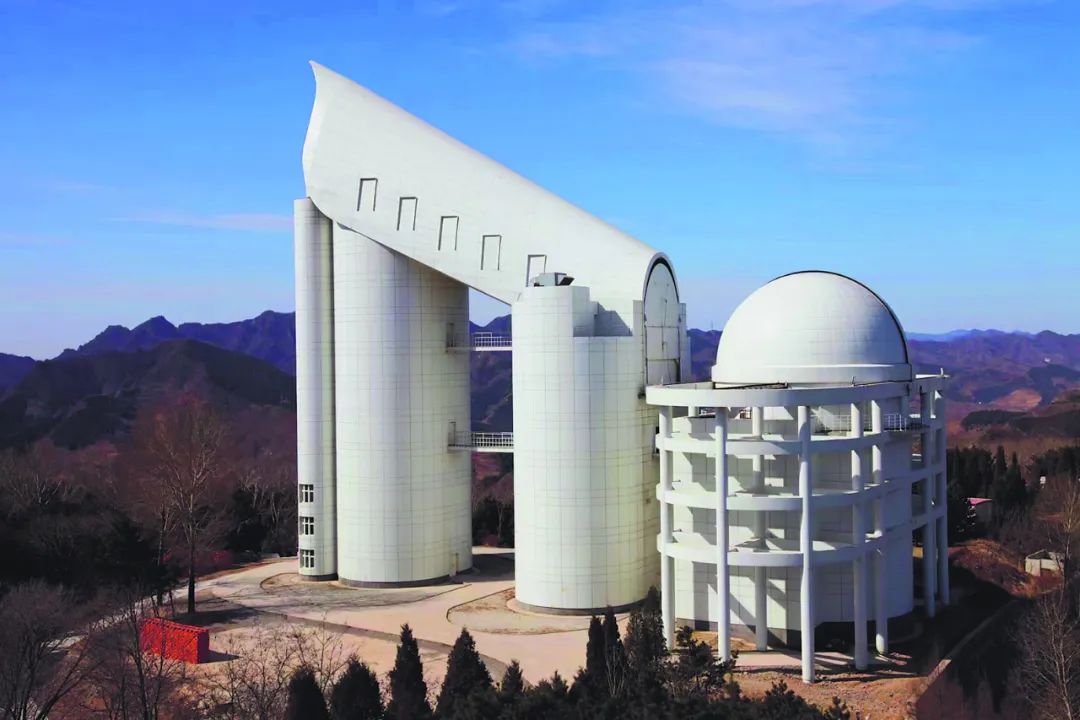
BEIJING - "Attention! The clouds are coming!" Before 5 o'clock in an early morning of January, observation assistant Si Zhiyu called the attention of his group members when his stereo blared out an alarm indicating that clouds were blocking the view of the Large Sky Area Multi-Object Fiber Spectroscopic Telescope (LAMOST), a leading optical telescope project in China.
Under the guidance of the astronomer on duty, the observation assistants closed the dome of the telescope.
In the Xinglong Observatory of the National Astronomical Observatories, Chinese Academy of Sciences, the arrival of dawn before the sunrise means that the LAMOST will end its observations and close the dome.
The mission of the LAMOST is to study the structure of the Milky Way by observing the spectrum of stars. To successfully collect the observation data, the LAMOST only operates at night.
Si Zhiyu is a local of Xinglong county, north China's Hebei Province. As one of leaders of the observation assistant group, he has more than 10 years of observation experience.
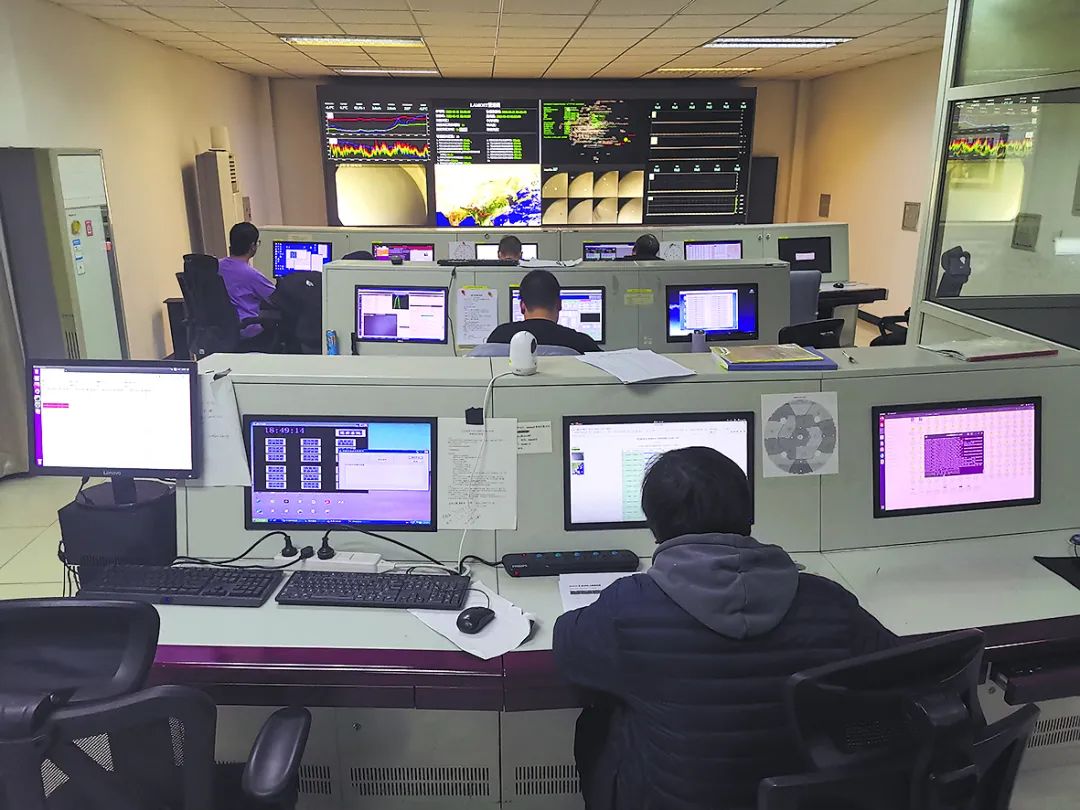
The observation assistant is the most fundamental position in telescope observation. Their responsibility is to obtain the original data of stars, and to timely discover and report any failures the telescope may experience. There are nine observation assistants in total working for the LAMOST.
Winter has the least humidity and the longest night of the year, thus it is the best season for astronomical observation. Si can only make it through the long winter nights by wrapping his warm coat tightly as the thermal radiation from any heating equipment interferes with telescope observations.
The observation assistants generally finish their work at 9 o'clock in the morning and go back to their dormitory to sleep.
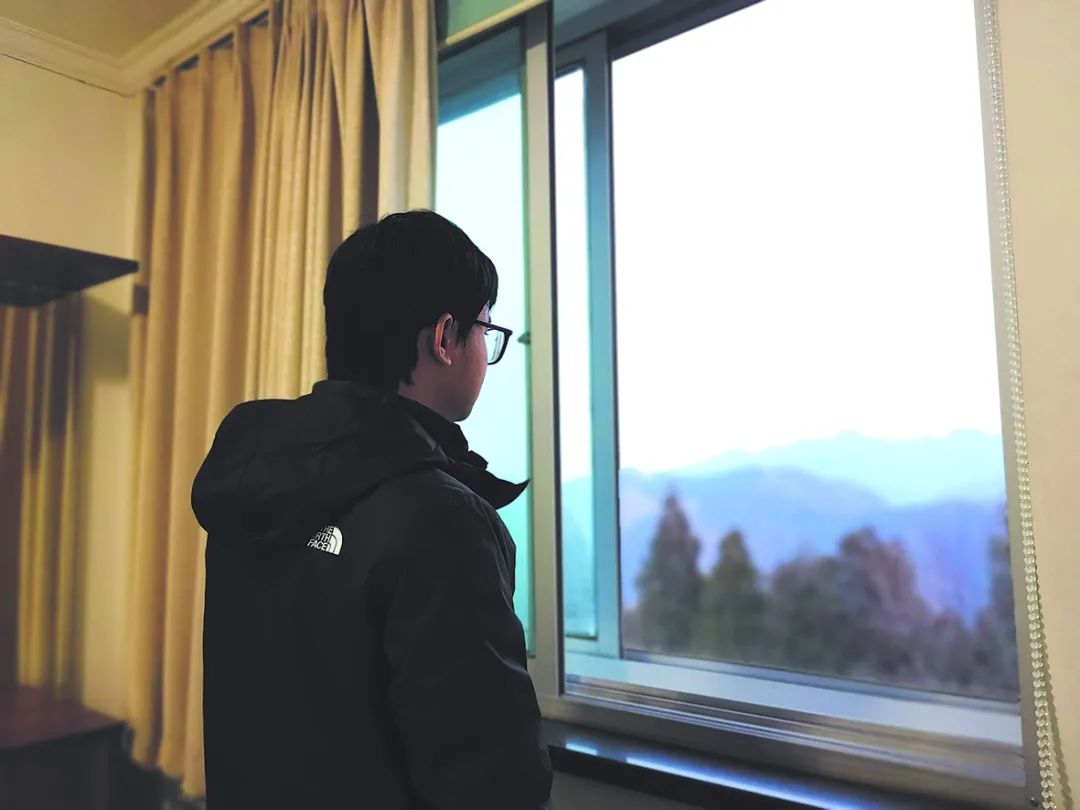
But no matter day or night, the curtains of their dormitory are seldom drawn. "Because light could leak out and affect the observation and it also affects our sleep," said Xiang Ming, another observation assistant.
They get up at 2 o'clock in the afternoon and finish the preparation work for the telescope's observation within one hour.
"A part of the observation assistants' job is to wait for the appropriate weather condition," said Zhao Yongheng, executive deputy director of the LAMOST's operation and development center.
From September 2021 to June 2022, the LAMOST observation time was about 1,462 hours in practice, only half of the theoretical observation time, according to Zhao. The time lost was due to weather conditions.
The daily work of the observation assistants may be quiet and routine, but undoubtedly necessary and valuable. The LAMOST has seen its global scientific influence grow over the past decade after going into operation.
It produced the world's largest databank of stellar spectra, serving as a starry "dictionary" that global astronomers can refer to when starting a cosmic investigation.
The LAMOST survey, capable of taking 4,000 spectra in a single exposure, has released spectra for more than 10 million stars, approximately 220,000 galaxies, and some 71,000 quasars, twice as large as the spectra obtained from other ground-based sky survey telescopes put together.
The LAMOST has helped scientists achieve unexpected findings and made significant contributions to global astronomic research. There were reports saying that it will move from Hebei Province to Qinghai Province in the northwest for better performance and clearer astronomical observations.
But the observation assistants will stay with the telescope, since their work is crucial to keeping it running smoothly.




- 10 dead and 84 injured in explosion at steel plant
- China unveils flexible urban planning rules to improve lives, foster new industries
- Ex–China Construction Bank executive gets 18 years for bribery, loan violations
- First batch of eco-friendly pioneer zones for construction of beautiful countryside unveiled
- Woodpeckers, finches captured in Jilin winter scenes
- Mainland reiterates 1992 Consensus as foundation for resuming cross-Strait dialogue