Doctor's orders: Tourism is good medicine for the elderly







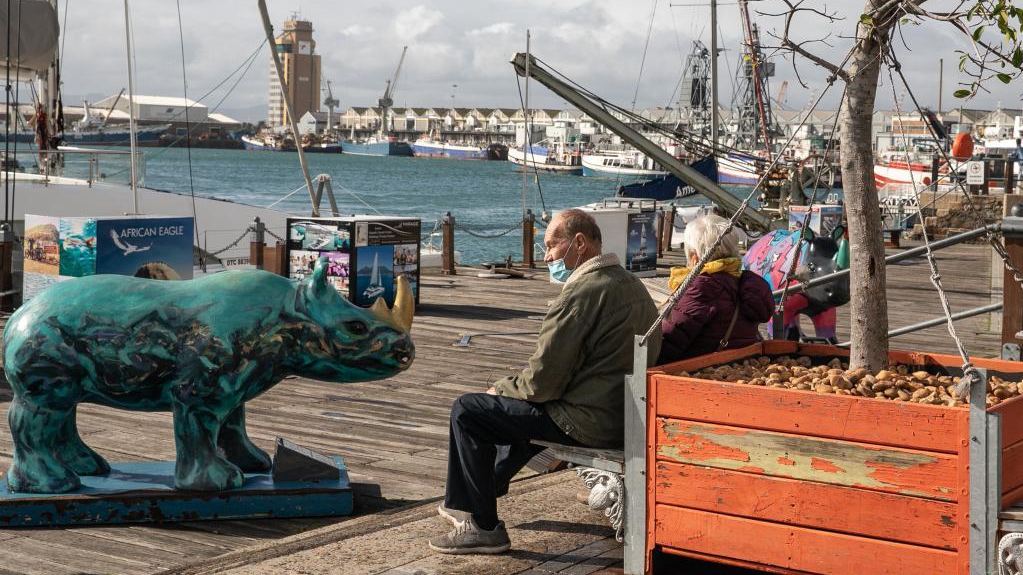
From an early age, tourism has become an enriching part of our lives. It does not take long before children begin to appreciate an upcoming summer trip to see new places, eat new foods, and meet new people. This excitement for travel and exploration continues on into adulthood.
Tourism promotes good feelings – excitement and optimism during the planning stages of travel, relaxation and satisfaction – inspiring you to recall outstanding memories that bring happiness, personal growth, and life meaning. Experts describe it as good feelings – "positive psychology" – that makes life worth living. Nowadays, many people are focusing on their mental health to promote a positive psychology that benefits our global society.
Additionally, tourism makes a significant impact on the global economy. And until the COVID-19 pandemic disrupted travel in 2020, tourism was one of the top global industries witnessing continued growth. The tourism industry accounts for 10.3 percent of global GDP ($9.6 trillion), boosting employment opportunities (one in four of all new jobs created worldwide) and economies of tourist destinations.
Travel bans were instigated at the beginning of the pandemic. These restrictions were necessary for overall global health; however they have taken a tremendous toll not only on the communities whose economies rely on tourism, but also on society's mental health and well-being. The tourism industry is in a transitional period of transition, while seeking unique ways to provide safe travel opportunities for the people to feel normal again as they hope to explore the world in a post-pandemic era.
Yet, tourism should not only focus on young travelers. According to the United Nations, the proportion of the world's population stands at over age 65 years, which accounts for an estimated nine percent and that figure is predicted to double in the coming decades.
Along with aging comes a myriad of associated health problems, including (but not limited to) dementia. Dementia refers to a progressive disease characterized by the decline of cognitive functions and one of the most common reasons for dependency among older adults. It presents a substantial burden on the healthcare system and a source of heartache for families.
Typical treatment plans include a combination of medicines and non-medicine treatments to support the patients affected by this disease. Some of the known non-medicine interventions for dementia include enhancing the patient's environment, music therapy, cognitive stimulation, exercise, sensory stimulation, and reminiscence therapy.
Considering the multiple benefits of tourism for typical travelers, why not explore how tourism's positive psychology benefits can carry-over to our aging population, as well as the vulnerable dementia patients? Think about all that's involved in the common tourism experiences. No matter where you choose to go, involving tourists living with dementia in the planning process would increase cognitive stimulation and getting them excited about their travel experiences.
A trip to a state park creates a variety of opportunities for sensory and cognitive stimulation, exercise, and enhancing the environment of tourists living with dementia. A beach trip offers all those benefits, plus there is often music playing on the boardwalk. Travel to a museum offers them cognitive and sensory stimulation, exercise, and occasionally background music. Following the travel experiences, caregivers and tourists living with dementia can reflect on the outing, resulting as a form of reminiscence therapy.
There is much promise in this unconventional line of thinking to address a substantial global health issue. More information is required to provide concrete information to advise caregivers of people living with dementia in how to incorporate tourism experiences into treatment plans, and this can be achieved through scholarly collaborations across various specialties. Medical experts can work with tourism scholars to determine the best candidates to participate in tourism treatments for dementia.
There could be cases where tourism treatments are not appropriate, such as for those with extremely limited mobility or substantial cognitive decline. Tourism promoters should consult with medical experts to identify accommodations that would increase accessibility for vulnerable travelers and their caregivers, since this population is becoming a more substantial market segment. Marketing specialists should get more involved to promote tourism destinations that are considered vulnerable-friendly.
There have been shifts in our modern society's priorities and needs. This has become more evident through the stages of the pandemic. Thanks to advances in medical knowledge, people are living longer and our population is aging at higher levels. We should ensure fulfilling life experiences for our aging family members. One industry that provides services and experiences to benefit the young and old alike is the tourism industry.
Tourism experiences can be tailored fit to the specific needs and allow for the benefits of travel to be enjoyed not only by typical tourists, but those who might be classified as "vulnerable" as well. We are excited about the amazing potential for tourism to serve as "medicine" for the elderly.
Dr. Wen Jun is a lecturer in Tourism and Service Marketing at the School of Business and Law, Edith Cowan University (ECU), Australia. He is an award-winning early career researcher, and was named among the Top 40 of Australia's early achievers (Rising Stars) in 2020 and 2021.