There is no point in teaching our children about politics while it is ruled by social media







A study found that online abuse of public figures has become so commonplace that many think that celebrities should be able to handle this abuse without complaint. Politicians have long had to suffer rigorous accountability from constituents. But, social media has caused the guise of accountability to mutate into an abusive free-for-all. The new generation of children is the first one born into this social-media era. Social media dictates the hows and whys of what our young people think.
It's all well and good saying we're allowing this to happen, but we're all products of our environment. No one will want to go into a lion's den that is being a politician when they know what they're letting themselves in for.
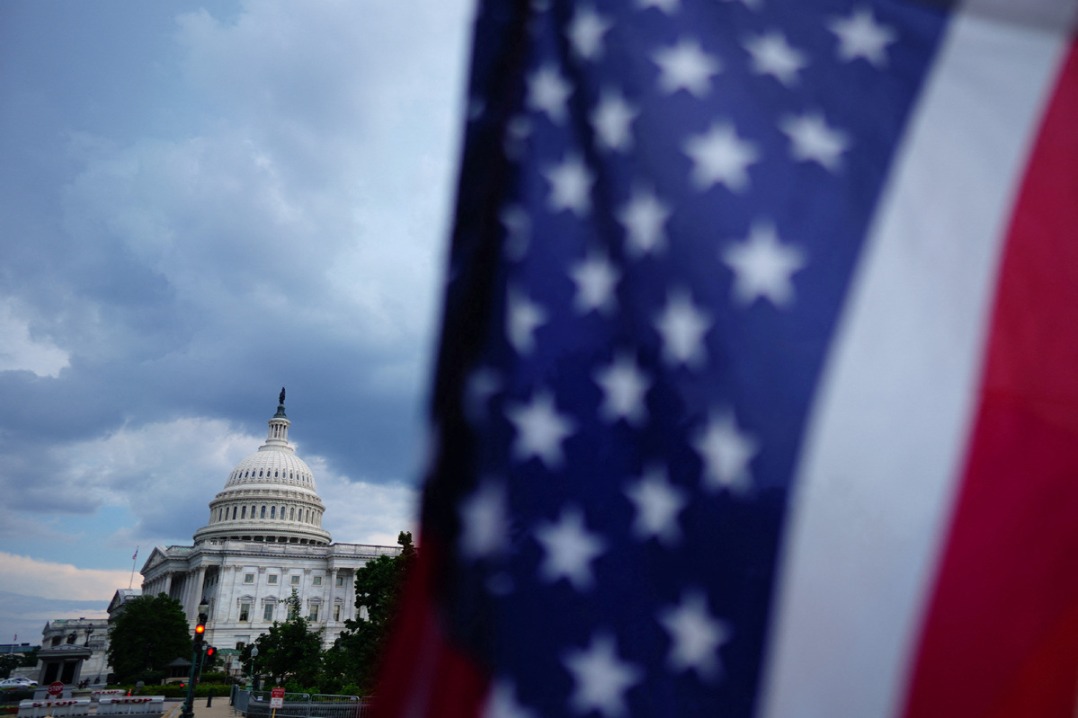
The online abuse, overzealous background checks, and anger-amplifying algorithms that social media is fostering are making the political sphere increasingly unappealing to young people. Political apathy is higher than ever, and we should not be surprised. Social media's power over today's politics means that teaching our children about politics is becoming increasingly futile; preparing students for a life in politics seems more like punishment than foresight apart from for those who always had protection in society.
Social media's means of influence over the political sphere is frighteningly pervasive. The most blatant of these is the online abuse of politicians. The UK's recently proposed Online Safety Bill attempts to reduce cyberbullying and aims to clamp down on the "legal but harmful" content allowed on these sites. Similarly, "David's Law," named after David Amess, a British Member of Parliament, who was sadly murdered last year, seeks to boost protection against online abuse.
These are undoubtedly positive steps in the right direction. However, as many have highlighted, in the UK, there is still no legal obligation for tech companies to act on Office of Communications' guidance. There are fears that it will prove ineffectual. In the lead-up to the 2019 election, a worryingly high number of UK MPs said that they would not stand for re-election because of the abuse they had suffered.
I cannot see how our younger generations can look at the current state of the political sphere and feel compelled to be involved. Of course, there will always be the Etonian contingent purpose-built for office. But what about young people in minority groups, for example? According to Amnesty International, black and Asian women MPs in Westminster receive 35 percent more abusive tweets than their white colleagues. This will undoubtedly deter more young people from minority communities from entering politics, only exacerbating Parliament's diversity problem.
The most insidious aspect of this is that the fault does not lie solely with the trolls themselves. Social media companies such as Facebook have been accused of designing their platforms to invoke anger, conflict, and anxiety. These emotional responses make us more likely to react to content and play on user insecurities to make them more prone to buying products through their ads. Divisive content is therefore amplified, with European political parties supposedly even running more negative campaigns because these are favored by Facebook's system.
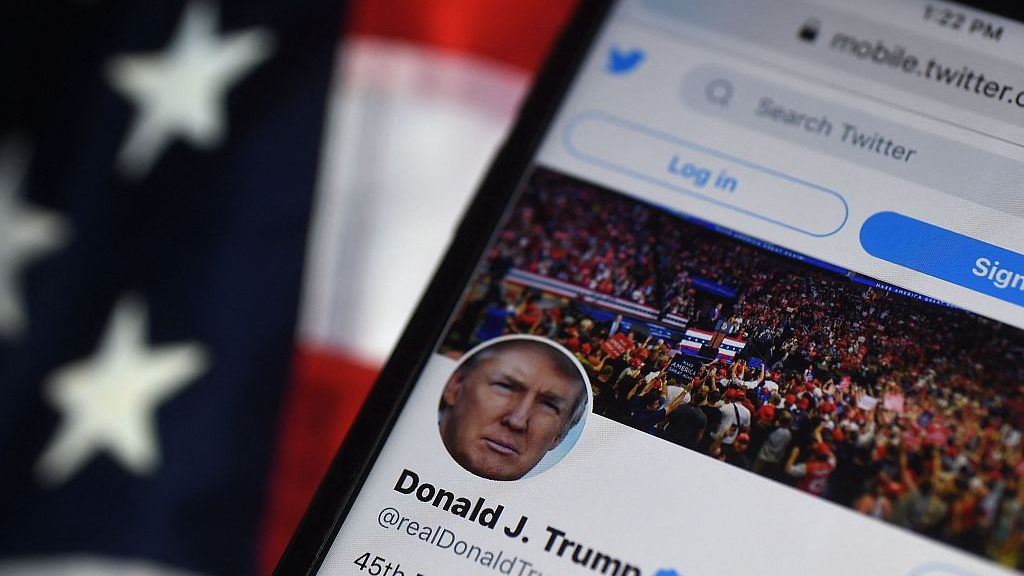
We need only look to Twitter's arch-frenemy, Donald Trump, as the embodiment of this phenomenon. The bite-sized policy ideas and bizarre attacks that he launched on the platform - and the way these were amplified - epitomize the political division on these sites.
Although, what I find equally as troubling is the way that Twitter managed to transform Trump: he went from being a highly successful celebrity that was renowned for not caring what people thought into being a reactive narcissist that would get inexplicably riled about the slightest things. If Twitter can bring this insecurity and paranoia out of Trump, then just think about what it can do to an average social media user.
Being a politician on social media is not like entering a lion's den - at least a lion circles you for a while until it decides it's hungry. Instead, this situation is more akin to being plunged into a piranha-infested tank, where the fish feast without satiation. The algorithms are ensuring that they're always hungry.
One of the biggest reasons for young people's mistrust of politics is the fact that voters believe news media hold power over governmental decisions. Indeed, in 2018, about two-thirds of American adults at least occasionally received news from social media, according to Pew Research Center. Even the most admirable moral compass is susceptible to the power offered by social media.
There currently seem to be two options for politicians: either they have to play the social media game and produce social-media-friendly content, which leads to shallow and superficial messaging; or they refuse to try and appease social media users and instead put their authentic voices out there, but then risk abuse from trolls.
What point is there in educating our children about politics when the arena that it's held in is always enslaved to non-democratic ideals that no one is accountable for? For all the talk of conspiracy theories and shadow groups, now you actually have an unknowable, untestable, unpredictable set of algorithms that never have your best interest at heart as your ultimate puppet-master.
Leon Hady is a former headteacher, and founder of Guide Education, which has trained thousands of teachers.