Breaking the chains
Technology is now a key arena for competition between China and the US








After World War II, the United States became the global leader in science and technology, with its strengths rooted in a system of federal laboratories, the integration of the military and civilian sectors, joint investment and R&D by the US government and the private sector and the close integration of technological R&D and its application in the market.
After the Cold War ended in 1991, the US envisaged a global industrial structure where global labor-intensive industries would be transferred to developing countries such as China and India, while capital-intensive and technology-intensive industries would be controlled by the US and its allies. The core technologies, those at the top of the global industrial structure, were to be kept firmly under the control of the US. This is the fundamental reason why the US ruthlessly suppressed the Japanese electronics industry in the 1980s and the French nuclear sector in the 2000s.
However, the industrial structure in reality has diverged completely from what the US envisioned. China has moved up from the labor-intensive industry at the lower end of the global value chain to the technology-intensive industry at the higher end. In the global industrial structure, there are Chinese companies in every sector, which is probably a fundamental reason for the huge reversal in Sino-US relations. For instance, a comparison can be drawn between the trade structure of China and that of the US.In 2019, the top three products that China exports to the US were mechanical and electric products, cellphones and textiles. The top three US exports to China were airliners, soybeans and semiconductors. If China continues to make solid progress in the high-tech sectors, especially in technology-intensive fields such as aero-engines, semiconductors and many other industrial fields, Chinese companies may gradually become dominant in them. The nation may have the possibility to become a leader in global technology-intensive industries.
China and the US have entered a new era of competing in new areas. High-tech companies are the new players, and are in the forefront of such competition between the two countries. Representing a country's technology-intensive industries, high-tech companies are endowed with research and development functions as well as broad market potential. According to statistics from Fortune Global in 2020, China has overtaken the US to become the country with the largest number of Fortune Global 500 companies, namely 124 of the world's top 500 companies are in China, while the number in the US is 123. The number of unicorn companies, which represent the direction of future technological innovation, is another important indicator of their competition. According to a report compiled by the Hurun Research Institute in 2020, of the 586 unicorn companies in the world, 223 were in the US and 227 were in China. China has even surpassed the US in some sectors, such as artificial intelligence, 5G and ultra-high-voltage power grids.
The global industrial landscape under the background of Sino-US cooperation and competition is changing.
The stage has been set for new areas of competition between China and the US. For example, China has gradually become a leader in the global response to climate change with the development of its technologies. The Chinese government has begun to shut down thermal power plants with outdated technology or that fail to meet environmental protection requirements on a step-by-step basis, and pledged to put an end to building coal-fired power plants overseas. China has made great strides in the development of new-energy technologies and industries, such as hydropower, photovoltaics and nuclear power. Chinese standards have gradually become a key indicator for global carbon emissions. On Sept 22,2021, a thorium-fueled nuclear plant began its test run in Wuwei, Gansu province. If the test run is successful, China will become the first country in the world to have commercialized fourth-generation nuclear power technology. China's latest five-year plan on clean energy and electricity lays out an ambitious future for the development of UHV power grids. These blueprints are based on the construction of clean energy in western China, an area that has been called the "battery" that will power the nation.
Long-term planning and steady implementation is China's institutional strength. Judging by China's 14th Five-Year Plan (2021-25) and Long-Range Objectives Through 2035 and the construction of new infrastructure globally right now, China will become the first country in the world with a fully digitalized industry chain. China has begun to see a comparative advantage in terms of market application and industrial structure as the nation engages in competition with the US in new areas.
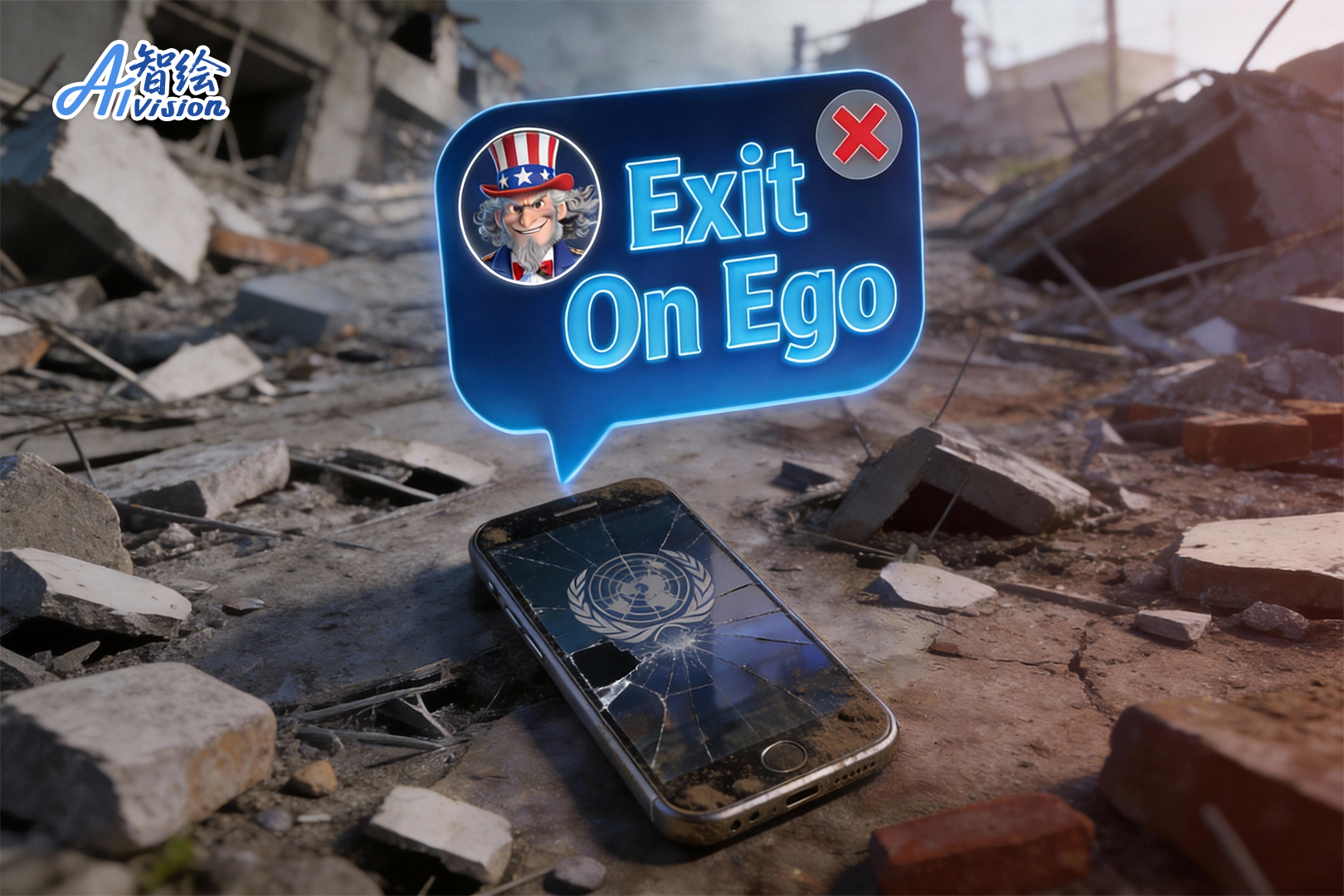
As China and the US compete in new areas, the US will likely seek to prevent China's industrial upgrading by using technology blockades, patent restrictions and imposing restrictions on market access to target Chinese enterprises. These methods, also known as technological decoupling, have become a strategic choice for the US to restrict and slow down China's growth. The best way to counter such decoupling attempts is for China to become capable of influencing international markets.
China should establish an independent system for technological research and development and a system of industries that are within its own control. That does not mean that China should decouple from the world. Instead, the nation should make parallel efforts to adhere to an open development path and further embrace global industrial development and establish a strong independent industrial system. In this way, China will become the backbone maintaining the stability, security and development of global industries.
The author is an associate professor at the School of International Studies at Peking University.