



Leading the way to green development







During the last few decades, the Chinese people's well-being and quality of life have significantly improved on the back of rapid economic growth. However, before higher-quality green development found its way into national policies that success came at a high cost to the environment.
China has urbanized and industrialized at an extraordinary pace and scale to become a commendable development success story. In February 2021, the Chinese government officially announced that absolute poverty had been eradicated by the end of 2020.
Recognizing the environmental challenges, including pollution to air, water and soil, China has over the past decade pivoted and is prioritizing greener, more environmentally sustainable development. Now heeding the government's call for a "green recovery" from the novel coronavirus pandemic, the country is pursuing an integrated approach that protects the environment, transforms its rural economies, and greens its cities, all while actively adapting and mitigating the effects of climate change.
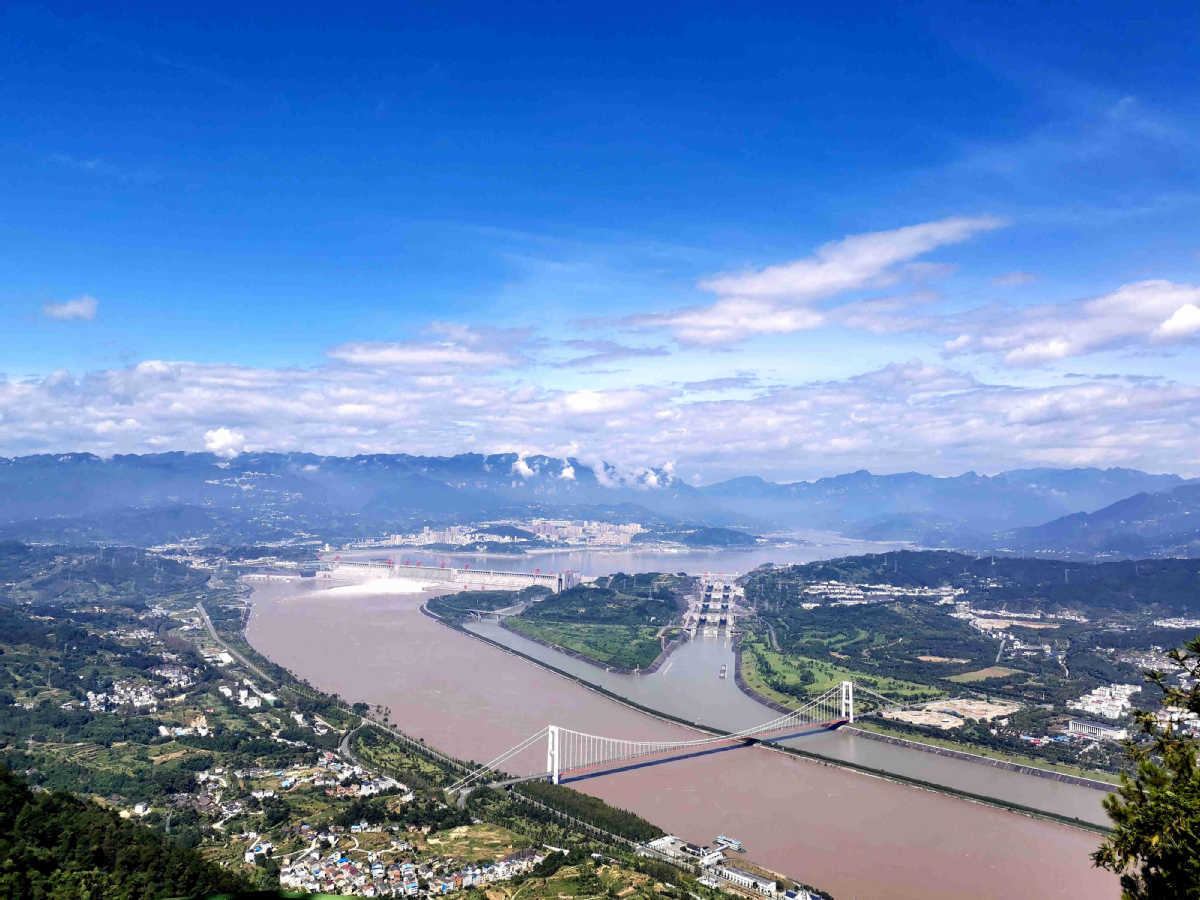
One example of such an integrated approach is the Yangtze River Economic Belt, a basin management effort that replaces "big development with big protection". Launched in 2016, it introduced the geographic concept of a "belt" that encompasses economic, social and ecological linkages around the Yangtze River. The plan's centrepiece balances socioeconomic growth and environmental sustainability, with the intent of restoring and safeguarding the Yangtze River's ecosystems.
The Yangtze River Economic Belt is just one example. Across China, other green development projects have been activated over the last decade. A key example is the Yellow River Ecological Corridor, with a geographic focus in the country's second-largest river basin. Basin-wide approaches such as those being put forward for the Yangtze and the Yellow rivers can distil useful lessons for wider application.
First, strengthening institutional capacity, collaboration and coordination is a prerequisite for success across projects. Governments must develop the capacity to formulate and implement innovative policies and instruments. Local and regional governments must foster collaboration, both vertically and horizontally.
Second, governments must actively engage with a wide set of stakeholders early on and continuously throughout a project to foster acceptance, mitigate concerns and monitor social and environmental progress. Systemic planning may also include leveraging green development as an opportunity for education and training in rural areas to create the scope to improve livelihoods that benefit the economy, society and nature.
Third, providing adequate, flexible, and long-term financing is necessary. Many green development projects require support for several years before they reach maturity and can gain profits off the natural capital that has been (re-) built. Developing tailored financing approaches is key to unlocking and scaling up investments in green development projects. And since projects in rural areas can be particularly difficult to finance, agriculture and forestry restoration activities, from a financial sustainability perspective, should be part of carbon credit markets to provide incentives for conservation practices.
Embracing high-quality green development will mark a shift from mere economic growth to sustainability-oriented development that focuses on improving people's lives and livelihoods within healthy environments.
Sharing China's progress in greening development can spread and deepen awareness and knowledge about the challenges, innovations and best practices in pursuing a more environmentally sustainable future. Lessons learned are important not only for China, but also for other developing countries pursuing greener development pathways in Asia and the Pacific.
The 15th Conference of the Parties to the UN Convention on Biological Diversity (COP 15) held in Kunming in October took a step toward reaching a global deal for nature-known as the post-2020 global biodiversity framework. The People's Republic of China, as host nation, is ushering the convention forward as a road map for biodiversity conservation for the coming decade and beyond.
So more broadly, the greening-of-development approach offers opportunities for global learning and knowledge sharing that can help the global community reach its goals coming out of COP 15. This can set the scene for a future that banks upon global green development, while protecting biodiversity and safeguarding its ecosystems and people.
The author is director general of the East Asia Department at the Asian Development Bank, Manila.
The views don't necessarily reflect those of China Daily.
If you have a specific expertise, or would like to share your thought about our stories, then send us your writings at opinion@chinadaily.com.cn, and comment@chinadaily.com.cn.





