



As inflation, government spending rise in US, so do political divisions







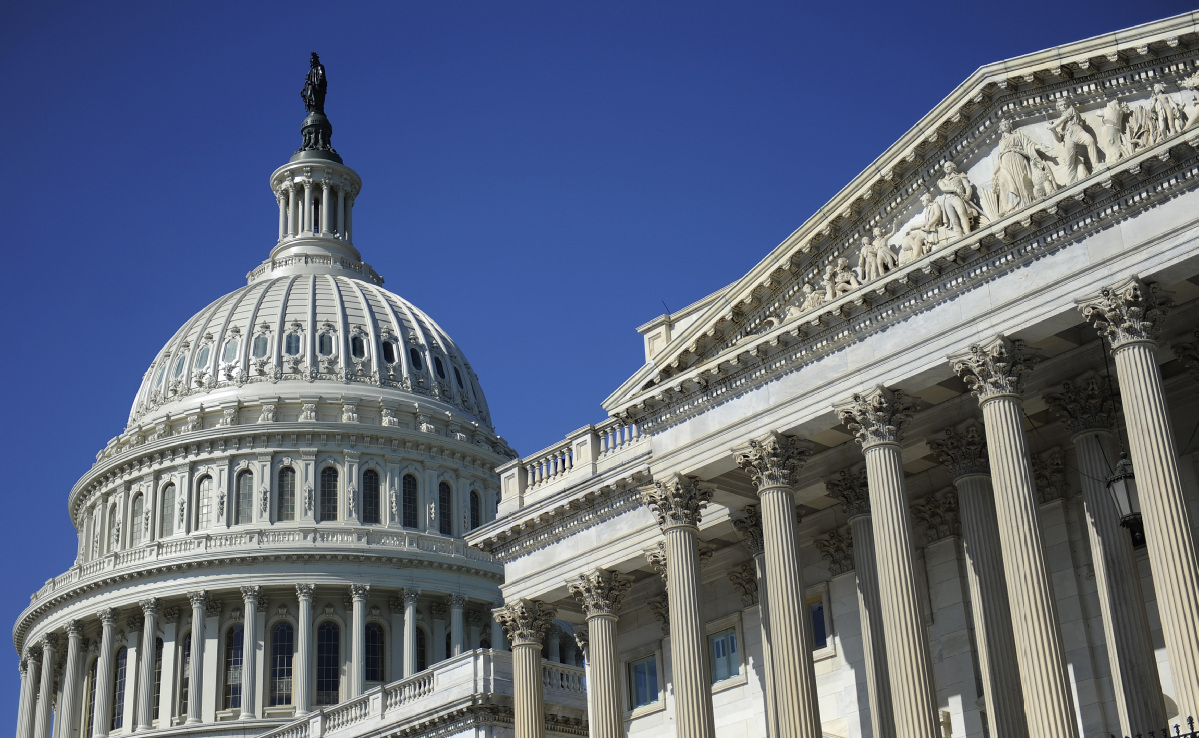
With inflation not proving "transitory" so far, and with trillions of dollars of federal spending in the pipeline, questions are being raised about the impact on the United States' and global economies.
Asked what the result of such a mix would be, Robert Dekle, a professor of economics at the University of Southern California, replied: "What would happen? Weaker dollar, lower demand for US bonds, danger to US dollar status as a reserve currency. The US needs to return to fiscal and monetary normalcy ASAP."
US consumer prices were up 5.4 percent year-on-year in July, as they were in June, the highest 12-month level since 2008, the Labor Department reported Wednesday. Pent-up demand from the pandemic and government stimulus spending are factors in consumer demand.
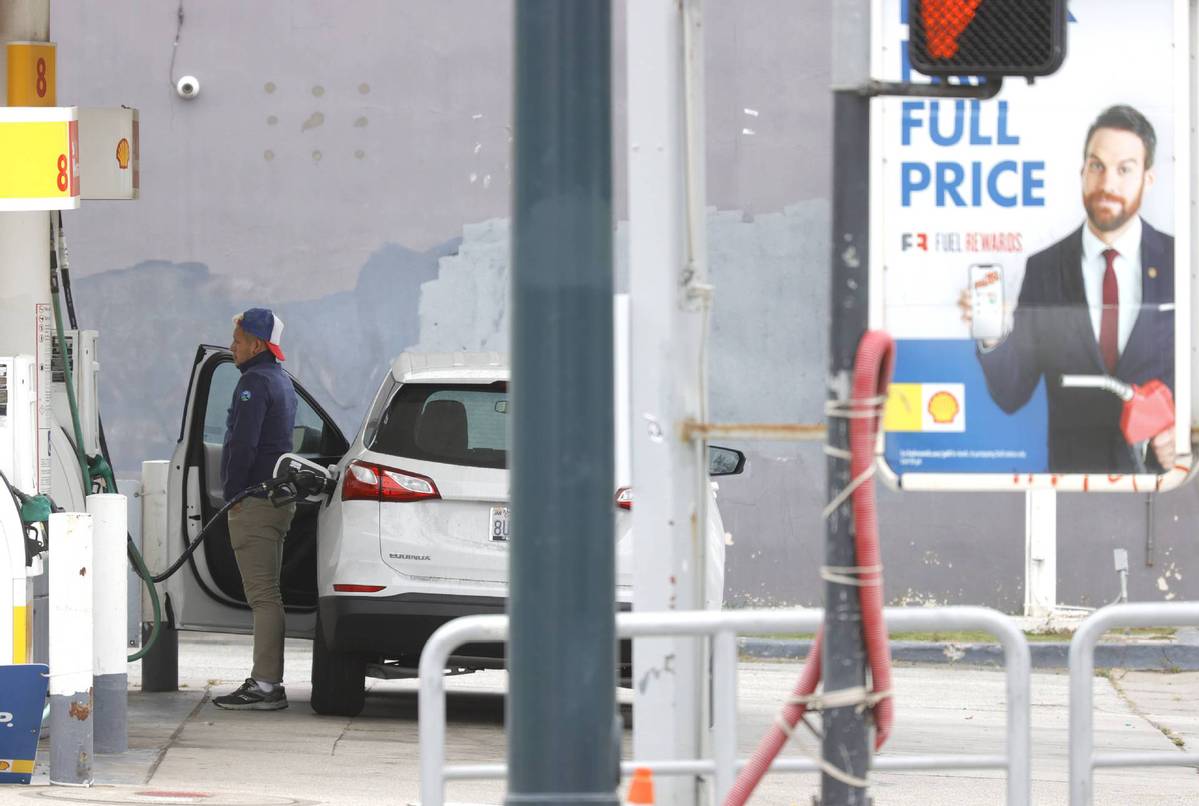
Americans are facing rising gasoline prices, up nearly $1 a gallon over a year ago.
Gasoline prices increased 2.4 percent in July from June and have been rising since early November to levels not seen since 2014, with a national average of $3.14 per gallon, according to gasbuddy.com.
The Biden administration asked the Organization of Petroleum Exporting Countries on Wednesday to increase oil production.
That action sparked criticism from proponents of an extension of the Keystone XL oil pipeline in the US, work on which President Joe Biden halted on his first day in office.
"You'd think the first place you would go would be American producers, rather than OPEC, which literally held this country hostage for decades because they were our top supplier," American Petroleum Institute President Mike Sommers told CNN Business.
The overall consumer price index from June to July dropped slightly, from 0.9 percent to 0.5 percent.
"It's like the equivalent of going from a 104-degree to a 101-degree fever-it's still elevated," Aneta Markowska, chief financial economist at Jefferies LLC, told The Wall Street Journal.
The producer price index increased 1 percent in July, the US Bureau of Labor Statistics reported on Thursday. The index has risen 7.8 percent since July 2020, the largest advance since the index began in November 2010.
After its July 28 meeting, the Federal Reserve released a statement explaining why it would keep interests rates near zero, saying, "Inflation has risen, largely reflecting transitory factors."
Congress also has not raised the "debt ceiling", which caps federal spending, and Republicans are not expected to vote to do so for a Democratic-led spending plan.
However, Gary Hufbauer, a senior fellow and trade expert at the Peterson Institute for International Economics, told China Daily: "The debt ceiling is an anachronism: It should be discarded or lifted. Once expenditures are voted by Congress, without taxes to match, US Treasury debt will inevitably rise."
He said the debt ceiling gives "politicians from the opposite party to the White House an opportunity to make speeches. Not raising the ceiling will lead to a government shutdown and disturb the financial markets, not good outcomes."
Senate Majority Leader Chuck Schumer said on Wednesday: "I cannot believe the Republicans will let the country default. It has always been bipartisan to deal with the debt ceiling."
During the presidency of Donald Trump, Schumer said that Democrats cooperated with Republicans to raise the debt ceiling three times as the national debt rose from less than $20 trillion to more than $27 trillion.
Forty-six Republican senators, however, said in a letter on Tuesday that they would "not vote to increase the debt ceiling and called Democrats' spending "out of control".
The debt ceiling has become an issue again as Congress has pumped trillions of dollars into the economy because of the COVID-19 pandemic. This was followed by the Senate's approval on Wednesday of a resolution to write a $3.5 trillion budget plan that could be passed without Republican votes. A final vote is expected in the fall.
"The Democratic budget will bring a generational transformation to how our economy works for average Americans," Schumer said after the vote.
But Senate Minority Leader Mitch McConnell said, "This reckless taxing-and-spending spree is like nothing we've seen."
On Tuesday, the Senate passed a separate $1.2 trillion infrastructure bill-which funds traditional projects such as roads and bridges.
Schumer and House Speaker Nancy Pelosi have told their committee chairs to draft reconciliation legislation on the larger proposal by Sept 15, with a goal of passing both bills by late September or early October.
However, partisan politics on both sides of the aisle suggest passage is uncertain.
Nine moderate Democrats told Pelosi on Friday that they won't vote for the $3.5 trillion budget until the House passes the infrastructure bill.
With the Democrats' slim majority in the House, Pelosi can lose only three votes on any legislation. Moderate and liberal Democrats have enough votes to derail either proposal, and both sides have threatened to do so.
Pelosi also said she would not bring the infrastructure bill up for a vote until the Senate passes the larger bill.
"If there is not a reconciliation bill in the House, and if the Senate does not pass a reconciliation bill, we will uphold our end of the bargain and not pass the bipartisan bill until we get all of these investments in," Representative Alexandria Ocasio-Cortez, a New York Democrat and a leading progressive voice, said on CNN's State of the Union.
In the Senate, Schumer faces hesitancy from moderate Democrats Joe Manchin of West Virginia and Kyrsten Sinema of Arizona.
Manchin said Wednesday that he feared "grave consequences" for inflation and the federal budget deficit. He said that the inflation rate and the millions of unfilled jobs in the US "are not indications of an economy that requires trillions in additional spending".










