



Over-prescription of medicines the bane of medical system







Editor's Note: From "bare-foot doctors" to the most expansive and effective medical insurance system, China has made remarkable achievements in the healthcare sector. In the third of a series of commentaries, a senior journalist with China Daily traces the eventful journey of China's healthcare achievements.
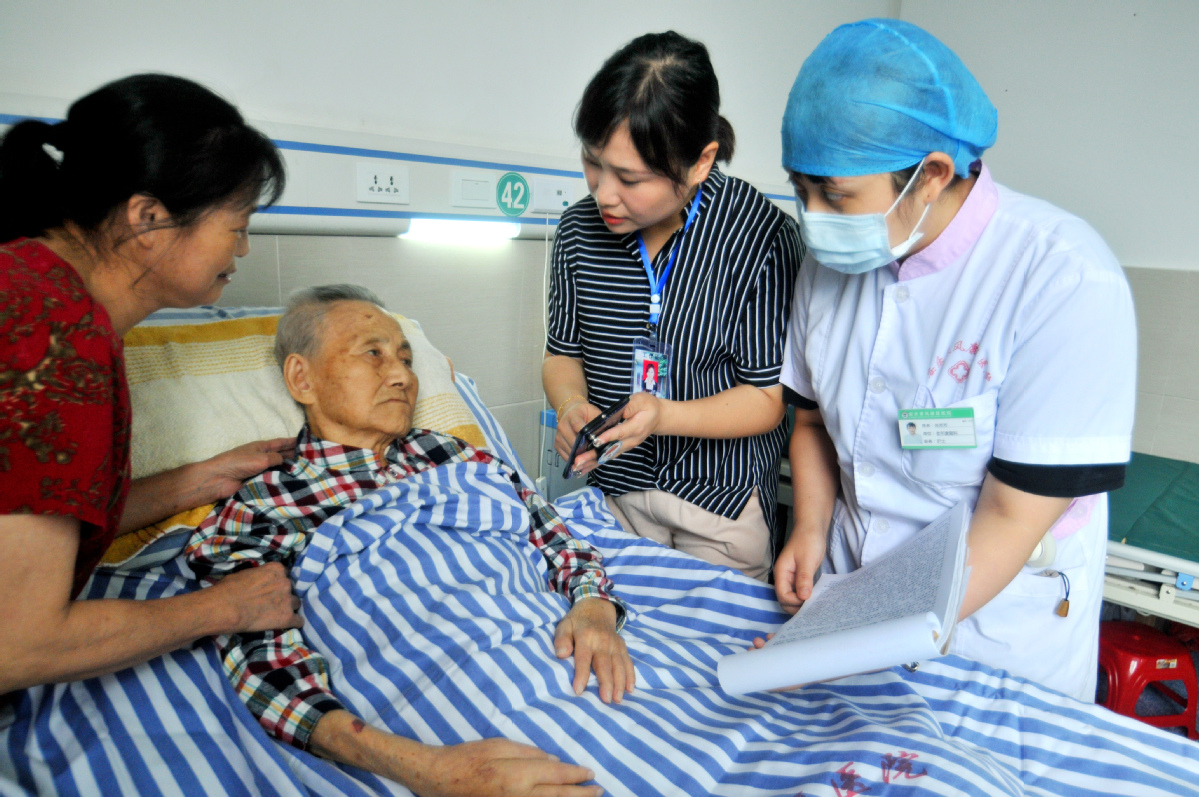
Despite 1.35 billion Chinese citizens being covered by medical insurance of different kinds, complaints about the shortcomings of the healthcare system have not stopped. China has nearly 1 million medical institutions that most people, no matter which part of the country they are in, can reach within 15 minutes from their home. But the majority of them are basic-level clinics that can deal with only mild diseases. And since only a little more than 30,000 hospitals provide in-patient services, patients, in some cases, have to travel long distances, mostly to cities, to seek treatment for serious diseases.
Perhaps the number of hospitals is low due to insufficient investment in the medical sector. China is home to about 20 percent of the world population but its healthcare investment is only 2 percent of the global total. The good news is that China's investment in healthcare has been increasing by double digits over the past decades, mainly to build more hospitals, purchase more medical equipment and increase health workers' salaries. The healthcare investment is expected to increase further.
The unbalanced distribution of medical resources is another challenge faced by the medical sector. The top hospitals are mostly located in metropolises such as Beijing, Shanghai and other first-tier cities, while many county and township hospitals in the western region face problems due to outdated facilities, and unqualified and/or inexperienced medical staff.
But the central and local governments are taking measures to improve the situation. For example, fresh investments are aimed mainly at upgrading the grassroots medical institutions, encourage good hospitals to open branches in the western region and ensure more qualified doctors work in rural areas on a rotation basis. While providing proper treatment for patients, these doctors are also giving on-the-spot training to local healthcare workers so they can work more efficiently.
Although about 800 million people in rural areas have joined the New Rural Cooperative Medical Insurance program, only a small percentage of their medical expenses can be reimbursed due to shortage of funds. People taking rural insurance pay about 200 yuan ($30.72) each year as premium while the government pays about 500 yuan. But even the combined total of 700 yuan is far less than the sum paid by employers and employees-8 percent of an employee's income-as premium in urban areas.
As a result, when a rural resident is diagnosed with a serious disease, the percentage of the medical cost he or she has to pay is high, so high that it could force a family into penury. There have been calls to unify the rural and urban medical insurance systems to ease the medical burden of rural residents. But for that, the government will have to invest billions of yuan more in the healthcare sector, since it is unrealistic to ask rural residents to pay higher premiums, because millions of them have just been lifted out of poverty.
While it may take some time to improve the overall healthcare system, strict measures should be taken immediately to stop the waste of precious and limited medical resources. In China, doctors' income is, to a certain extent, connected to the income of their hospitals, both public and private, which prompts many of them to over-prescribe medicines and/or medical tests for patients.
Probably, many families discard some amount of Western or traditional Chinese medicines every year because they had been over-prescribed by doctors. This has given birth to a new type of illegal business-collecting medicines from patients in cities and selling them to rural clinics at a lower price.
No one knows exactly how much money and amount of medicines are involved but the widespread ads about such medicines on lampposts and walls suggest it could be a multi-billion dollar business, a business run on "money leaking out" of government and insurance company funds, and patients' pockets.
Therefore, the healthcare authorities, hospitals and insurance companies should take strict measures to stop over-prescribing of drugs. And doctors' incomes should not be connected with the amount of drugs and medical tests they prescribe.
If over-prescription of medicines is stopped, some experts assert, one-third of the medical resources can be saved. And that can help cure one of the ailments of the healthcare system.
The author is former deputy editor-in-chief of China Daily.
kangbing@chinadaily.com.cn
The opinions expressed here are those of the writer and do not necessarily represent the views of China Daily and China Daily website.
If you have a specific expertise and would like to contribute to China Daily, please contact us at opinion@chinadaily.com.cn, and comment@chinadaily.com.cn.





